Vocabulary
| word | ipa | image | definition1 | sentence1 | translation1 | audio1 | definition2 | sentence2 | translation2 | audio2 | created |
|---|---|---|---|---|---|---|---|---|---|---|---|
vain | /veɪn/ |  | adjective, having or showing an excessively high opinion of one's appearance, abilities, or worth, 虚荣的;自负的 | She is very vain about her appearance. | 她对自己的外貌非常虚荣。 | ♪ Play | adjective, producing no result; useless, 徒劳的;无益的 | They made a vain attempt to stop the fire. | 他们为扑灭大火做出了徒劳的尝试。 | ♪ Play | 2026-08-07 02:35 |
huff | /hʌf/ | 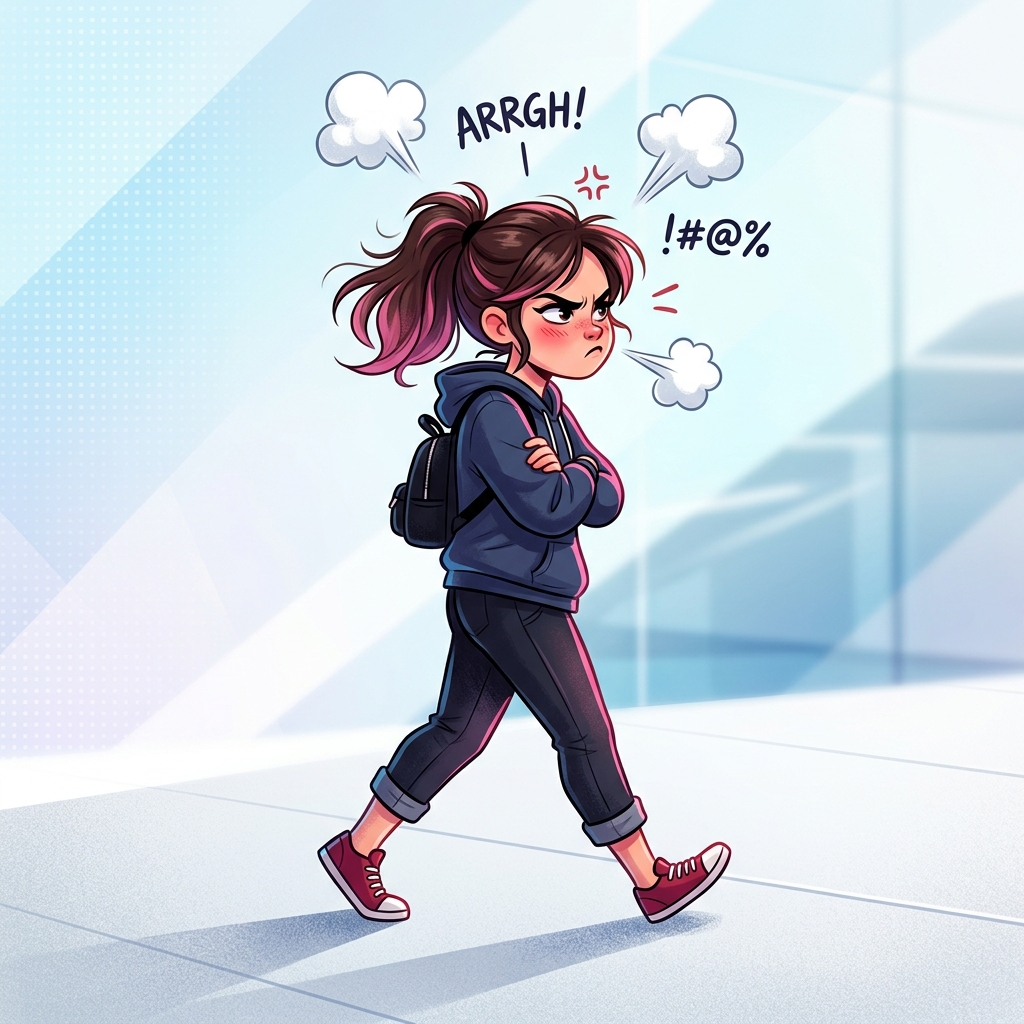 | noun, a fit of annoyance or bad temper, 怒气,生气,恼怒 | He walked out of the room in a huff after the disagreement. | 发生分歧后,他气冲冲地走出了房间。 | ♪ Play | verb, to blow or breathe heavily; puff, 喘气,吹气 | The runner was huffing and puffing after sprinting up the steep hill. | 冲上陡峭的山坡后,跑步者气喘吁吁。 | ♪ Play | 2026-08-07 02:45 |
tawdry | /ˈtɔːdri/ | 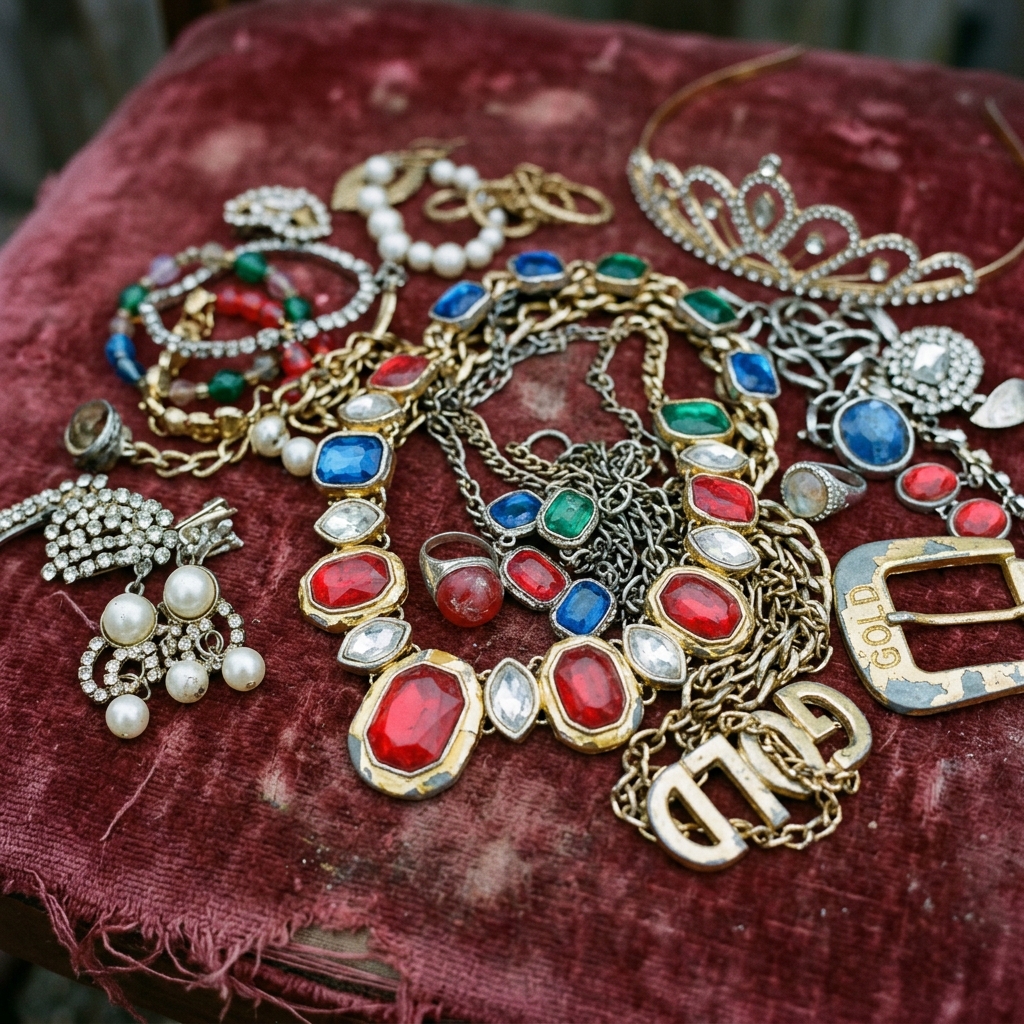 | adjective, showy but cheap and of poor quality, 俗丽的;花哨而庸俗的 | She wore a bright dress with tawdry plastic jewelry to the party. | 她穿着一件鲜艳的连衣裙,佩戴着俗气的塑料首饰去参加派对。 | ♪ Play | adjective, sordid or unpleasant; morally low, 卑劣的;下流的;不道德的 | The tabloid scandal revealed all the tawdry details of his secret life. | 小报丑闻揭露了他秘密生活中所有卑劣的细节。 | ♪ Play | 2026-08-07 02:52 |
sap | /sæp/ | 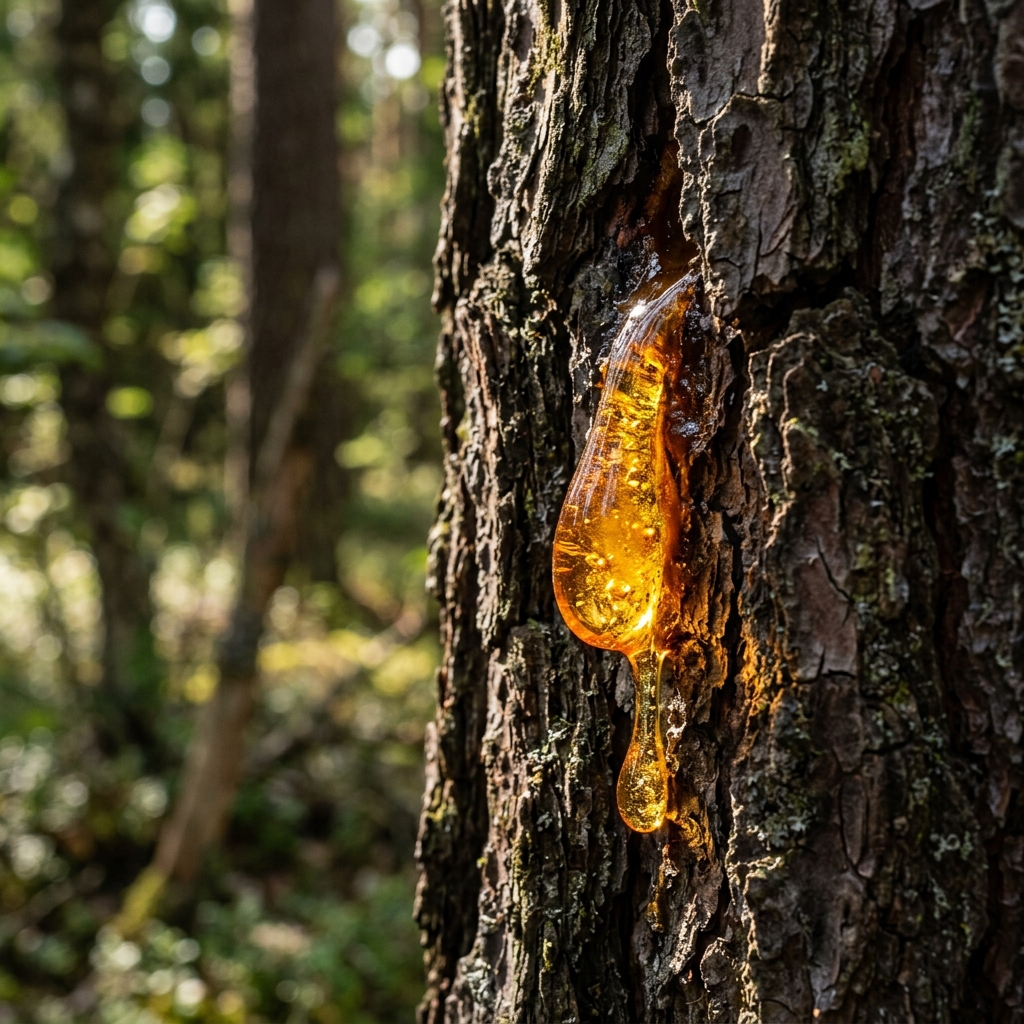 | noun, the fluid which circulates in the vascular system of a plant, 树液;植物汁液 | Maple sap is collected in early spring to make syrup. | 早春时节收集枫树汁来制作糖浆。 | ♪ Play | verb, gradually weaken or destroy (someone's strength or power), 削弱;消耗(体力或精力) | The long hot walk sapped all her energy. | 漫长而炎热的步行消耗了她的全部精力。 | ♪ Play | 2026-08-07 02:57 |
steadfast | /ˈsted.fæst/ |  | adjective, resolutely or dutifully firm and unwavering, 坚定的;不动摇的 | He remained steadfast in his commitment to the team. | 他对团队的承诺依然坚定不移。 | ♪ Play | adjective, loyal and constant, 忠诚的;忠实的 | She has been a steadfast friend throughout all these years. | 这些年来,她一直是一位忠实的朋友。 | ♪ Play | 2026-08-07 03:12 |
hone | /hoʊn/ | 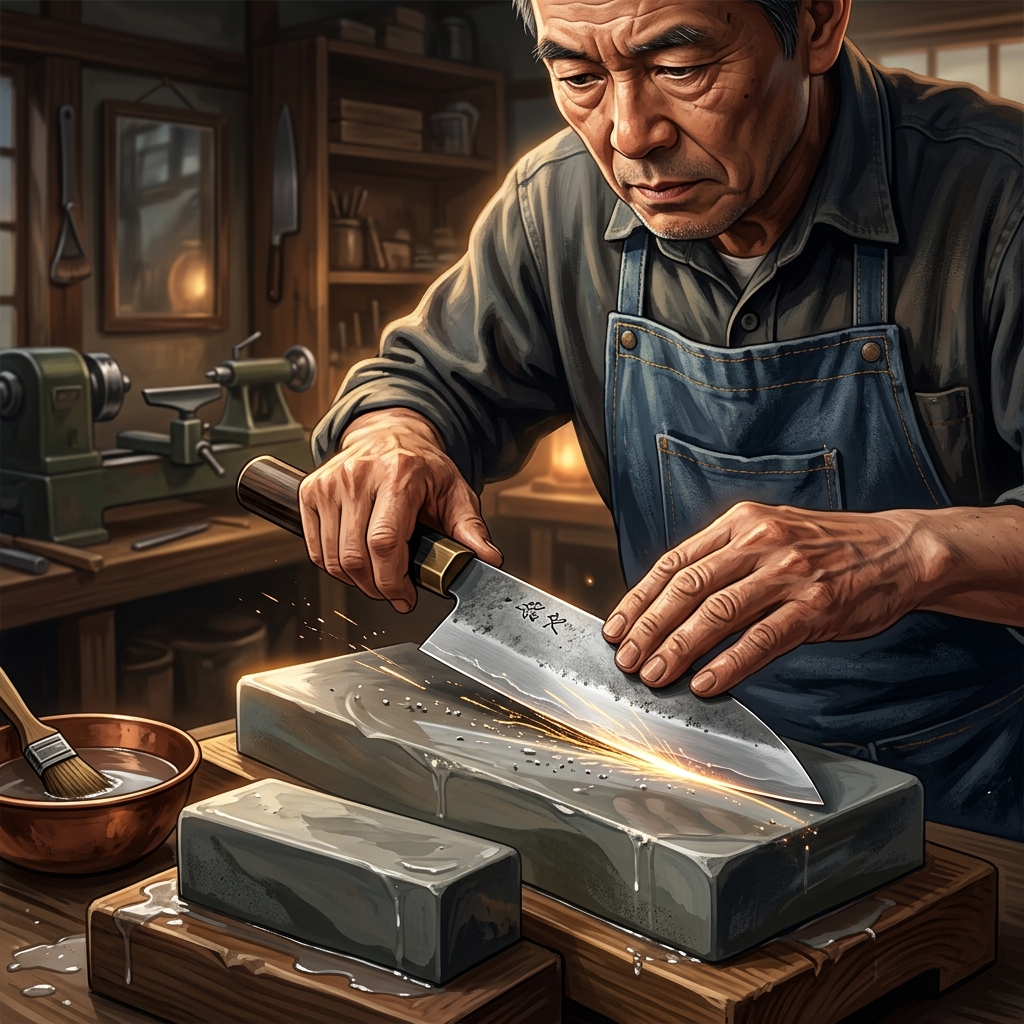 | verb, refine or perfect (something) over a period of time, 磨炼;磨砺;提高 | He spent years in the kitchen honing his culinary skills. | 他在厨房里花了多年时间磨炼自己的厨艺。 | ♪ Play | verb, sharpen (a blade), 磨快;磨尖 | The carpenter honed the chisel on a whetstone until it was razor sharp. | 木工在磨刀石上磨尖凿子,直到它锋利如剃刀。 | ♪ Play | 2026-08-07 12:05 |
tangible | /ˈtændʒəbl/ |  | adjective, perceptible by touch; clear and definite for real, 有形的;可触摸的;确凿的 | The police have found no tangible evidence. | 警方没有找到任何确凿的证据。 | ♪ Play | noun, an item that is perceptible by touch, 有形资产;有形物 | The company's assets include tangibles such as property and equipment. | 该公司的资产包括房产和设备等有形资产。 | ♪ Play | 2026-08-07 12:10 |
reg | /reɡ/ |  | noun, informal, short for regulation or regular, 规章;规则;常规 (常用复数 regs) | Make sure you follow all the safety regs before operating the equipment. | 在操作设备之前,请确保遵守所有安全规章。 | ♪ Play | adjective, informal, regular, 常规的;普通的 | He ordered a reg coffee with cream and two sugars. | 他点了平时喝的普通咖啡,加奶油和两份糖。 | ♪ Play | 2026-08-07 14:59 |
marble | /ˈmɑːrb(ə)l/ | 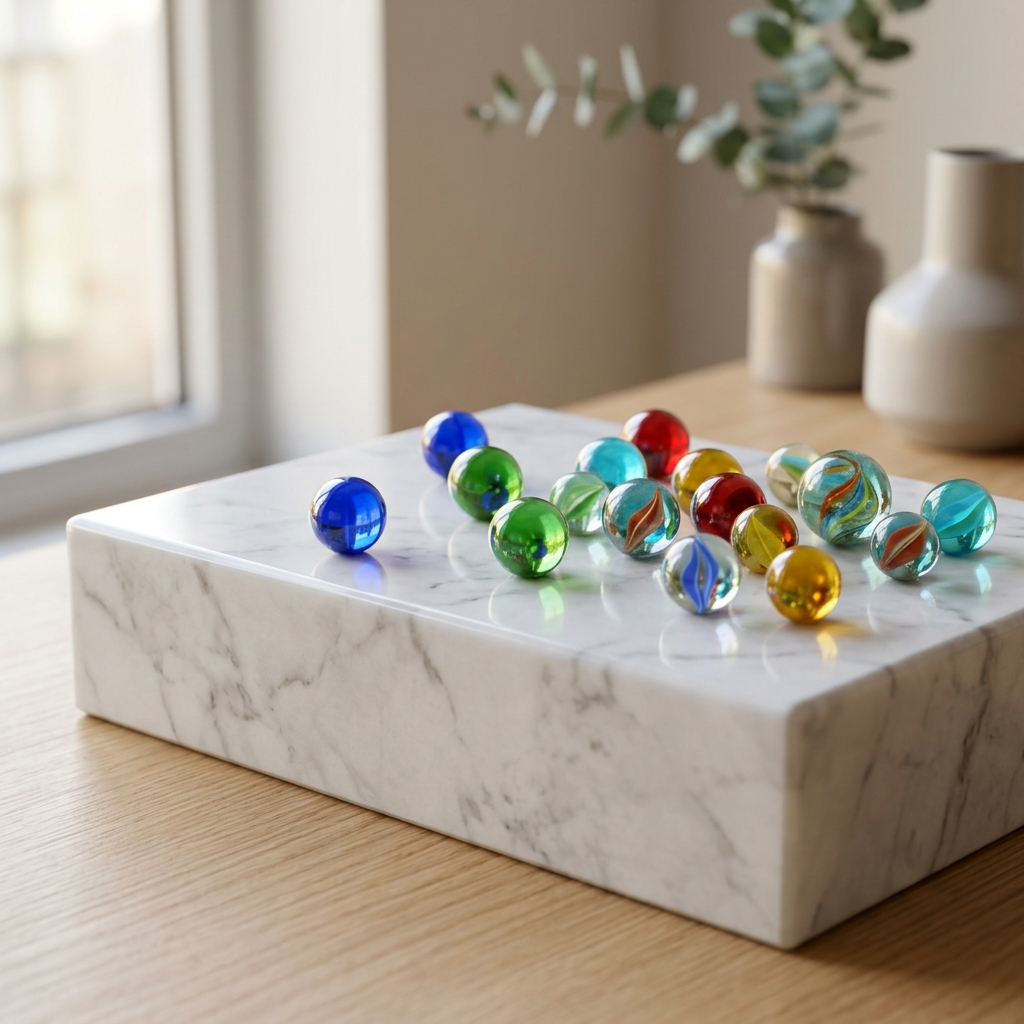 | noun, hard crystalline metamorphic form of limestone, typically white with colored veins, used in sculpture and architecture, 大理石 | The lobby floor was made of elegant white marble. | 大厅的地板是由优雅的白色大理石制成的。 | ♪ Play | noun, a small spherical toy made of glass, clay, or agate, 弹珠 | Children used to play with glass marbles in the schoolyard. | 孩子们过去常在校园里玩玻璃弹珠。 | ♪ Play | 2026-08-08 02:27 |
distraught | /dɪˈstrɔːt/ |  | adjective, deeply upset and agitated, 心烦意乱的;极度痛苦的 | She was distraught with grief after hearing the sad news. | 听到这个噩耗后,她痛苦万分。 | ♪ Play | 2026-08-08 07:55 | ||||
discreet | /dɪˈskriːt/ |  | adjective, careful and circumspect in one's speech or actions, especially in order to avoid causing offense or to gain an advantage, 谨慎的;考虑周到的;言行谨慎的 | They were very discreet about their romantic relationship. | 他们对彼此的恋情非常低调谨慎。 | ♪ Play | adjective, intentionally unobtrusive; subtle and subdued, 不引人注意的;低调朴素的 | The hotel provides a discreet entrance for high-profile guests. | 这家酒店为显要客人提供了一个隐蔽低调的入口。 | ♪ Play | 2026-08-08 11:33 |
sack | /sæk/ | 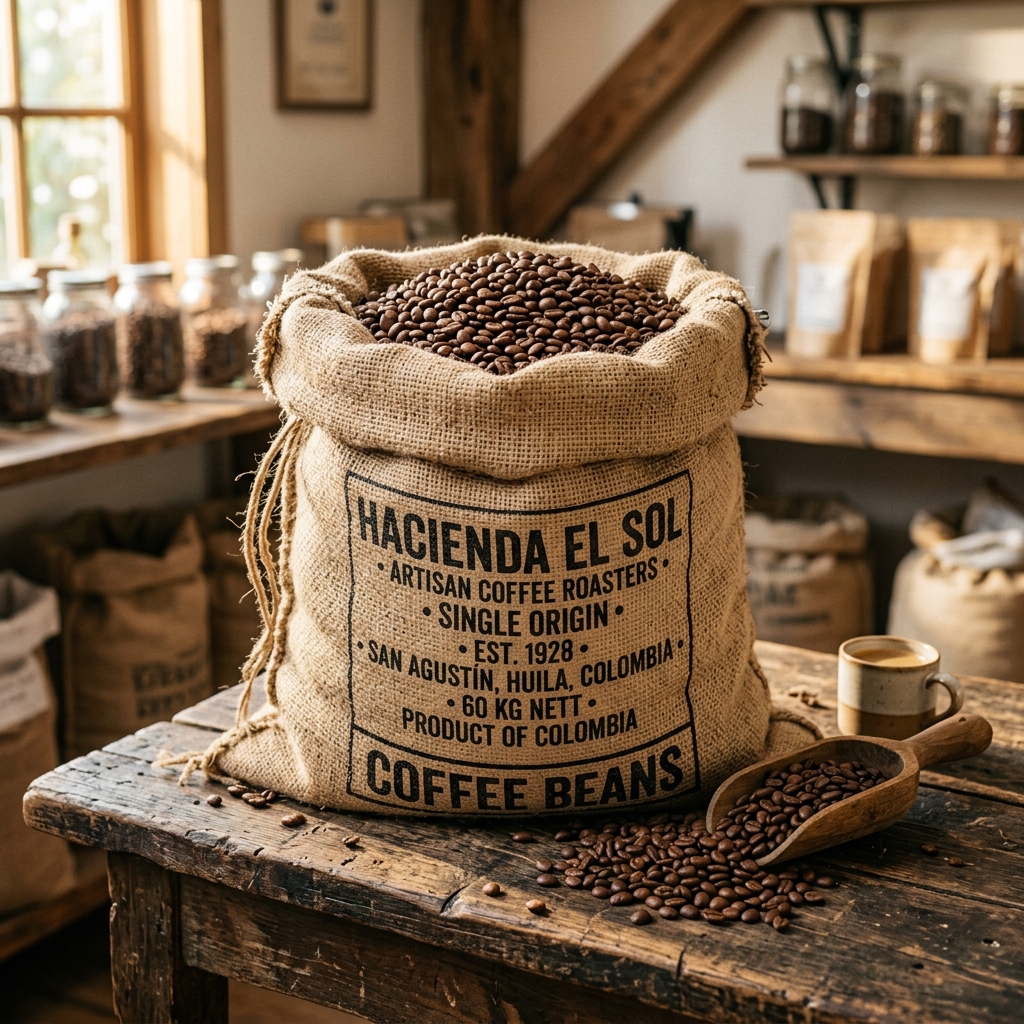 | noun, a large bag made of strong coarse material such as burlap, heavy paper, or plastic, used for storing or carrying goods, 麻袋;大袋 | He carried a heavy sack of potatoes on his shoulder. | 他肩上扛着一重重的一袋土豆。 | ♪ Play | verb, dismiss from a job, 解雇;开除 | The manager decided to sack the lazy worker. | 经理决定解雇那个偷懒的员工。 | ♪ Play | 2026-08-08 11:50 |
discretion | /dɪˈskreʃ.ən/ |  | noun, the quality of behaving or speaking in such a way as to avoid causing offense or revealing private information, 谨慎;明智;保密 | You can rely on his discretion to keep the secret. | 你可以相信他会恪守秘密。 | ♪ Play | noun, the freedom to decide what should be done in a particular situation, 自行决定权;斟酌决定权 | The director has full discretion to make hiring decisions. | 主管有全权自行决定招聘事宜。 | ♪ Play | 2026-08-08 14:05 |
prick | /prɪk/ | 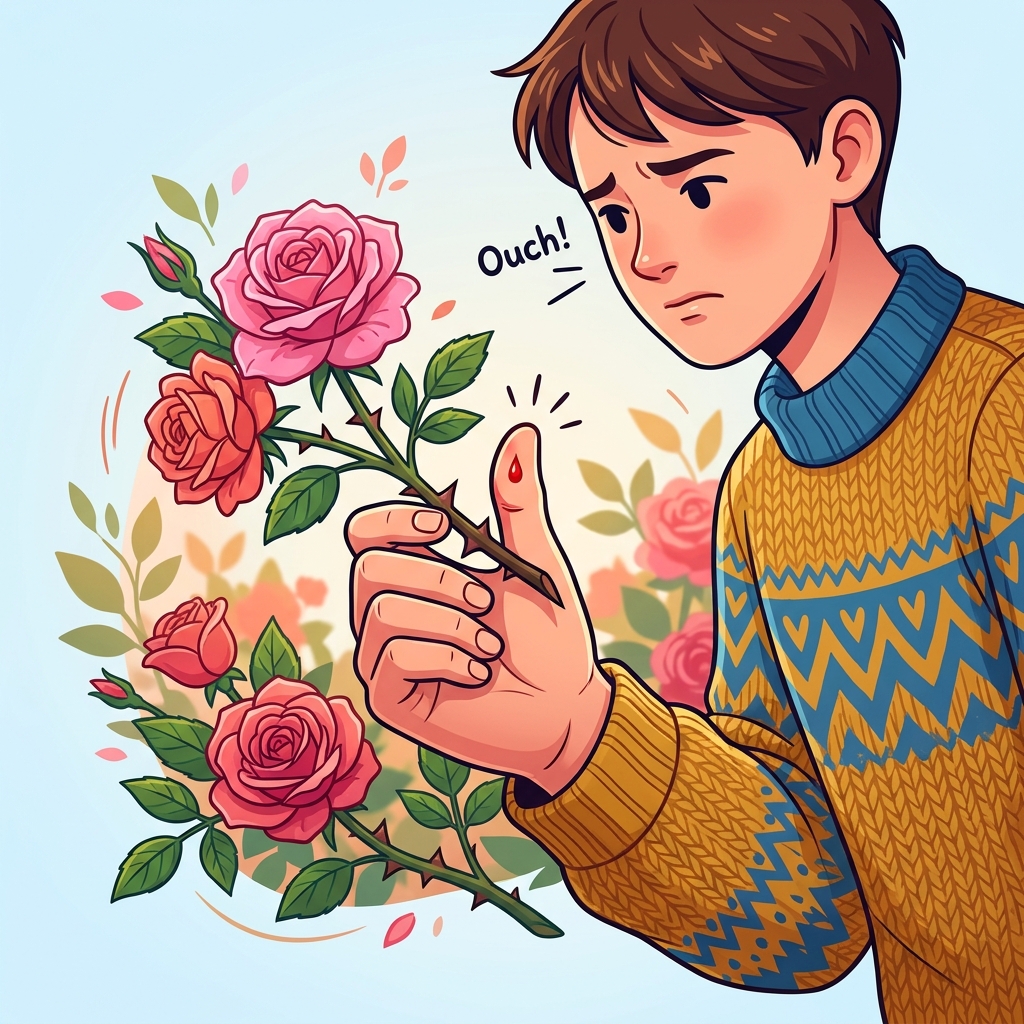 | verb, make a small hole in (something) with a sharp point, 刺;扎;刺痛 | He pricked his finger with a sharp needle. | 他用一根尖针扎破了手指。 | ♪ Play | noun, a small hole or sharp pain made by a sharp object, 刺痛;刺孔 | She felt a small prick in her arm when receiving the vaccine. | 在接种疫苗时,她感觉手臂上有一点微弱的刺痛。 | ♪ Play | 2026-08-08 14:09 |
demise | /dɪˈmaɪz/ |  | noun, the end or failure of an enterprise or institution, or a person's death, 死亡;终止;败落 | The sudden demise of the ancient empire left a power vacuum across the realm. | 这个古老帝国的突然覆灭在整个王国留下了权力真空。 | ♪ Play | verb, convey or grant (an estate) by will or lease, 遗赠;转让 | The estate was demised to his nephew upon his passing. | 他去世后,这处地产被遗赠给了他的侄子。 | ♪ Play | 2026-08-08 14:35 |
stigmatize | /ˈstɪɡmətaɪz/ |  | verb, describe or regard (something) as worthy of disgrace or great disapproval, 给……贴上耻辱标签;玷污 | People with mental health issues are often unfairly stigmatized. | 患有心理健康问题的人往往会被不公正地贴上耻辱标签。 | ♪ Play | 2026-08-09 00:55 | ||||
stray | /streɪ/ | 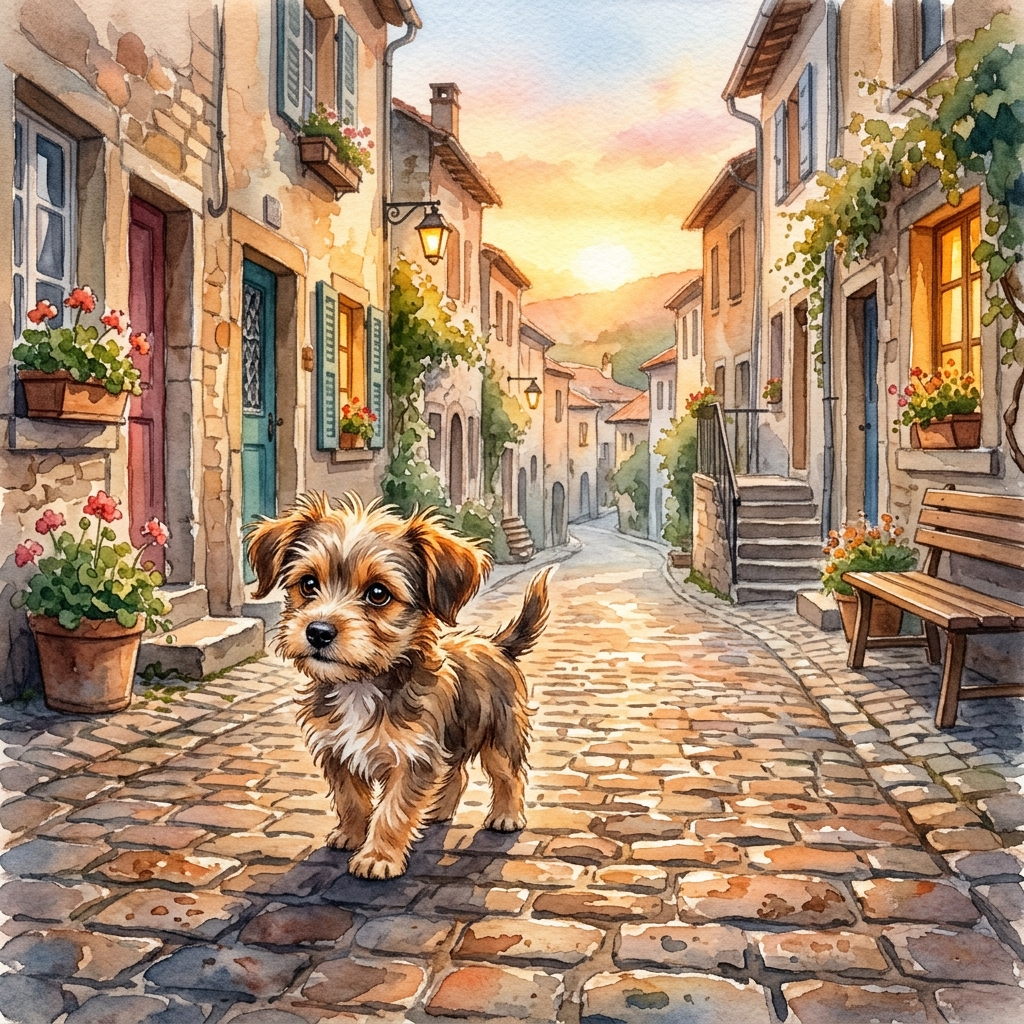 | verb, move away aimlessly or wander from a group or proper place, 走失;偏离;漫游 | The little puppy strayed away from its mother and lost its way. | 那只小狗偏离了母亲,迷了路。 | ♪ Play | noun, a domestic animal that is lost or has no home, 流浪动物 | They decided to adopt a stray cat that was living in their neighborhood. | 他们决定收养一只生活在附近社区的流浪猫。 | ♪ Play | 2026-08-09 03:36 |
defuse | /diːˈfjuːz/ |  | verb, make (a situation) less tense or dangerous, 缓解,平息(紧张局势);化解(危机) | The police officer managed to defuse the tense situation with calm words. | 警官用温和的话语化解了紧张的局势。 | ♪ Play | verb, remove the fuse from (an explosive device) so as to prevent it from exploding, 拆除(炸弹等)的引信 | Bomb disposal experts were called in to defuse the bomb. | 防爆专家被召来拆除炸弹的引信。 | ♪ Play | 2026-08-09 05:29 |
scramble | /ˈskræm.bəl/ |  | verb, to move or climb quickly but awkwardly, using your hands and feet, 攀爬;(艰难地)爬行 | The hikers had to scramble up the steep and rocky mountain slope. | 登山者们不得不艰难地攀爬陡峭多石的山坡。 | ♪ Play | verb, to mix or cook things together, or to struggle hastily for something, 炒(蛋);打乱;抢夺 | She scrambled the eggs in a hot pan for breakfast. | 她在大火平底锅里炒了鸡蛋作为早餐。 | ♪ Play | 2026-08-09 05:51 |
dispute | /dɪˈspjuːt, ˈdɪspjuːt/ |  | noun, a disagreement or argument, 争论;纠纷 | The two neighbors had a heated dispute over the property line. | 邻居俩为财产界线发生了激烈的争执。 | ♪ Play | verb, argue about or question the truth or validity of something, 对……提出质疑;争论 | No one can dispute the facts presented in the report. | 没有人能对报告中陈述的事实提出质疑。 | ♪ Play | 2026-08-09 07:28 |
spectacle | /ˈspektəkl/ |  | noun, a visually striking performance or display, 精彩的表演;壮观的场面 | The fireworks display over the harbor was a magnificent spectacle. | 海港上空的烟花表演是一场壮观的景象。 | ♪ Play | noun, an event or situation that draws attention or interest as being unusual or notable, 奇观;引人注目的事 | He made a spectacle of himself by shouting loudly in public. | 他在公共场合大声喧哗,引人侧目。 | ♪ Play | 2026-08-09 13:27 |
shatter | /ˈʃætər/ |  | verb, break or cause to break suddenly and violently into pieces, 粉碎;打破 | The window shattered into thousands of tiny pieces when the ball hit it. | 当球击中窗户时,窗户碎成了数千个碎片。 | ♪ Play | verb, upset completely; ruin (hopes, dreams, or peace), 毁碎;粉碎(希望、梦想等) | The unexpected bad news shattered her dreams of studying abroad. | 这突如其来的坏消息粉碎了她出国留学的梦想。 | ♪ Play | 2026-08-10 01:55 |
impose | /ɪmˈpəʊz/ |  | verb, force (something unwelcome or unfamiliar) to be accepted or put in place, 强制实行;强加于 | The government decided to impose new taxes on luxury goods. | 政府决定对奢侈品征收新税。 | ♪ Play | verb, take unfair advantage of someone, 利用;妨碍;打扰 | I hope I am not imposing on you by staying another night. | 希望我再住一晚不会让你感到打扰。 | ♪ Play | 2026-08-10 02:41 |
sloppy | /ˈslɒpi/ | 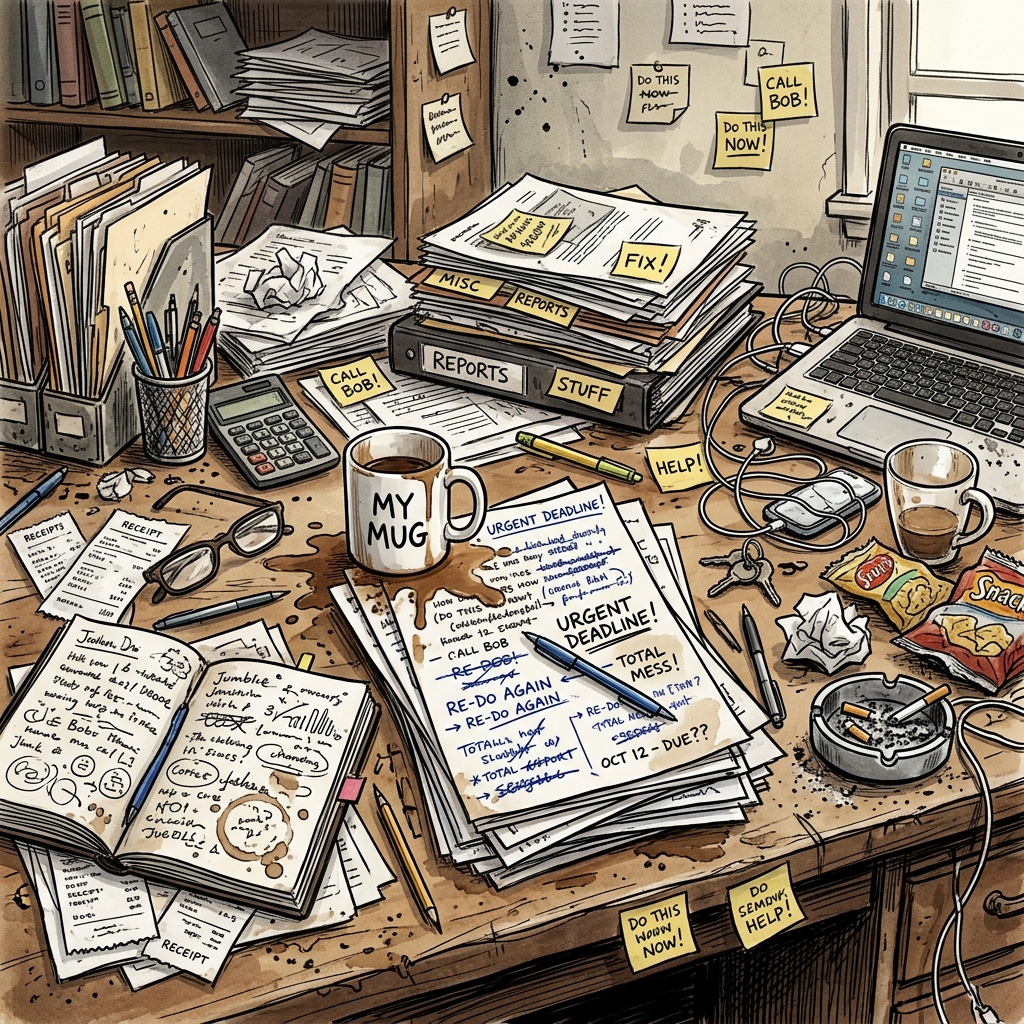 | adjective, careless and unsystematic; excessively casual or loose, 蓬乱的;草率的;粗心的;邋遢的 | His work was sloppy and contained a lot of basic errors. | 他的工作极其草率,包含许多低级错误。 | ♪ Play | adjective, (of ground, food, etc.) semi-liquid, wet, or slushy, 泥泞的;湿滑的;稀薄的 | The ground was soft and sloppy after the heavy rain. | 大雨过后,地面软绵绵且泥泞不堪。 | ♪ Play | 2026-08-10 13:22 |
retard | /rɪˈtɑːrd/ | 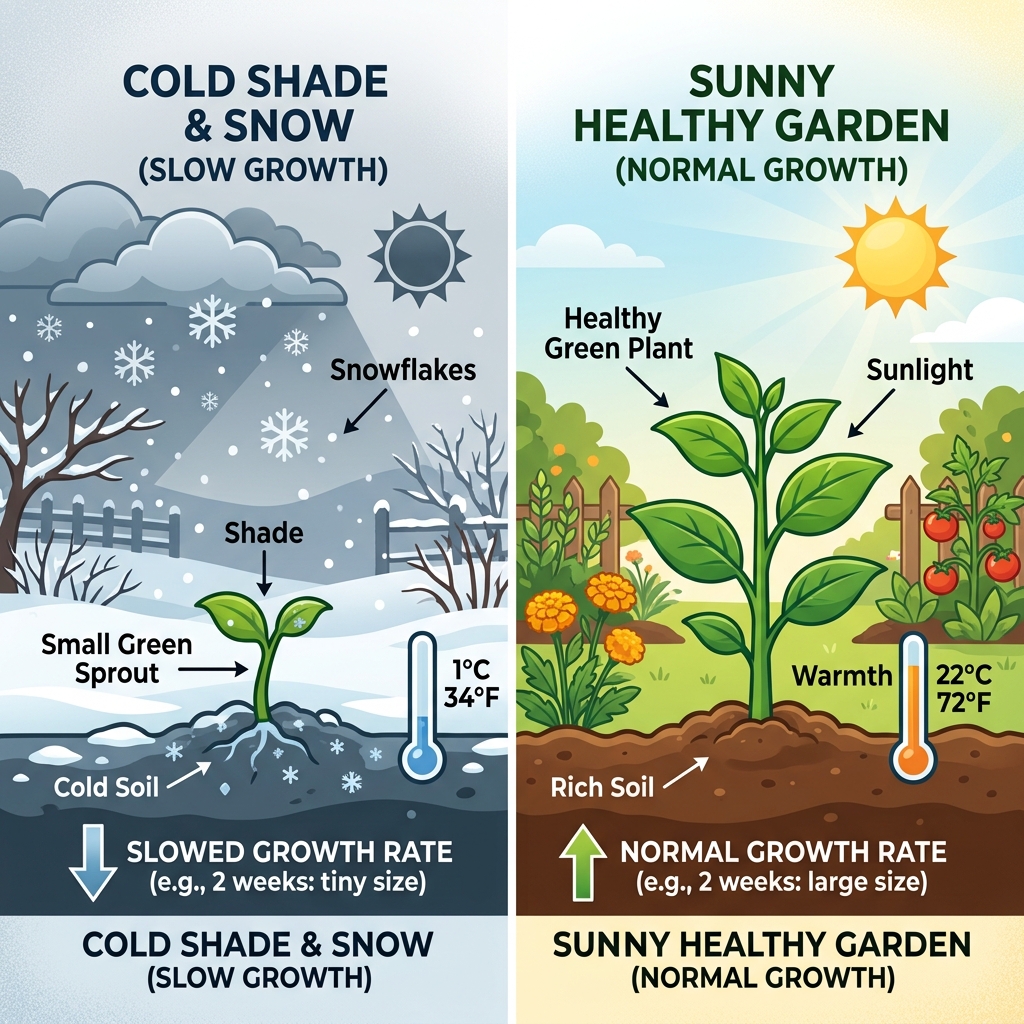 | verb, to delay or hold back in terms of progress, development, or accomplishment, 阻碍;减缓 | Cold weather can retard the growth of crops. | 寒冷的天气会减缓农作物的生长。 | ♪ Play | noun (technical), a substance or factor that slows a process or chemical reaction, 阻滞剂;减速剂 | Chemicals were added to retard the spread of the fire. | 添加了化学物质以减缓火势的蔓延。 | ♪ Play | 2026-08-10 13:41 |
pretentious | /prɪˈten.ʃəs/ |  | adjective, attempting to impress by affecting greater importance, talent, culture, etc., than is actually possessed, 炫耀的;自命不凡的;矫饰的 | The restaurant felt overly pretentious with its complicated menu and exorbitant prices. | 这家餐厅复杂的菜单和过高的价格让人感觉过于矫揉造作。 | ♪ Play | adjective, making an exaggerated outward show, 虚张声势的 | He avoids using pretentious language when speaking to a general audience. | 他在向普通观众讲话时会避免使用自命不凡的措辞。 | ♪ Play | 2026-08-10 13:52 |
swat | /swɑːt/ | 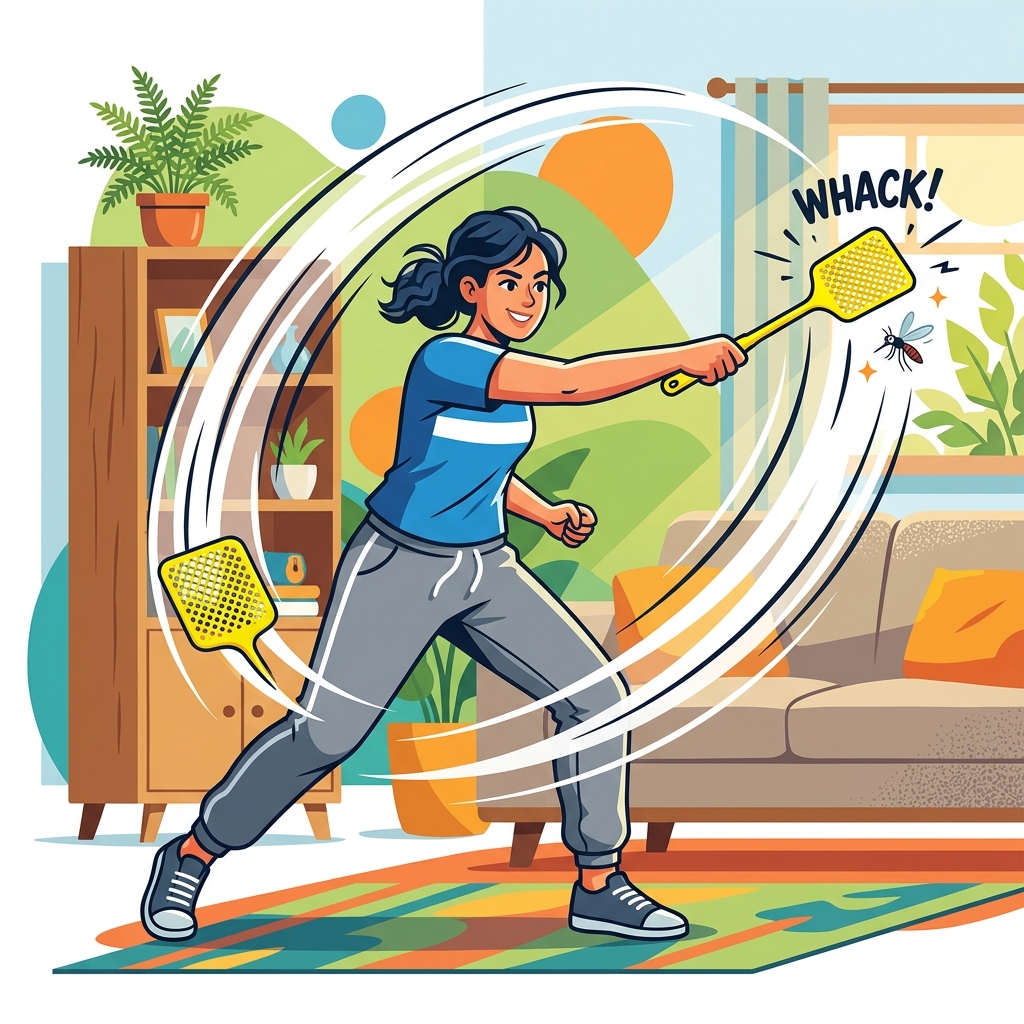 | verb, hit or crush (something, especially an insect) with a sharp blow from a flat object, 猛击;打(蝇等) | He tried to swat the fly with a rolled-up magazine. | 他试图用卷起的杂志打死那只苍蝇。 | ♪ Play | noun, a sharp slap or blow, 猛击;重打 | She gave the annoying mosquito a quick swat. | 她快速猛打了一下那只讨厌的蚊子。 | ♪ Play | 2026-08-10 15:13 |
residue | /ˈrez.ɪ.djuː/ | 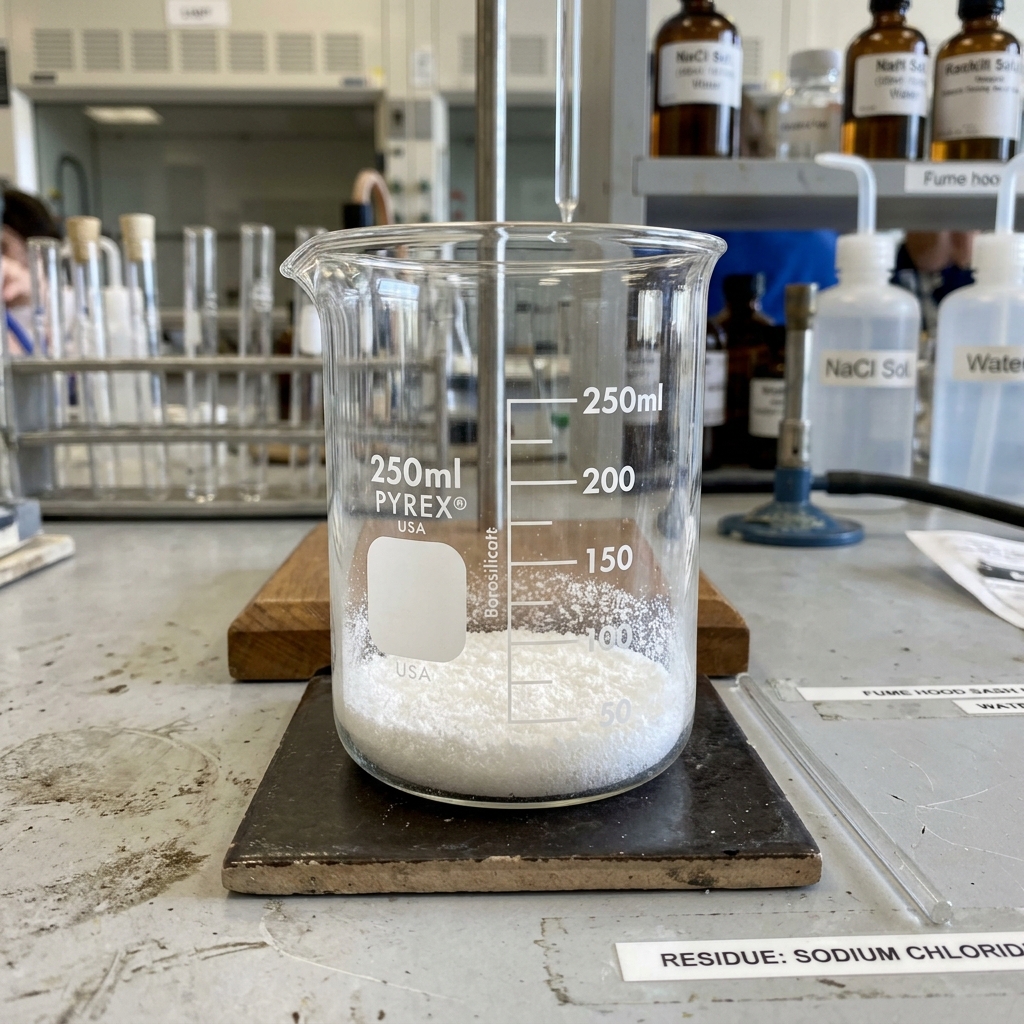 | noun, a small amount of something that remains after the main part has gone or been taken or used, 残余;残渣 | The ash is the residue of burned wood. | 灰烬是木头燃烧后的残渣。 | ♪ Play | noun, a substance that remains after a chemical process such as evaporation or filtration, (化学)残渣;残留物 | Pesticide residues were found on the surface of the unwashed apples. | 在没洗过的苹果表面发现了农药残留。 | ♪ Play | 2026-08-10 16:00 |
strand | /strænd/ |  | noun, a single thin length of something such as thread, fiber, or hair, (线、绳、头发等的)股,缕,条 | She pulled a loose strand of hair back behind her ear. | 她把一缕散落的发丝捋到了耳后。 | ♪ Play | verb, leave (someone or something) in a place without transport or money; run aground, 使滞留;使困住;搁浅 | The severe snowstorm stranded hundreds of passengers at the airport. | 严重的暴风雪使数百名乘客滞留在机场。 | ♪ Play | 2026-08-10 16:56 |
captive | /ˈkæp.tɪv/ | 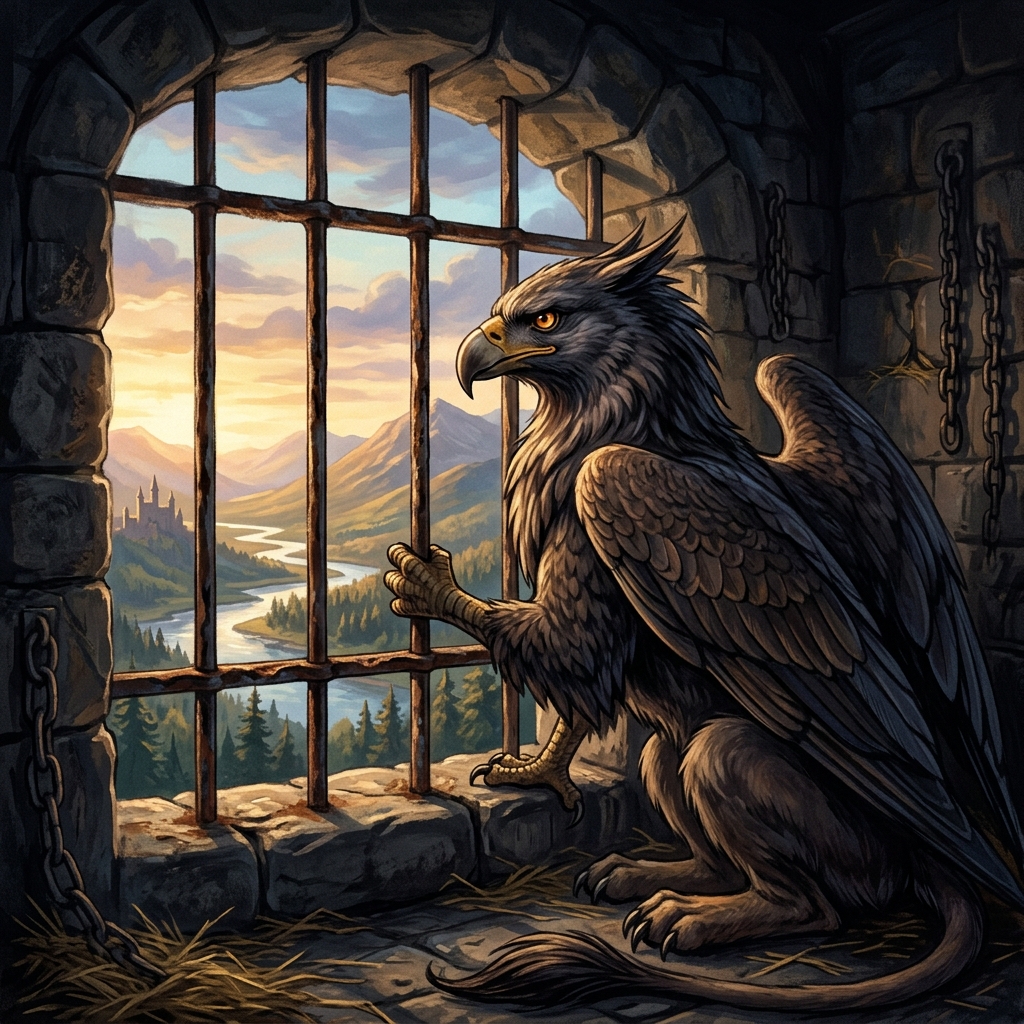 | noun, a person who is taken prisoner or an animal that is confined, 囚徒;俘虏;被关押的动物 | The soldiers took several captives during the battle. | 士兵们在战斗中抓获了几个俘虏。 | ♪ Play | adjective, imprisoned or confined; unable to escape, 被监禁的;受控制的;无法逃跑的 | Wild animals often suffer when kept in captive conditions. | 野生动物在被圈养的环境中往往会遭受痛苦。 | ♪ Play | 2026-08-11 05:18 |
smug | /smʌɡ/ | 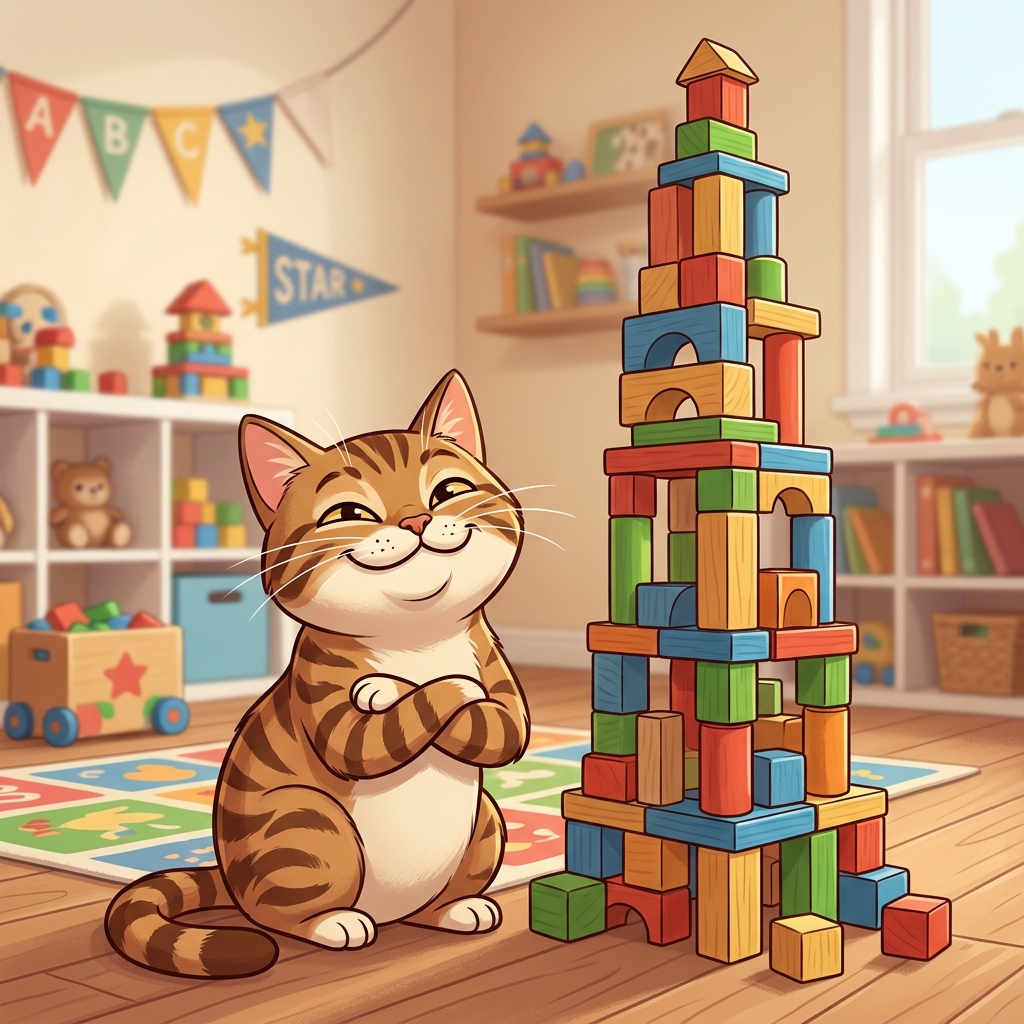 | adjective, having or showing an excessive pride in oneself or one's achievements, 沾沾自喜的;自满的 | He had a smug look on his face after winning the game. | 赢了比赛后,他脸上带着自满的表情。 | ♪ Play | adjective, excessively self-satisfied or complacent, 固步自封的;盲目自满的 | We should not become smug about our past success. | 我们不应该对过去的成功感到盲目自满。 | ♪ Play | 2026-08-11 14:41 |
spruce up | /spruːs ʌp/ |  | phrasal verb, to make a person, place, or thing look smarter, cleaner, or more attractive, 整理;打扮;装饰 | We decided to spruce up the living room with a fresh coat of paint. | 我们决定用一层新漆把客厅打扮一下。 | ♪ Play | phrasal verb, to dress neatly or groom oneself to look presentable, (把自己)打扮得干干净净、漂亮 | He spruced himself up before going out for dinner. | 他在出去吃晚饭之前把自己的外表好好整理打扮了一番。 | ♪ Play | 2026-08-12 12:28 |
jumble | /ˈdʒʌmb(ə)l/ | 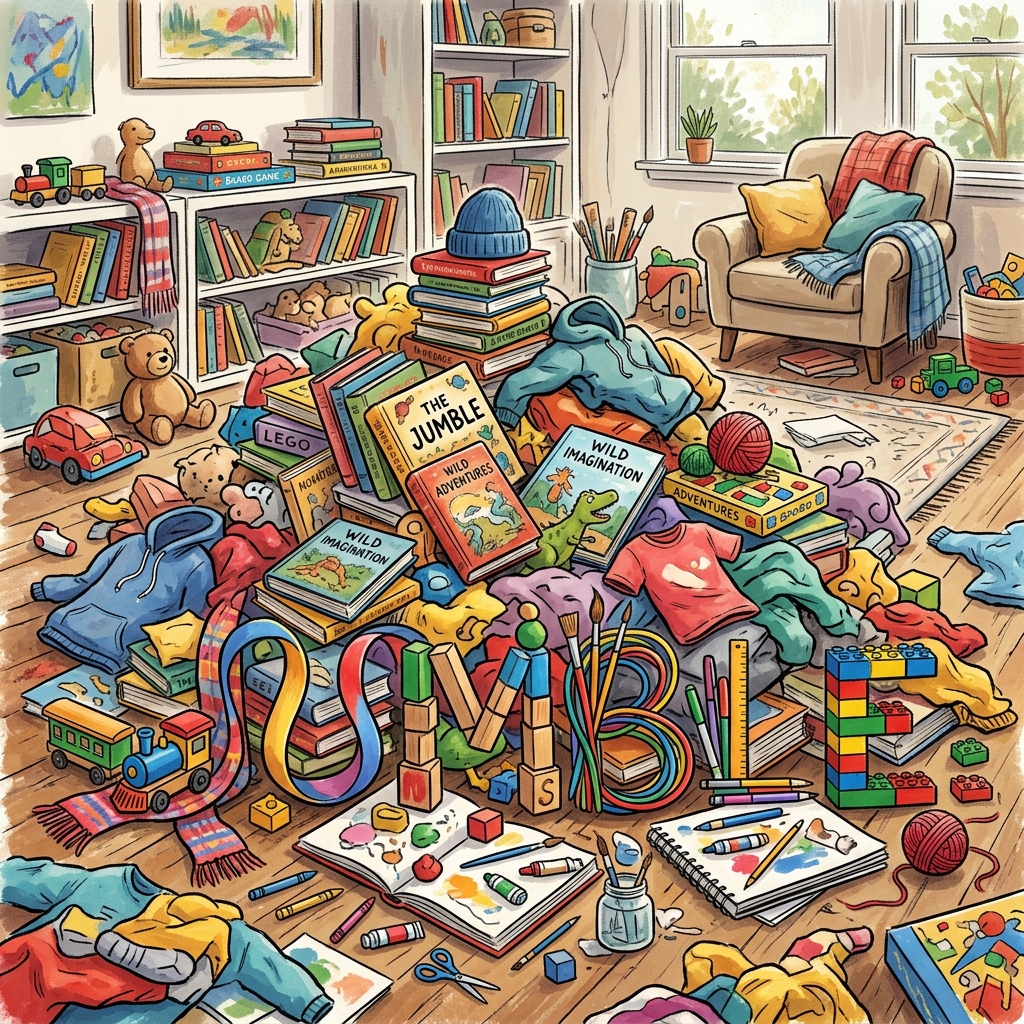 | noun, an untidy collection or pile of things, 混乱;杂乱的一堆 | The books and toys were lying in a jumble on the floor. | 书本和玩具杂乱无章地堆在地上。 | ♪ Play | verb, mix up in a confused or untidy way, 使混乱;混杂 | The papers were jumbled together in the drawer. | 文件在抽屉里混杂成一团。 | ♪ Play | 2026-08-12 12:39 |
dire | /daɪər/ |  | adjective, extremely serious or urgent, 极其严重的;危急的 | The hurricane left thousands of people in dire need of food and shelter. | 飓风使成千上万的人急需食物和避难所。 | ♪ Play | adjective, warning of disaster; ominous, 预示灾难的;不祥的 | She issued a dire prediction about the future of the economy. | 她对经济的未来做出了可怕的不祥预测。 | ♪ Play | 2026-08-12 13:20 |
sentimental | /ˌsen.tɪˈmen.təl/ |  | adjective, prompted by or expressing feelings of tenderness, sadness, or nostalgia, 多愁善感的;感情用事的;感伤的 | She kept all the old love letters for sentimental reasons. | 出于情感方面的因素,她保存了所有旧情书。 | ♪ Play | adjective, (of an object) having value to someone because of its associations with memories or people, (物品)具有纪念意义的;承载情感的 | The ring has little monetary value, but it has great sentimental value to her. | 这枚戒指金钱价值不高,但对她来说却有极大的纪念价值。 | ♪ Play | 2026-08-15 06:08 |
parasite | /ˈpær.ə.saɪt/ | 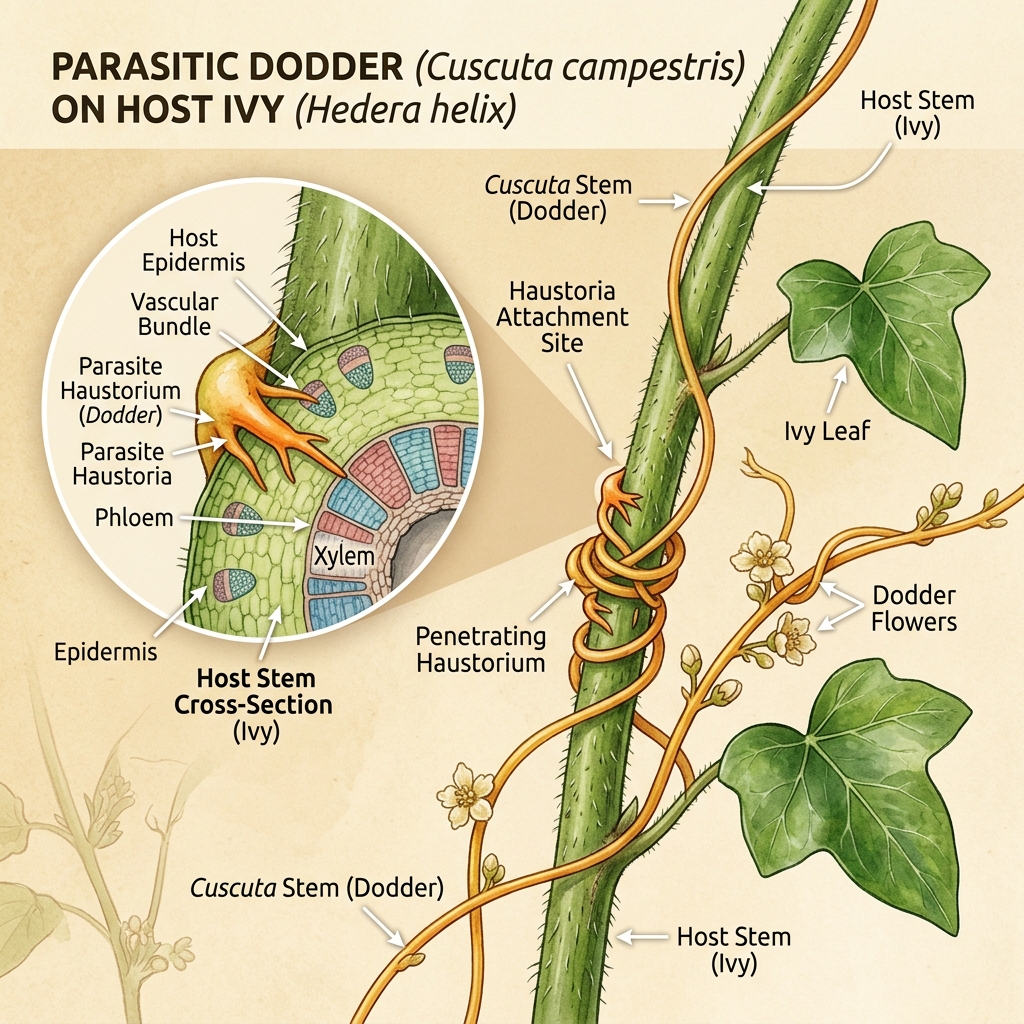 | noun, an organism that lives in or on another organism and benefits by deriving nutrients at the host's expense, 寄生虫;寄生生物 | The parasite lives inside the host organism and feeds on its nutrients. | 这种寄生虫生活在宿主体内,以其营养物质为食。 | ♪ Play | noun, a person who habitually relies on or exploits others without giving anything in return, 依靠他人过活的人;寄生虫 | He was regarded as a parasite who lived off his wealthy friends. | 他被看作是一个靠富有的朋友讨生活的寄生虫。 | ♪ Play | 2026-08-15 06:31 |
bargain | /ˈbɑːrɡən/ | 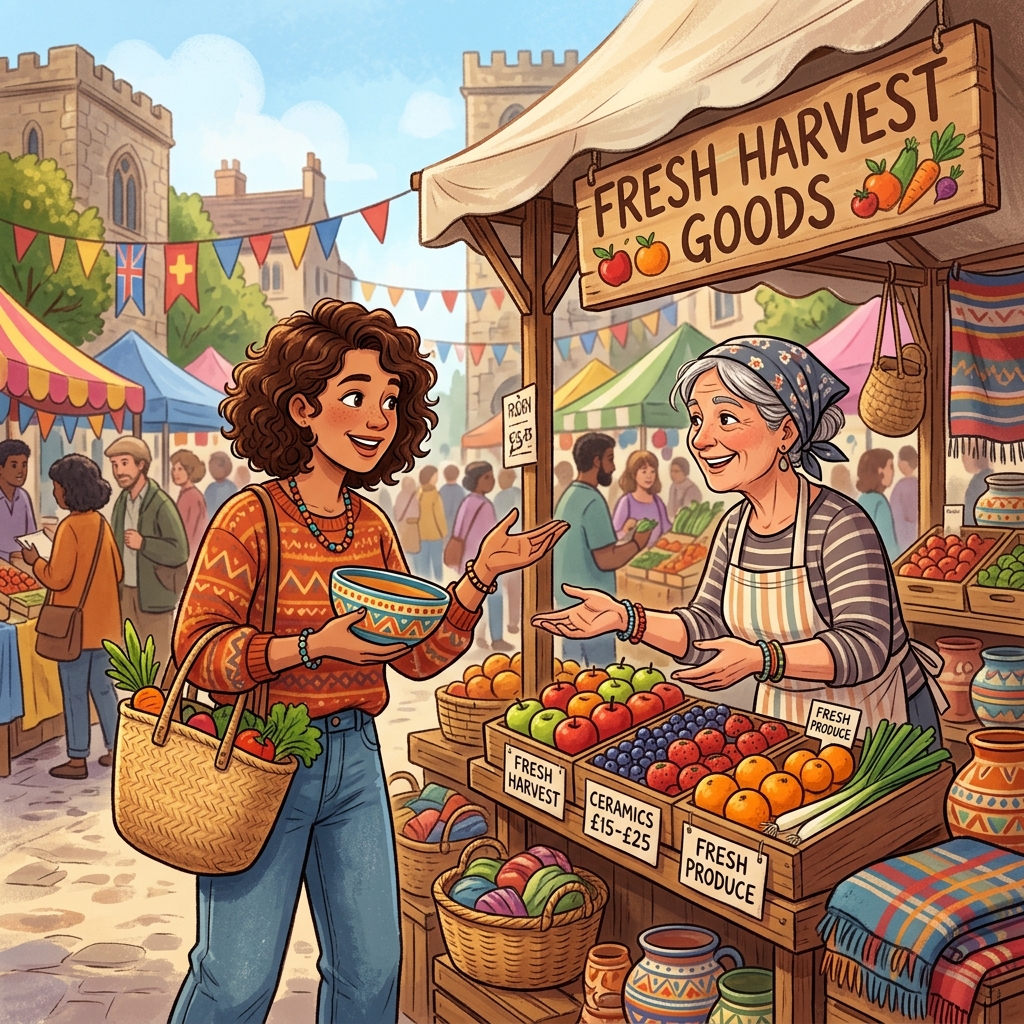 | noun, something bought or offered at a lower price than usual, 便宜货;划算的交易 | At only ten dollars, this handmade vase was a real bargain. | 这件手工花瓶只要十美元,真是个大便宜。 | ♪ Play | verb, negotiate the terms and conditions of a transaction, 讨价还价;谈判 | She tried to bargain with the vendor for a better price on the fruit. | 她试图与摊主讨价还价,以获得更优惠的水果价格。 | ♪ Play | 2026-08-18 10:10 |
stray | /streɪ/ |  | adjective, away from the correct path or separate from the main group; lost or homeless, 走失的;流浪的;偏离的 | The family decided to adopt a friendly stray dog they found near the park. | 一家人决定收养他们在公园附近发现的一只友好的流浪狗。 | ♪ Play | verb, move away aimlessly from a group, path, or main topic, 迷路;偏离正题;走神 | Her attention began to stray from the lecture as she looked out the window. | 当她看着窗外时,她的注意力开始从讲座上偏离。 | ♪ Play | 2026-08-18 10:29 |
prestige | /prɛˈstiːʒ/ |  | noun, widespread respect and admiration felt for someone or something on the basis of a perception of their achievements or quality, 声望;威望;声誉 | The university enjoys a global reputation for academic prestige. | 这所大学因其学术声望而享有全球声誉。 | ♪ Play | adjective, inspiring respect and admiration; having high status, 有声望的;令人敬仰的 | He was invited to speak at a prestige event in Paris. | 他受邀在巴黎的一场顶级盛会上发表演讲。 | ♪ Play | 2026-08-18 10:30 |
vicious | /ˈvɪʃ.əs/ |  | adjective, deliberately cruel or violent, 凶残的;恶毒的 | The dog gave a vicious growl as we approached. | 当我们靠近时,那条狗发出了一声凶残的怒吼。 | ♪ Play | adjective, serious or dangerous; severe, 剧烈的;严重的 | He suffered a vicious attack of flu. | 他患了一场严重的流感。 | ♪ Play | 2026-08-18 11:53 |
hollow | /ˈhɑːloʊ/ |  | adjective, having a space or hole inside; not solid, 空的;中空的 | The old oak tree has a hollow trunk. | 这棵老橡树有一个中空的树干。 | ♪ Play | adjective, without real value, meaning, or sincerity, 虚伪的;空洞的 | His promises turned out to be hollow. | 他的承诺结果被证明是空洞的。 | ♪ Play | 2026-08-18 11:56 |
corollary | /kəˈrɒləri/ |  | noun, a direct or natural consequence or result, 必然的结果;推论 | Destruction of the environment is an inevitable corollary of industrial expansion. | 环境破坏是工业扩张带来的必然结果。 | ♪ Play | adjective, forming a proposition that follows from one already proved; consequent, 必然的;随之而来的 | The research team analyzed the main dataset and discovered several corollary findings. | 研究团队分析了主数据集,并发现了几项随之而来的结论。 | ♪ Play | 2026-08-18 12:07 |
drudgery | /ˈdrʌdʒəri/ | 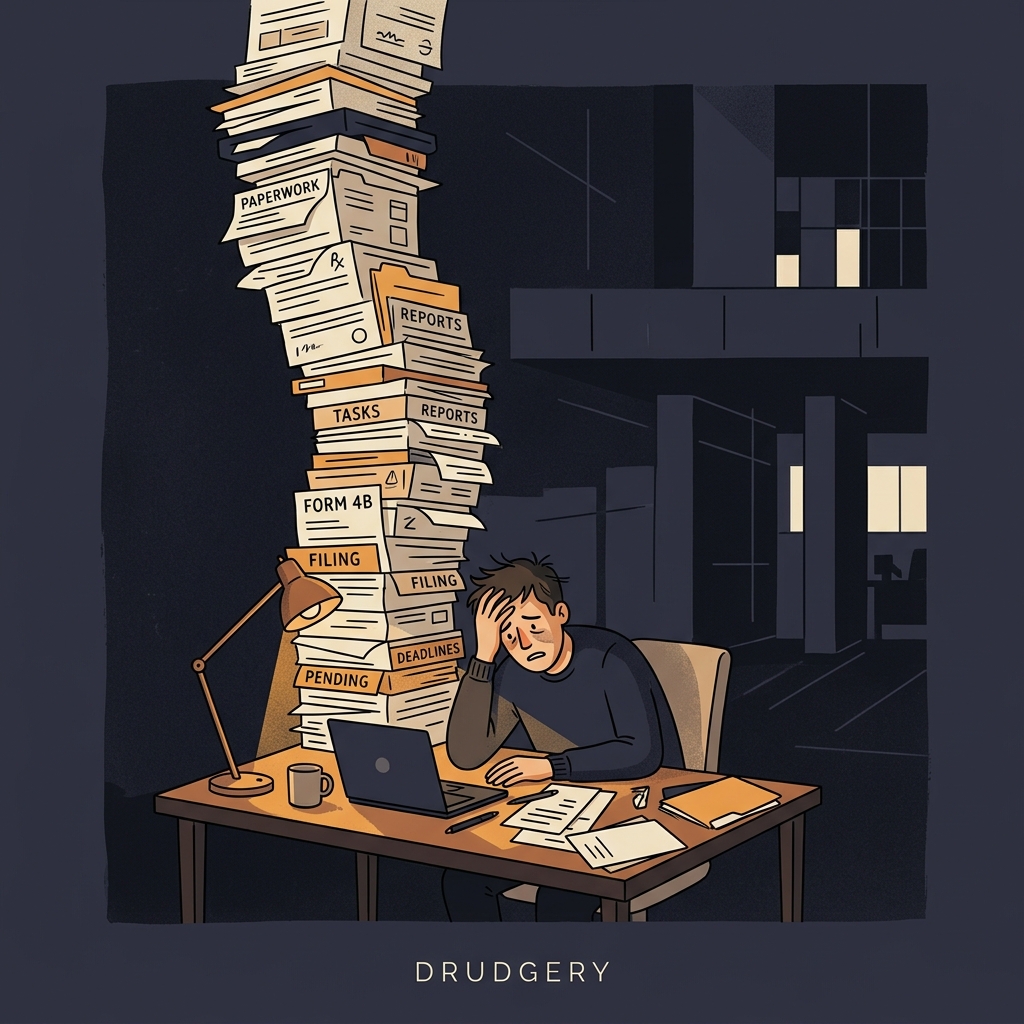 | noun, hard, menial, or dull work, 繁重沉闷的工作;苦工 | He found the administrative drudgery of his job exhausting. | 他觉得工作中的行政琐事繁重沉闷,令人精疲力竭。 | ♪ Play | 2026-08-18 12:10 | ||||
precarious | /prɪˈkeə.ri.əs/ |  | adjective, not securely held or in position; dangerously likely to fall or collapse, 不稳固的;危险的 | The delicate glass vase was placed in a precarious position on the edge of the table. | 精致的玻璃花瓶被放在桌子边缘一个很不稳固的位置。 | ♪ Play | adjective, dependent on chance; uncertain, 不确定的;取决于偶然因素的 | Many freelancers live a precarious existence with uncertain income. | 许多自由职业者过着收入不确定的不稳定生活。 | ♪ Play | 2026-08-18 12:13 |
slurp | /slɜːrp/ | 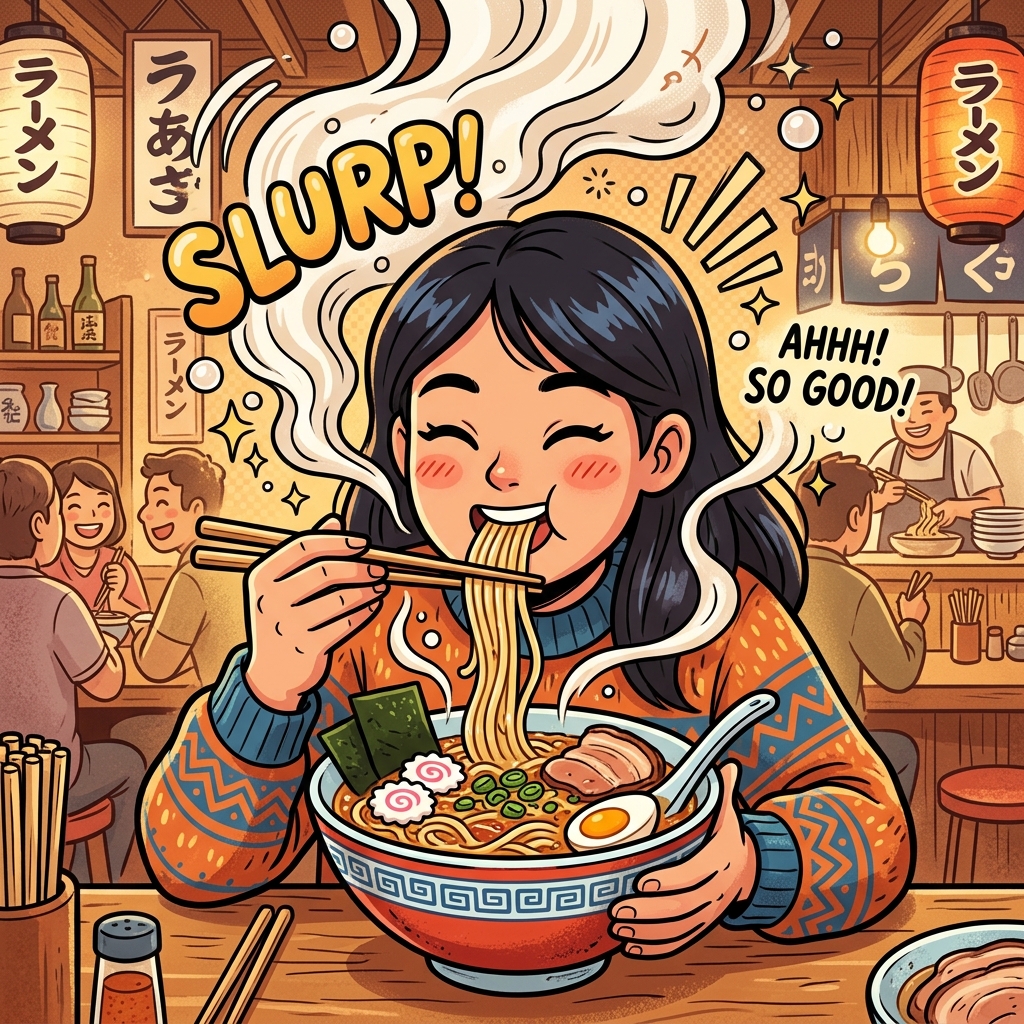 | verb, to drink or eat something with a loud, sucking noise, 出声地吃(或喝);发出哧哧声地吃(或喝) | He slurped his hot soup noisily from the bowl. | 他发出很大的声音从碗里哧哧地喝热汤。 | ♪ Play | noun, a loud sucking noise made while drinking or eating, 哧哧喝水(或吃东西)声;咕噜咕噜喝的声音 | She took a loud slurp of her iced beverage through the straw. | 她用吸管大声地吸了一口冰饮。 | ♪ Play | 2026-08-18 12:14 |
encapsulate | /ɪnˈkæp.sjə.leɪt/ |  | verb, to express the essential features of something succinctly, 概括;简述 | The final paragraph of the report encapsulates the main conclusions. | 报告的最后一段概括了主要结论。 | ♪ Play | verb, to enclose something in or as if in a capsule, 封装;把…封进胶囊 | The technology encapsulates liquid medicine inside small protective spheres. | 该技术将液体药物封装在小型保护球体内。 | ♪ Play | 2026-08-18 14:30 |
erratic | /ɪˈrætɪk/ |  | adjective, not even or regular in pattern or movement; unpredictable, 忽高忽低的;无常的;不规则的 | Her sleep patterns have become increasingly erratic due to stress. | 由于压力,她的睡眠习惯变得越来越不规律。 | ♪ Play | 2026-08-19 03:41 | ||||
custodian | /kʌˈstoʊdiən/ | 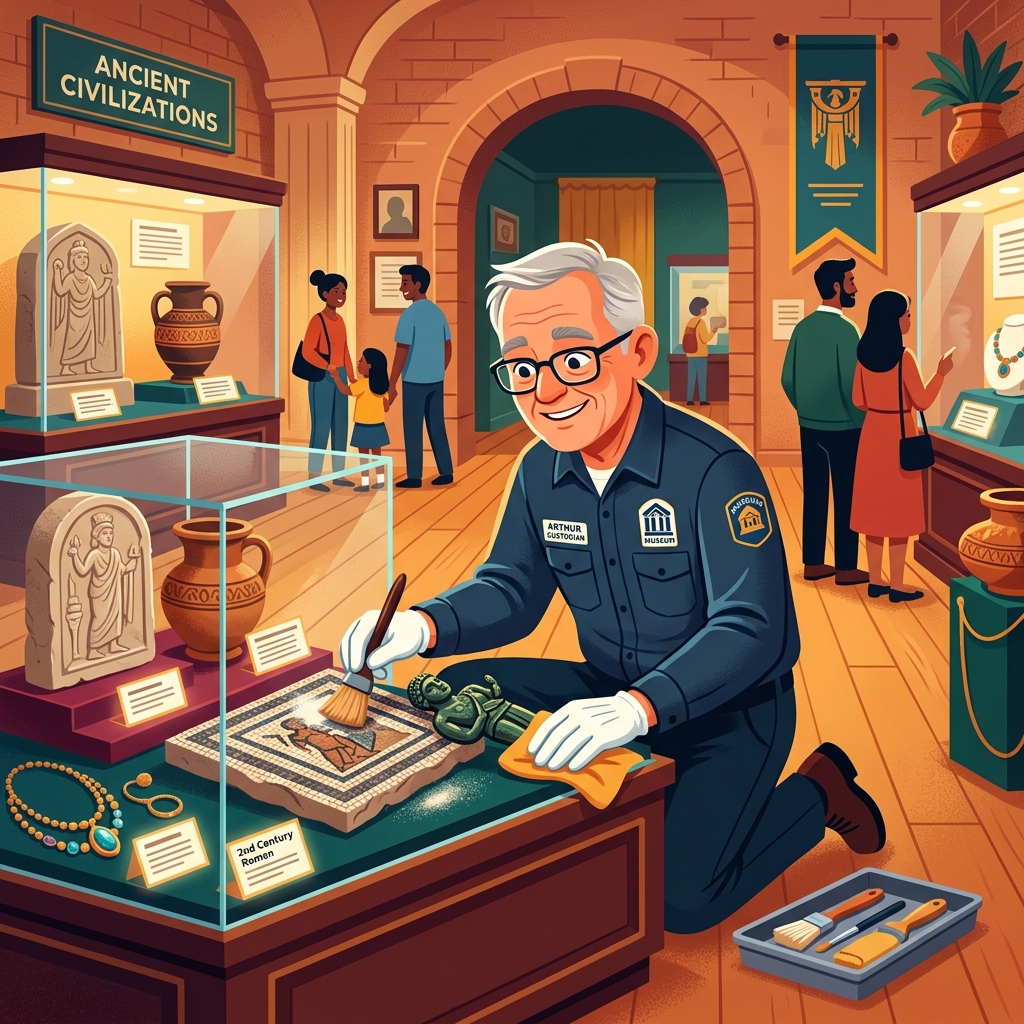 | noun, a person who has responsibility for taking care of or protecting something, 监管人;保管人;守护者 | The museum custodian ensured that the rare artifacts remained safe overnight. | 博物馆保管员确保珍贵文物整夜安全无虞。 | ♪ Play | noun, a person employed to clean and maintain a building; a janitor, (大楼、学校等的)看管人,清洁工 | The school custodian unlocked the classrooms early every morning. | 学校看门人每天清晨很早就把教室门打开。 | ♪ Play | 2026-08-20 04:28 |
entail | /ɪnˈteɪl/ | 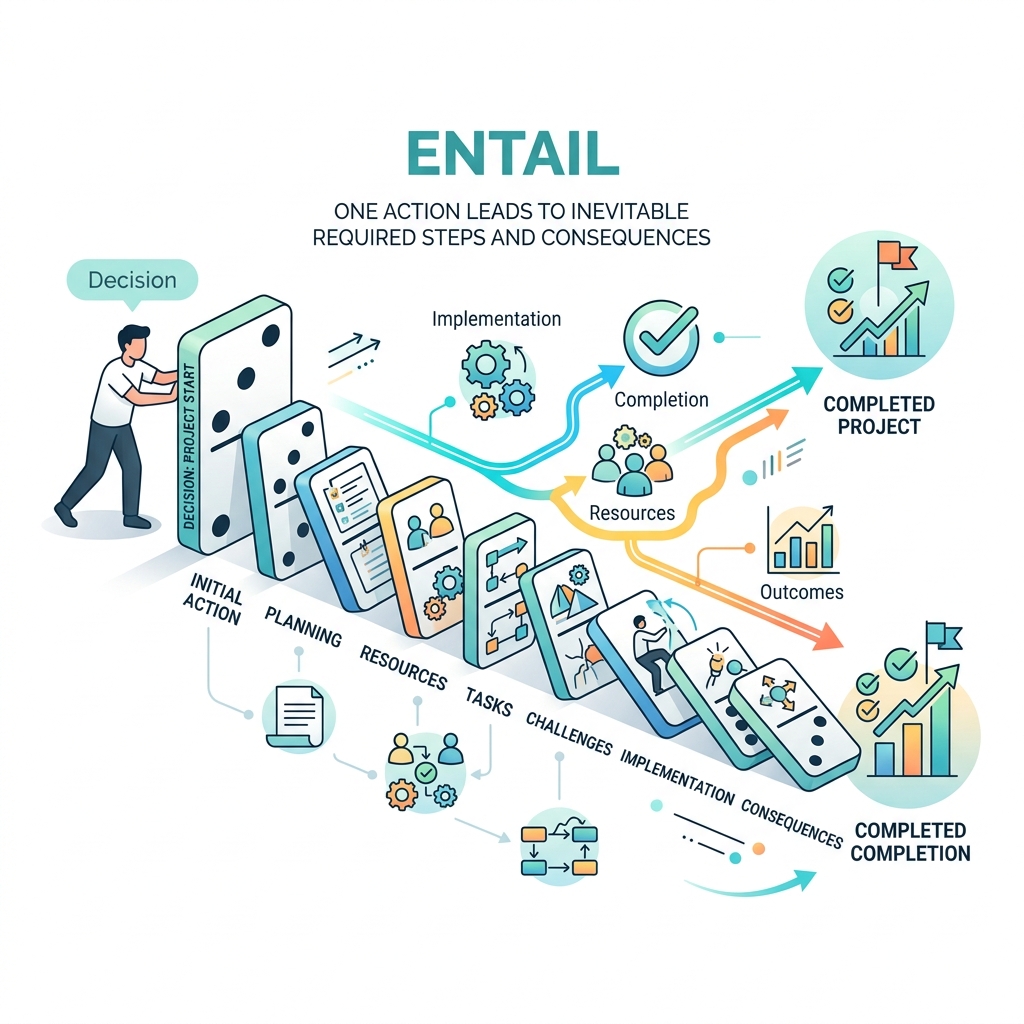 | verb, involve (something) as a necessary or inevitable part or consequence, 使必要;需要;牵涉 | The new project will entail a lot of hard work and travel. | 这个新项目将需要大量的辛勤工作和出差。 | ♪ Play | verb, settle the inheritance of (property) over a number of generations so that ownership remains within a particular group, 限定继承(财产) | The estate was entailed on the eldest son. | 这份产业被限定由长子继承。 | ♪ Play | 2026-08-20 15:34 |
drought | /draʊt/ | 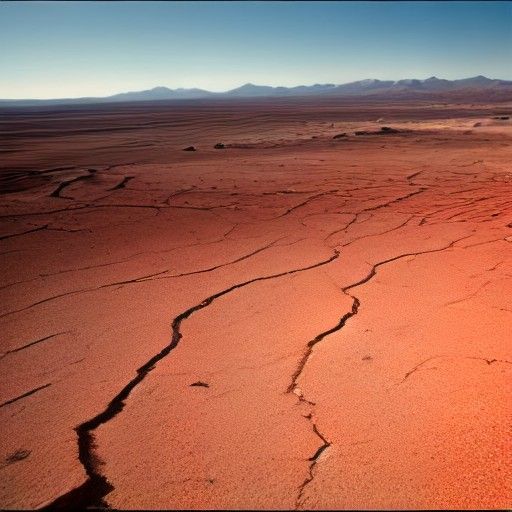 | noun, a prolonged period of abnormally low rainfall, leading to a shortage of water, 干旱;旱灾 | The severe drought ruined crops and caused widespread water shortages across the region. | 严重的干旱摧毁了农作物,并在全地区造成大范围的缺水。 | ♪ Play | noun, a prolonged absence or shortage of something, 缺乏;不足;荒 | The team finally broke their ten-year championship drought with a stunning victory. | 该队以一场精彩的胜利终于打破了长达十年的冠军荒。 | ♪ Play | 2026-08-21 14:38 |
Page 1 of 4
Next →