Kaishi 1.5k
| Word | Reading | Meaning | Word Audio | Sentence | Sentence Furigana | Sentence Meaning | Sentence Audio | Notes | Pitch Accent Notes | Frequency | Picture | Status |
|---|---|---|---|---|---|---|---|---|---|---|---|---|
私 | わたし | I (polite, general) | ♪ Play | 私はアンです。 | 私[わたし]はアンです。 | I am Ann. | ♪ Play | Can also be read わたくし (formal) and あたし (feminine).
There are rarer readings too. | 19 | 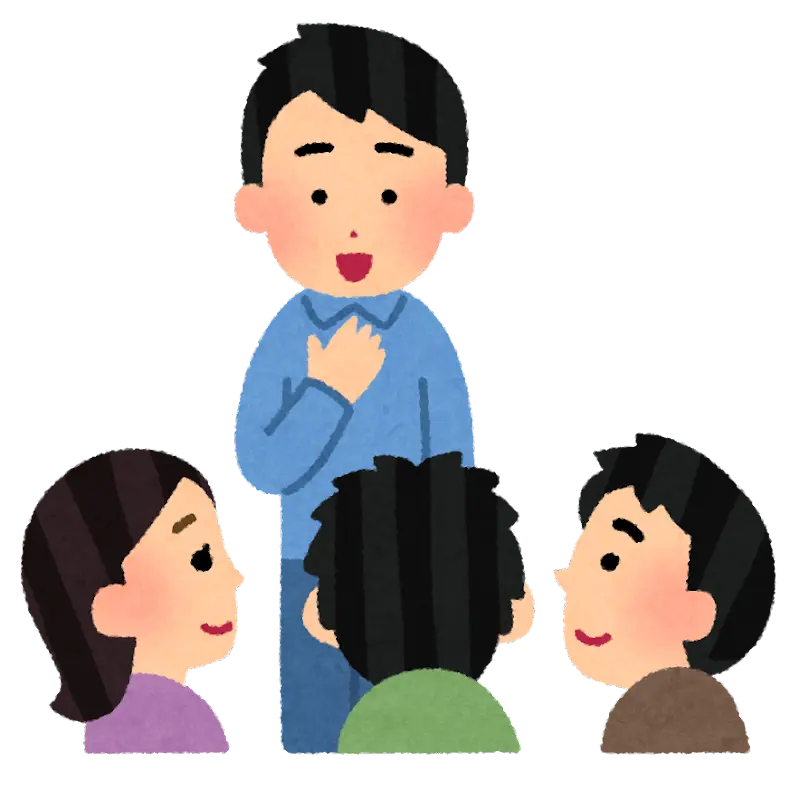 | ||
あなた | あなた | you (usually when one doesn't know the person) | ♪ Play | あなたはトムさんですか。 | あなたはトムさんですか。 | Are you Tom-san? | ♪ Play | 136 | 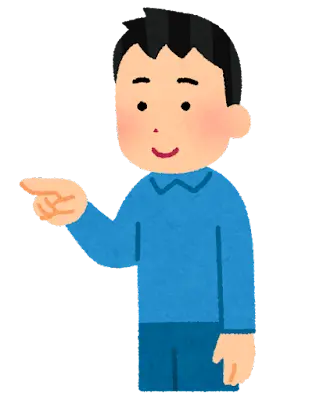 | |||
さん | さん | san | ♪ Play | あなたはトムさんですか。 | あなたはトムさんですか。 | Are you Tom-san? | ♪ Play | Most commonplace neutral polite honorific. Somewhat similar to using "M." in front of a name in English. | If the name has an accent, さん and all other honorifics are pronounced low: 高橋さん → たか\はしさん while if a name is heiban, all honorifics are also flat: 平田さん would be ひらたさん ̄. | 35 |  | |
彼 | かれ | he, him | ♪ Play | 彼はトムさんです。 | 彼[かれ]はトムさんです。 | He is Tom-san. | ♪ Play | 150 | 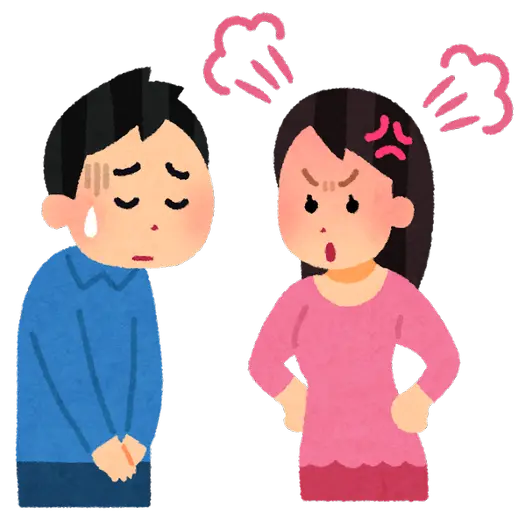 | |||
好き | すき | fond of, liked | ♪ Play | 私はワインが好きです。 | 私[わたし]はワインが好[す]きです。 | I like wine. | ♪ Play | This is not a verb, but it is often translated in English as the verb 'to like'. | 186 | 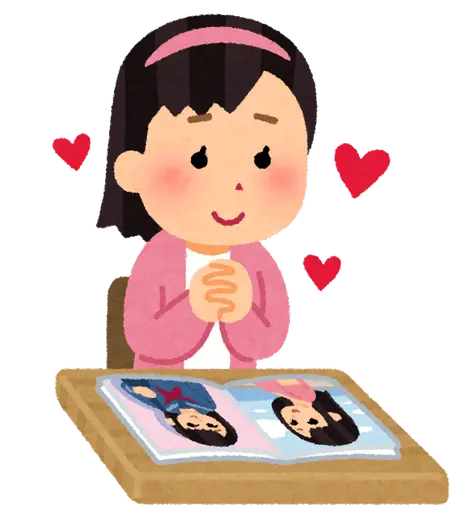 | ||
人 | ひと | person | ♪ Play | あの人はいい人です。 | あの人[ひと]はいい 人[ひと]です。 | That person is a good person. | ♪ Play | ひと\ when modified, otherwise ひと ̄ when unmodified. Note that in this case, あの人 is あの\ひと. This is an exception, その\ひと is another. | 71 |  | ||
いい | いい | good | ♪ Play | あの人はいい人です。 | あの 人[ひと]はいい 人[ひと]です。 | That person is a good person. | ♪ Play | 37 |  | |||
人 | じん | person from (nationality) | ♪ Play | 私はイギリス人です。 | 私[わたし]はイギリス人[じん]です。 | I am British. | ♪ Play | A suffix added to a country name to mean a person that is from that country. | As a suffix, drops before 人, so イギリス\人. 日本人 is an exception: (にほんじ\ん). | 71 |  | |
日本語 | にほんご | Japanese language | ♪ Play | 私は日本語を勉強しています。 | 私[わたし]は日本[にほん] 語[ご]を 勉[べん] 強[きょう]しています。 | I'm studying Japanese. | ♪ Play | 5,442 | 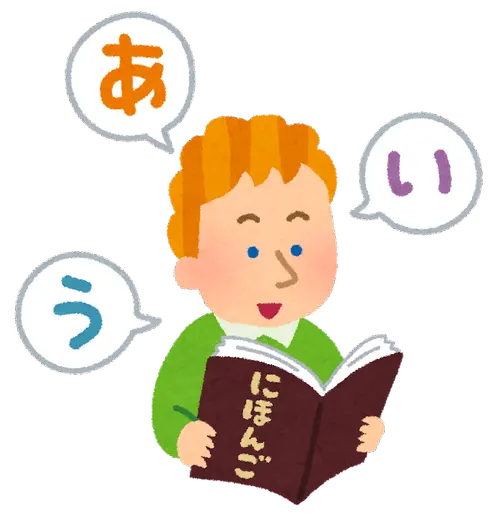 | |||
勉強 | べんきょう | study | ♪ Play | 私は日本語を勉強しています。 | 私[わたし]は 日本[にほん] 語[ご]を勉[べん] 強[きょう]しています。 | I'm studying Japanese. | ♪ Play | 925 | 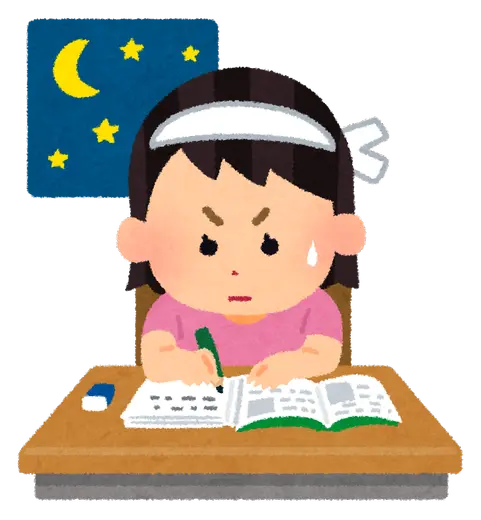 | |||
本 | ほん | book | ♪ Play | いい本でしたね。 | いい本[ほん]でしたね。 | It was a good book, wasn't it? | ♪ Play | 499 | 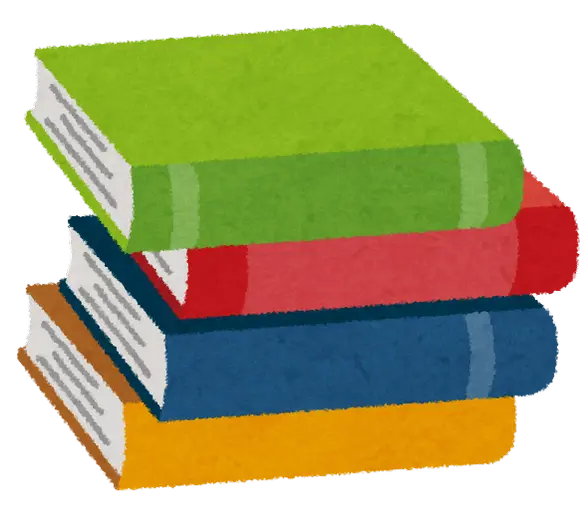 | |||
これ | これ | this | ♪ Play | これは日本語の本です。 | これは 日本[にほん] 語[ご]の 本[ほん]です。 | This is a Japanese book. | ♪ Play | 40 | 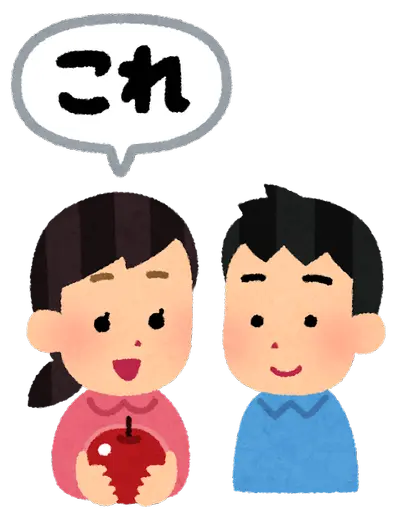 | |||
何 | なに・なん | what | ♪ Play | A「これは何ですか。」
B「本です。」 | A「これは何[なん]ですか。」
B「 本[ほん]です。」 | A: What is this?
B: It's a book. | ♪ Play | Can be read either なに or なん. | 62 | 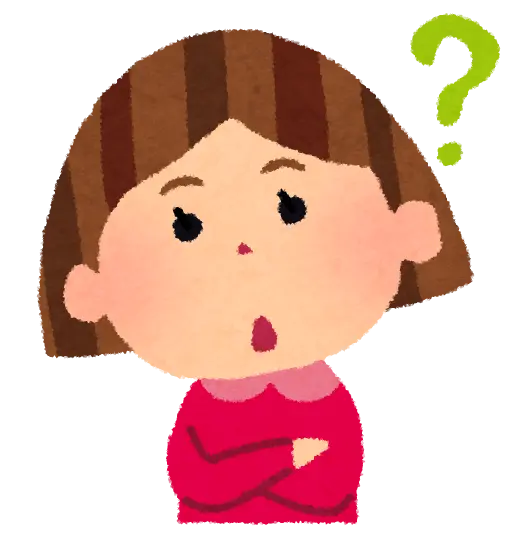 | ||
それ | それ | that | ♪ Play | それは本です。 | それは 本[ほん]です。 | That is a book. | ♪ Play | 17 | 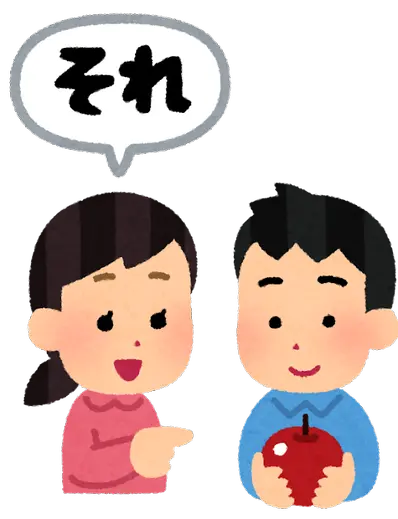 | |||
あれ | あれ | that over there | ♪ Play | あれは何ですか。 | あれは 何[なん]ですか。 | What's that? | ♪ Play | 129 | 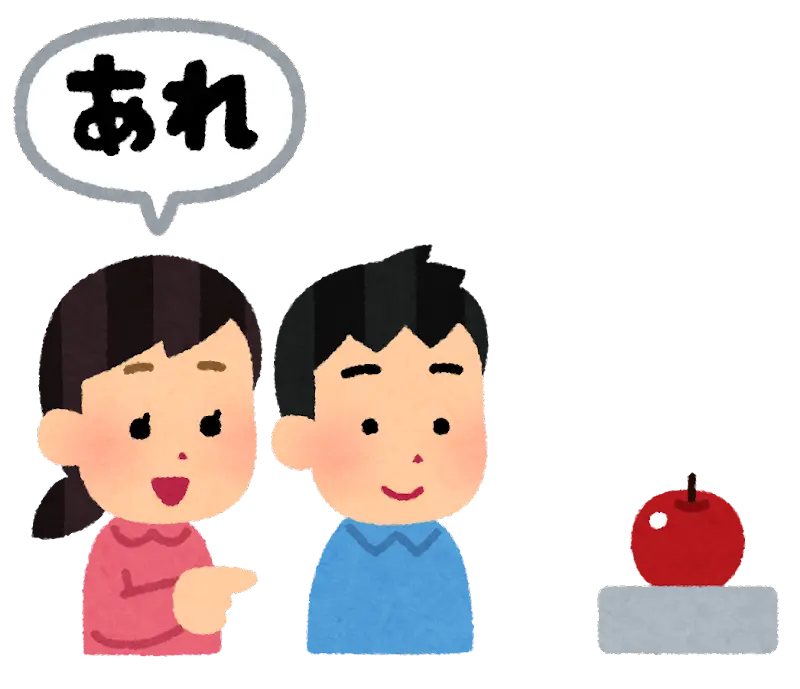 | |||
どれ | どれ | which, what | ♪ Play | どれが好きですか。 | どれが 好[す]きですか。 | Which would you like? | ♪ Play | 930 | 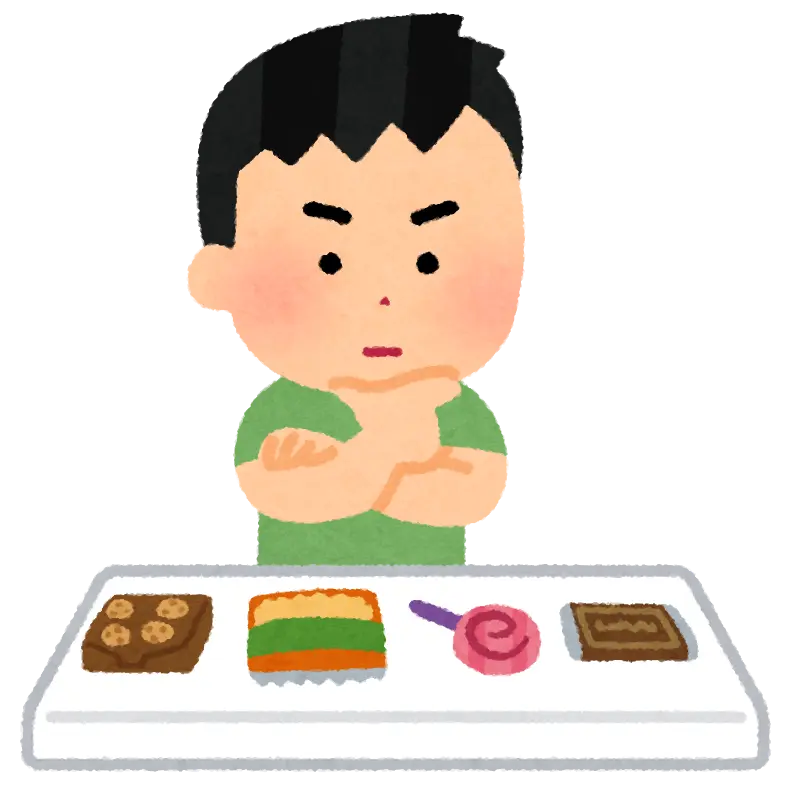 | |||
毎日 | まいにち | every day | ♪ Play | 毎日、日本語を勉強します。 | 毎[まい] 日[にち]、 日本[にほん] 語[ご]を 勉[べん] 強[きょう]します。 | I study Japanese every day. | ♪ Play | 877 | 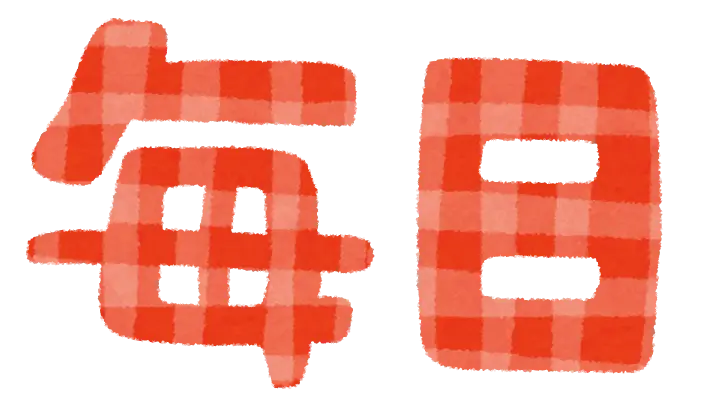 | |||
兄 | あに | older brother | ♪ Play | これは兄のパソコンです。 | これは兄[あに]のパソコンです。 | This is my older brother's personal computer. | ♪ Play | 980 | 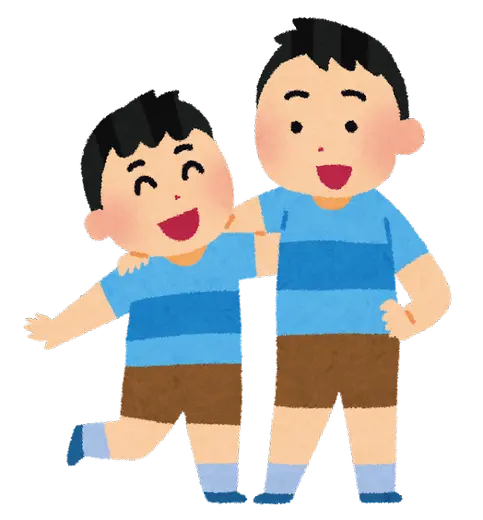 | |||
いる | いる | to have, to exist (animate) | ♪ Play | 兄がいます。 | 兄[あに]がいます。 | I have an older brother. | ♪ Play | 21 | 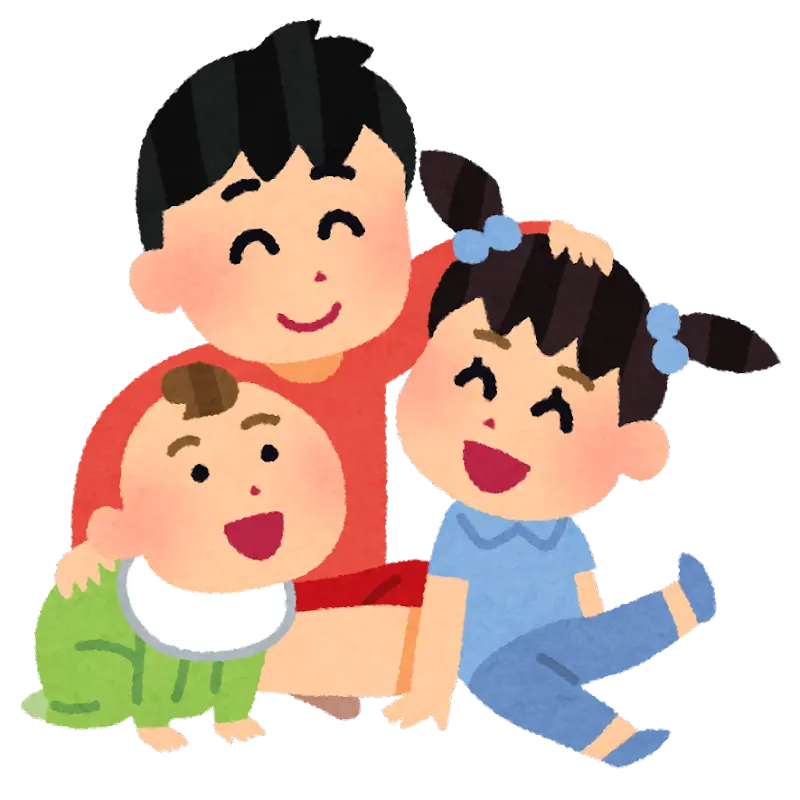 | |||
ある | ある | to have, to exist (inanimate) | ♪ Play | ペンがある。 | ペンがある。 | There is a pen. | ♪ Play | 16 | 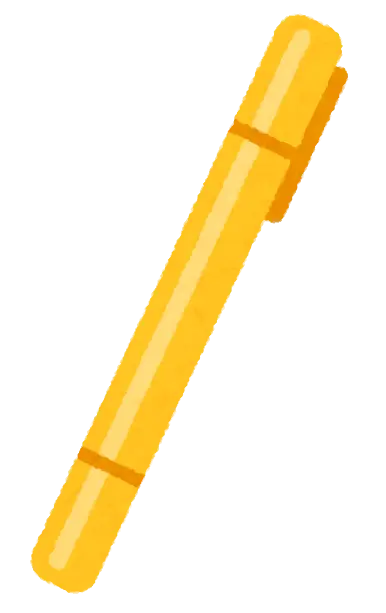 | |||
あまり | あまり | (not) very, (not) much | ♪ Play | スポーツはあまり好きじゃありません。 | スポーツはあまり 好[す]きじゃありません。 | I don't really like sports. | ♪ Play | 388 |  | |||
今 | いま | now | ♪ Play | 彼は今、勉強しています。 | 彼[かれ]は今[いま]、 勉[べん] 強[きょう]しています。 | He's studying now. | ♪ Play | 64 | 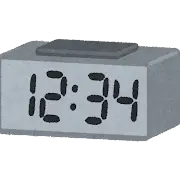 | |||
時間 | じかん | time, hour | ♪ Play | 今は時間がありません。 | 今[いま]は時[じ] 間[かん]がありません。 | I don't have time now. | ♪ Play | 164 | 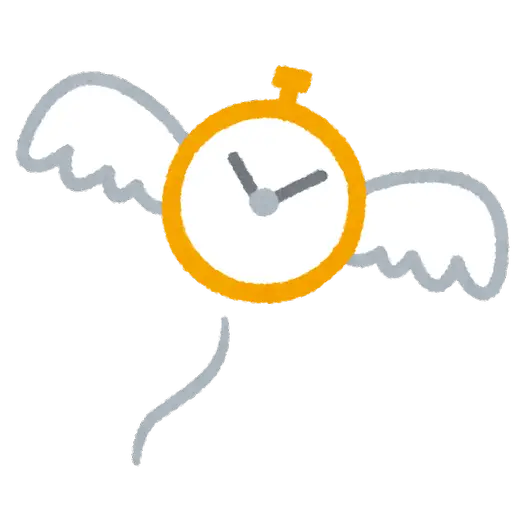 | |||
無い | ない | nonexistent, not being | ♪ Play | 今はあまり時間が無いのです。 | 今[いま]はあまり 時[じ] 間[かん]が無[な]いのです。 | I don't have much time now. | ♪ Play | This is often used as the negative form of the verb ある. See a grammar book for more details on how to use it. | 33 | 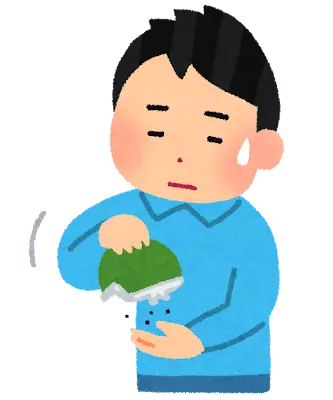 | ||
この | この | this one | ♪ Play | 山田さんの本はどれですか。この本ですか。 | 山[やま] 田[だ]さんの 本[ほん]はどれですか。この 本[ほん]ですか。 | Which book is Yamada-san's? Is it this book? | ♪ Play | 30 |  | |||
その | その | that one | ♪ Play | その本ですか。 | その 本[ほん]ですか。 | Is it that book? | ♪ Play | 28 | 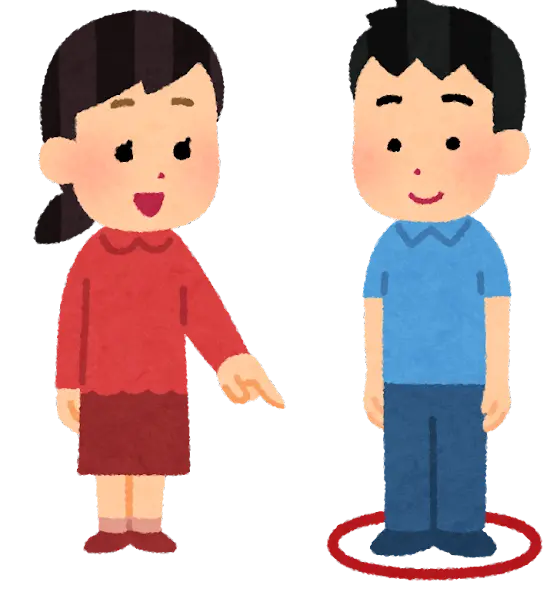 | |||
あの | あの | that one there | ♪ Play | あの本ですか。 | あの 本[ほん]ですか。 | That book (over there)? | ♪ Play | 53 | 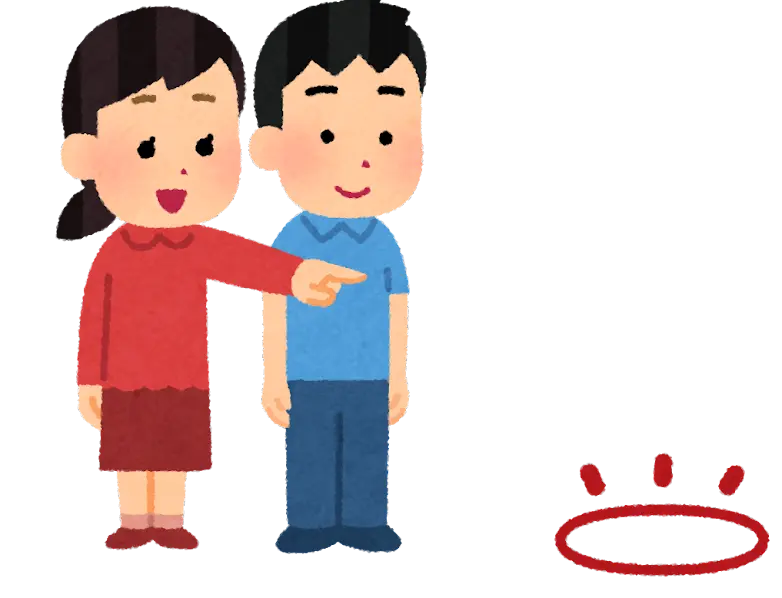 | |||
どの | どの | which one | ♪ Play | どの本ですか。 | どの 本[ほん]ですか。 | Which book is it? | ♪ Play | 1,398 | 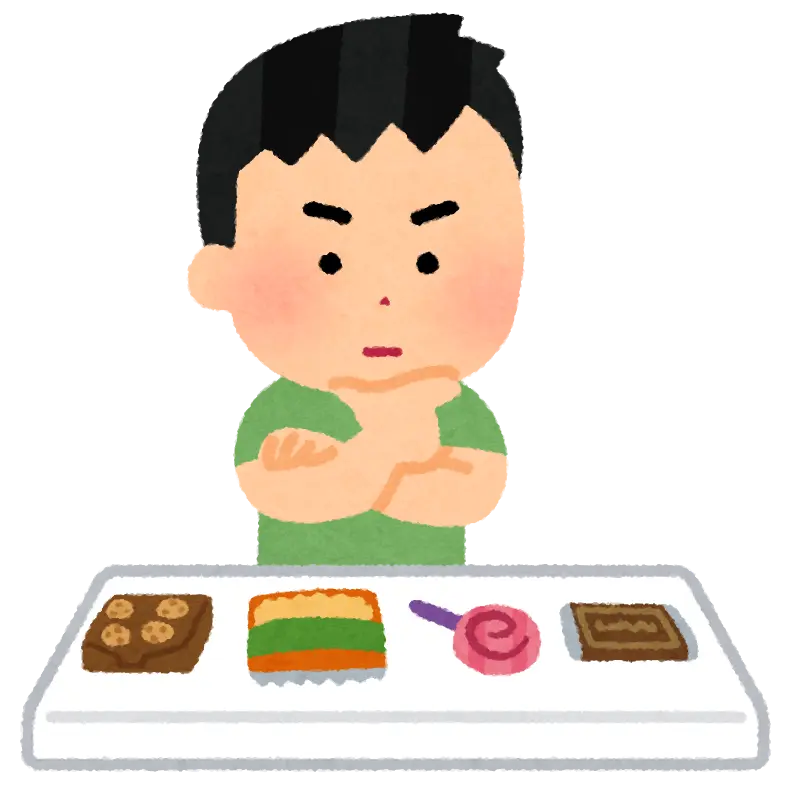 | |||
見る | みる | to see, to look at | ♪ Play | 兄は毎日テレビを見ます。 | 兄[あに]は 毎[まい] 日[にち]テレビを見[み]ます。 | My older brother watches TV every day. | ♪ Play | 38 | 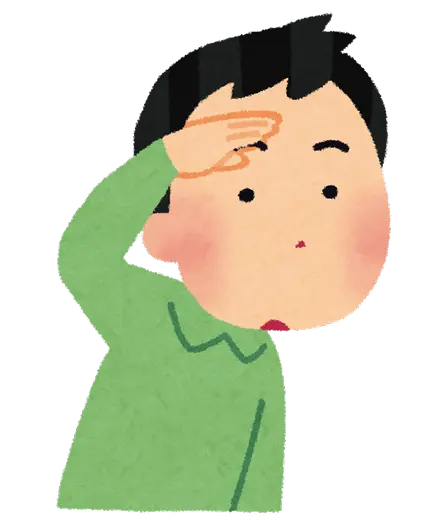 | |||
全然 | ぜんぜん | (not) at all | ♪ Play | テレビを全然見ません。 | テレビを全[ぜん] 然[ぜん] 見[み]ません。 | I never watch television. | ♪ Play | 550 | 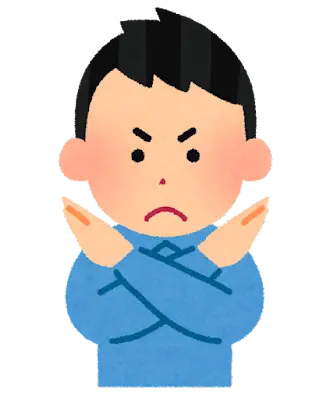 | |||
面白い | おもしろい | interesting, amusing | ♪ Play | この本は全然面白くなかった。 | この 本[ほん]は 全[ぜん] 然[ぜん]面[おも] 白[しろ]くなかった。 | This book wasn't interesting at all. | ♪ Play | 603 | 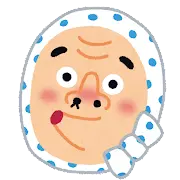 | |||
する | する | to do, to make | ♪ Play | 彼はテニスをします。 | 彼[かれ]はテニスをします。 | He plays tennis (lit: "He does tennis"). | ♪ Play | 12 | 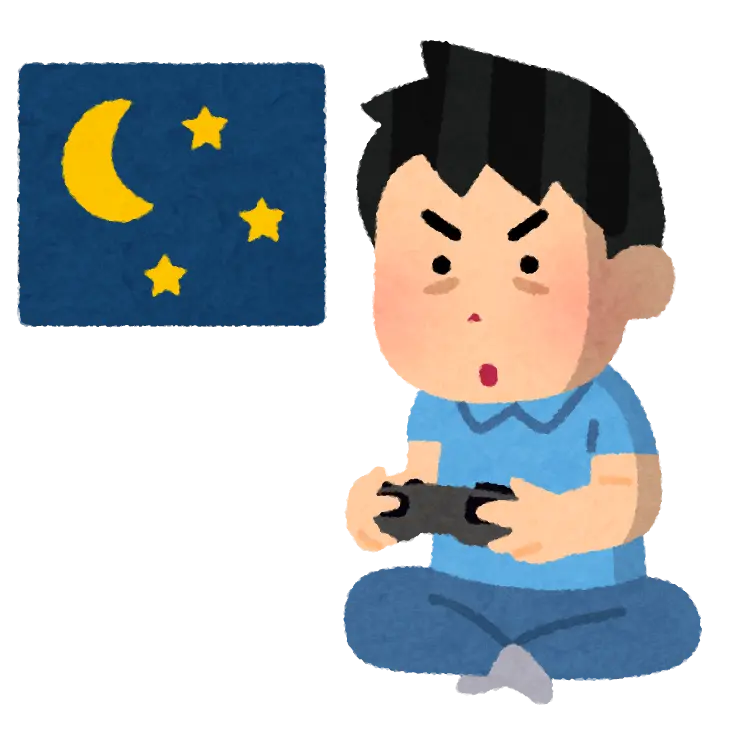 | |||
なる | なる | to become, to result in, to come (to do) | ♪ Play | 日本語の勉強が好きになりました。 | 日本[にほん] 語[ご]の 勉[べん] 強[きょう]が 好[す]きになりました。 | I have come to like Japanese study. | ♪ Play | This verb has many meanings and will take some time to assimilate properly. | 15 | 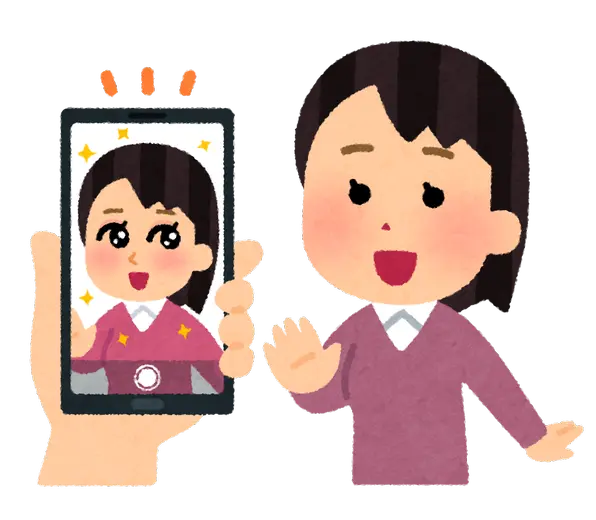 | ||
先生 | せんせい | teacher | ♪ Play | 私は日本語の先生になりたいです。 | 私[わたし]は 日本[にほん] 語[ご]の先[せん] 生[せい]になりたいです。 | I want to become a Japanese teacher. | ♪ Play | 277 |  | |||
ください | ください | please give..., please do... | ♪ Play | コーヒーをください。 | コーヒーをください。 | Please give me a coffee. | ♪ Play | 172 | 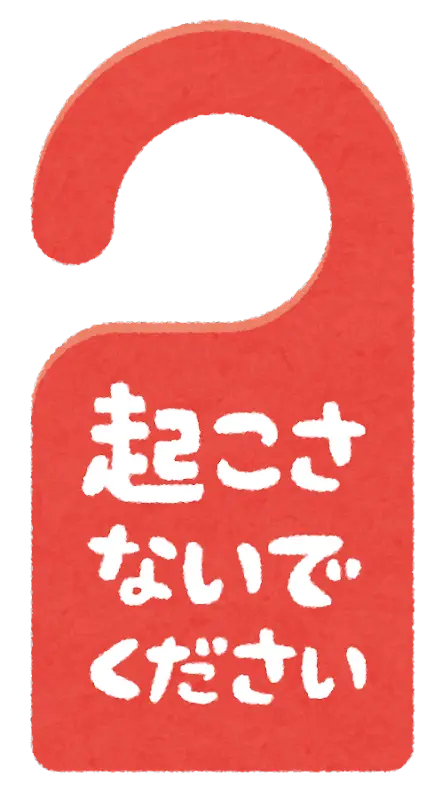 | |||
名前 | なまえ | name | ♪ Play | あなたの名前を教えてください。 | あなたの名[な] 前[まえ]を 教[おし]えてください。 | Please tell me your name. | ♪ Play | 264 |  | |||
教える | おしえる | to teach, to tell | ♪ Play | あなたの名前を教えてください。 | あなたの 名[な] 前[まえ]を教[おし]えてください。 | Please tell me your name. | ♪ Play | 257 | 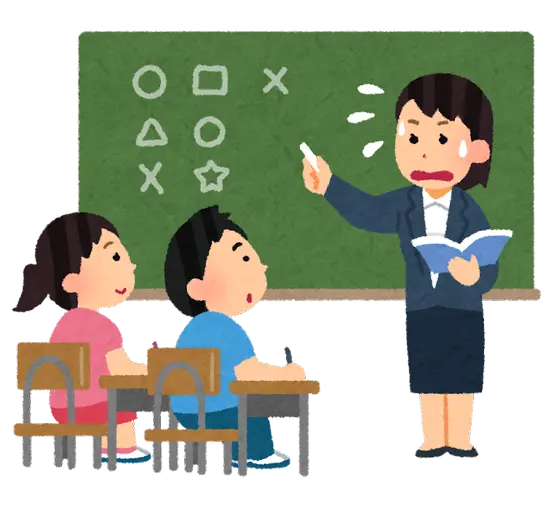 | |||
ここ | ここ | here | ♪ Play | ここに本があります。 | ここに 本[ほん]があります。 | There's a book here. | ♪ Play | 59 | 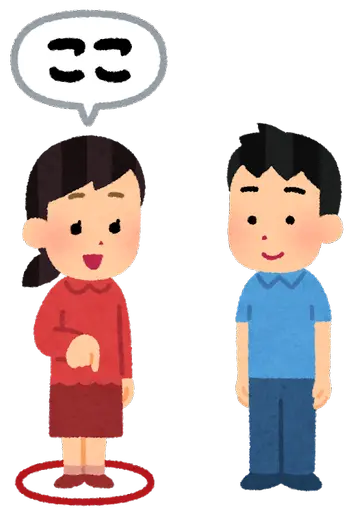 | |||
そこ | そこ | there | ♪ Play | そこはトイレです。 | そこはトイレです。 | There is the bathroom. | ♪ Play | 110 | 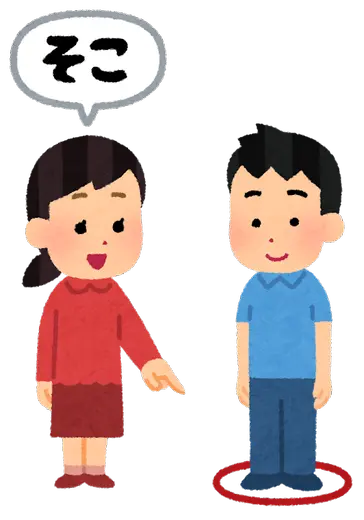 | |||
あそこ | あそこ | over there | ♪ Play | 彼はあそこにいます。 | 彼[かれ]はあそこにいます。 | He is over there. | ♪ Play | 840 | 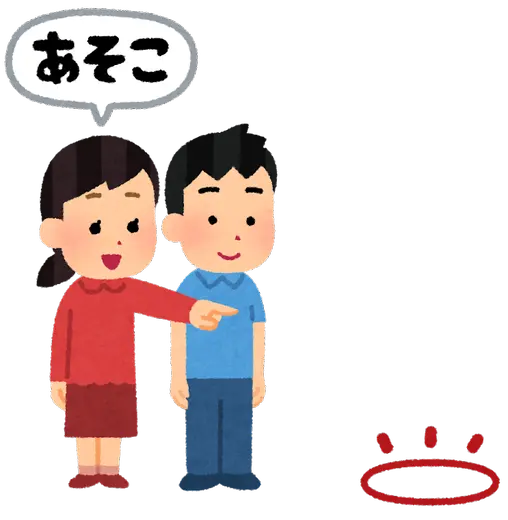 | |||
どこ | どこ | where | ♪ Play | あの本をどこに置きましたか。 | あの 本[ほん]をどこに 置[お]きましたか。 | Where did you put that book? | ♪ Play | 182 |  | |||
置く | おく | to put, to place | ♪ Play | あの本をどこに置きましたか。 | あの 本[ほん]をどこに置[お]きましたか。 | Where did you put that book? | ♪ Play | 194 | 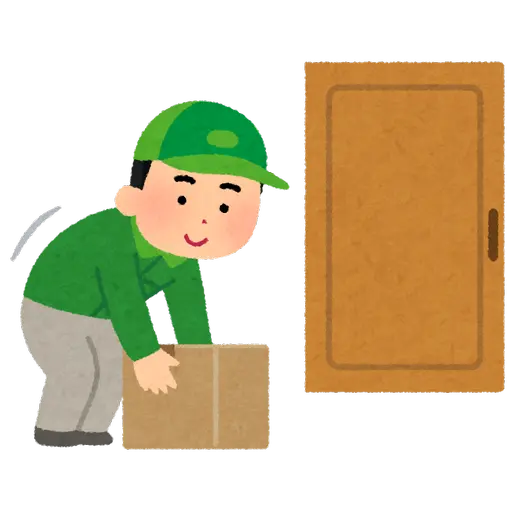 | |||
家 | いえ | house, home | ♪ Play | ここが私の家です。 | ここが 私[わたし]の家[いえ]です。 | This is my house. | ♪ Play | Can also be read うち. | 168 | 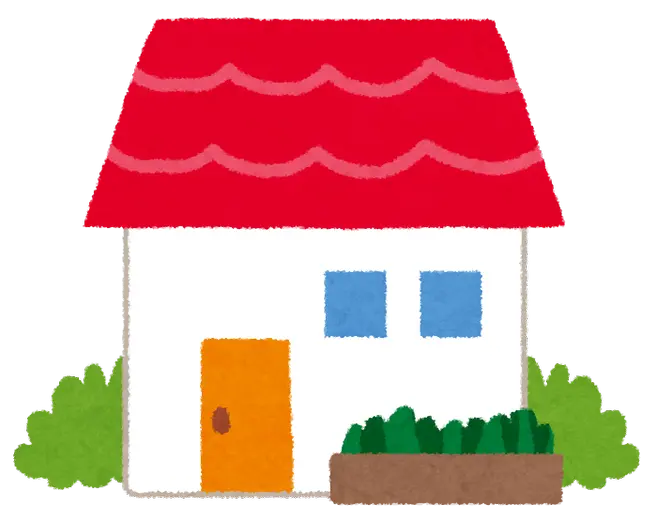 | ||
帰る | かえる | to return, to go back | ♪ Play | 家に帰ろう。 | 家[うち]に帰[かえ]ろう。 | Let's go home. | ♪ Play | 220 |  | |||
話 | はなし | talk, story | ♪ Play | あなたの話は面白いね。 | あなたの話[はなし]は 面[おも] 白[しろ]いね。 | Your story is interesting. | ♪ Play | 101 | 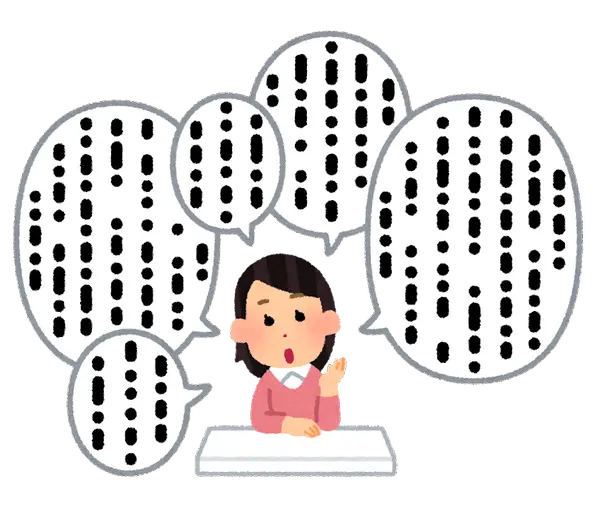 | |||
知る | しる | to know | ♪ Play | あの人を知っていますか。 | あの 人[ひと]を知[し]っていますか。 | Do you know that person? | ♪ Play | 68 | 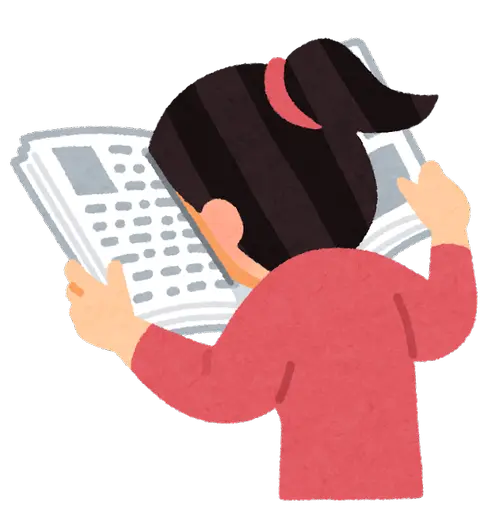 | |||
彼女 | かのじょ | she, her, girlfriend | ♪ Play | 彼女の名前を知っていますか。 | 彼[かの] 女[じょ]の 名[な] 前[まえ]を 知[し]っていますか。 | Do you know her name? | ♪ Play | 100 | 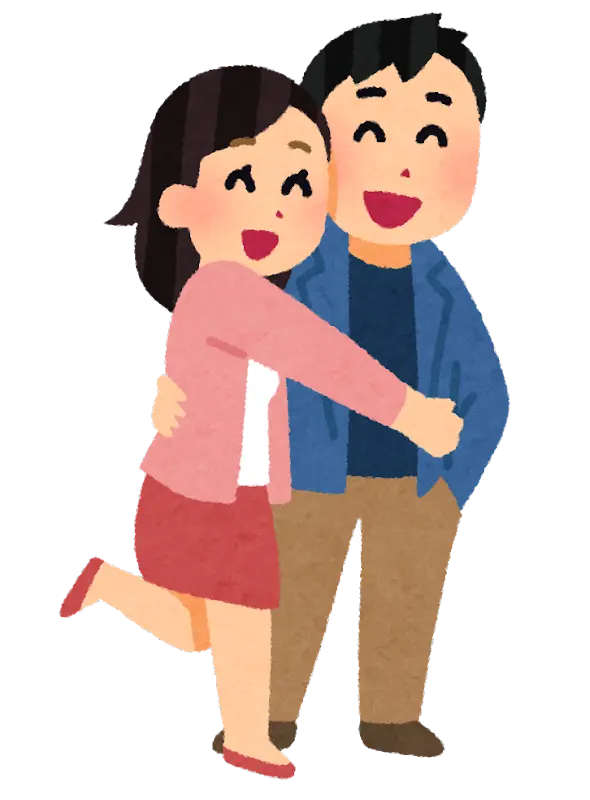 | |||
ちゃん | ちゃん | chan | ♪ Play | 彼女はララちゃんです。 | 彼[かの] 女[じょ]はララちゃんです。 | She is Lara-chan. | ♪ Play | Honorific usually used to show endearment, especially with girls and small children. | If the name has an accent, ちゃん and all other honorifics are pronounced low: 高橋ちゃん → たか\はしちゃん, while if a name is heiban, all honorifics are also flat so 平田ちゃん would be ひらたちゃん ̄. | 120 | 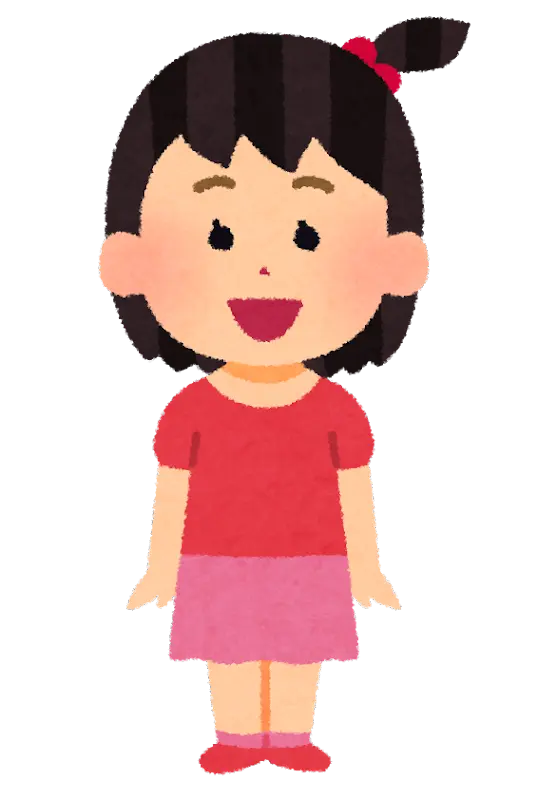 | |
はい | はい | yes (polite) | ♪ Play | A「山田さんですか。」
B「はい。」 | A「 山[やま] 田[だ]さんですか。」
B「はい。」 | A: Are you Yamada-san?
B: Yes, I am. | ♪ Play | 92 |  | |||
いいえ | いいえ | no (polite) | ♪ Play | A「山田さんですか。」
B「いいえ。」 | A「 山[やま] 田[だ]さんですか。」
B「いいえ。」 | A: Are you Yamada-san?
B: No, I'm not. | ♪ Play | 8,787 |  |
Page 1 of 30
Next →