Kaishi 1.5k
| Word | Reading | Meaning | Word Audio | Sentence | Sentence Furigana | Sentence Meaning | Sentence Audio | Notes | Pitch Accent Notes | Frequency | Picture | Status |
|---|---|---|---|---|---|---|---|---|---|---|---|---|
日本 | にほん | Japan | ♪ Play | 日本のゲームは面白いです。 | 日本[にほん]のゲームは 面[おも] 白[しろ]いです。 | Japanese games are fun. | ♪ Play | Can be read either にほん or にっぽん. | 1,026 | 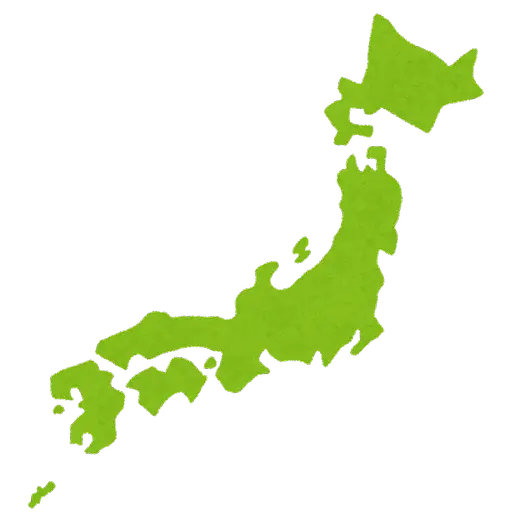 | ||
学校 | がっこう | school | ♪ Play | 学校は日本にあります。 | 学[がっ] 校[こう]は 日本[にほん]にあります。 | The school is in Japan. | ♪ Play | 563 | 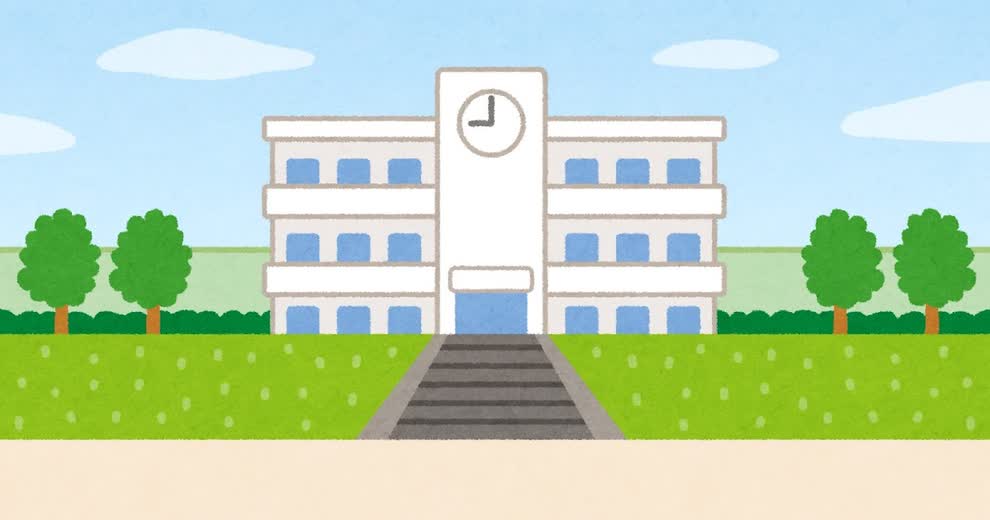 | |||
行く | いく | to go | ♪ Play | 学校へ行きます。 | 学[がっ] 校[こう]へ行[い]きます。 | I will go to school. | ♪ Play | 58 |  | |||
明日 | あした | tomorrow | ♪ Play | 明日、学校へ行きます。 | 明日[あした]、 学[がっ] 校[こう]へ 行[い]きます。 | Tomorrow, I will go to school. | ♪ Play | Can be read あす as well. | 423 |  | ||
来る | くる | to come | ♪ Play | 明日、来ますか。 | 明日[あした]、来[き]ますか。 | Will you come tomorrow? | ♪ Play | 34 |  | |||
また | また | again, also | ♪ Play | 明日、また来ます。 | 明日[あした]、また 来[き]ます。 | I'll come again tomorrow. | ♪ Play | 99 |  | |||
いつ | いつ | when | ♪ Play | 彼女はいつ来ますか。 | 彼[かの] 女[じょ]はいつ 来[き]ますか。 | When is she coming? | ♪ Play | 407 |  | |||
思う | おもう | to think | ♪ Play | これがいいと思います。 | これがいいと思[おも]います。 | I think this is good. | ♪ Play | 25 |  | |||
こう | こう | like this, this kind of | ♪ Play | こうしましょう。 | こうしましょう。 | Let’s do this (“this way”). | ♪ Play | We have こ\う as a noun, こう ̄ as an adverb, but こ\う if any particles follow it. | 211 |  | ||
そう | そう | in such manner, that way | ♪ Play | 私もそう思います。 | 私[わたし]もそう 思[おも]います。 | That's what I think too. | ♪ Play | そ\う as a noun, そう ̄ as an adverb, but そ\う if any particles follow it. | 31 |  | ||
どう | どう | how, what | ♪ Play | あなたはどう思いますか。 | あなたはどう 思[おも]いますか。 | What do you think? | ♪ Play | There is an exception with どうにもなら\ない. | 88 |  | ||
会う | あう | to meet | ♪ Play | 明日、彼と会います。 | 明日[あした]、 彼[かれ]と会[あ]います。 | I will meet him tomorrow. | ♪ Play | 210 |  | |||
次 | つぎ | next, subsequent | ♪ Play | 次はいつ会いましょうか。 | 次[つぎ]はいつ 会[あ]いましょうか。 | When next shall we meet? | ♪ Play | This word is an example of Japanese nasalization, where /g/ sounds can sound closer to
/n/ or /m/. Please see this video
for an explanation of how this works. | 234 |  | ||
方 | ほう | direction, side | ♪ Play | 彼は私の方を見ました。 | 彼[かれ]は 私[わたし]の方[ほう]を 見[み]ました。 | He looked in my direction. | ♪ Play | 135 | 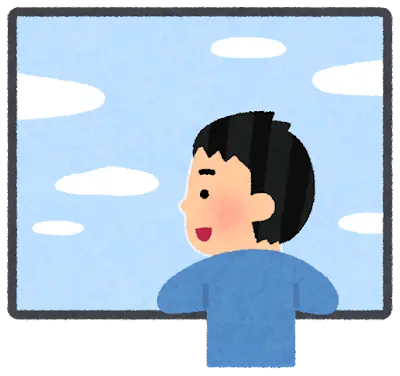 | |||
方 | かた | person (polite form) | ♪ Play | 次の方、どうぞ。 | 次[つぎ]の方[かた]、どうぞ。 | The next person, please. | ♪ Play | 135 |  | |||
聞く | きく | to hear | ♪ Play | 彼女はラジオを聞いています。 | 彼[かの] 女[じょ]はラジオを聞[き]いています。 | She's listening to the radio. | ♪ Play | 67 | 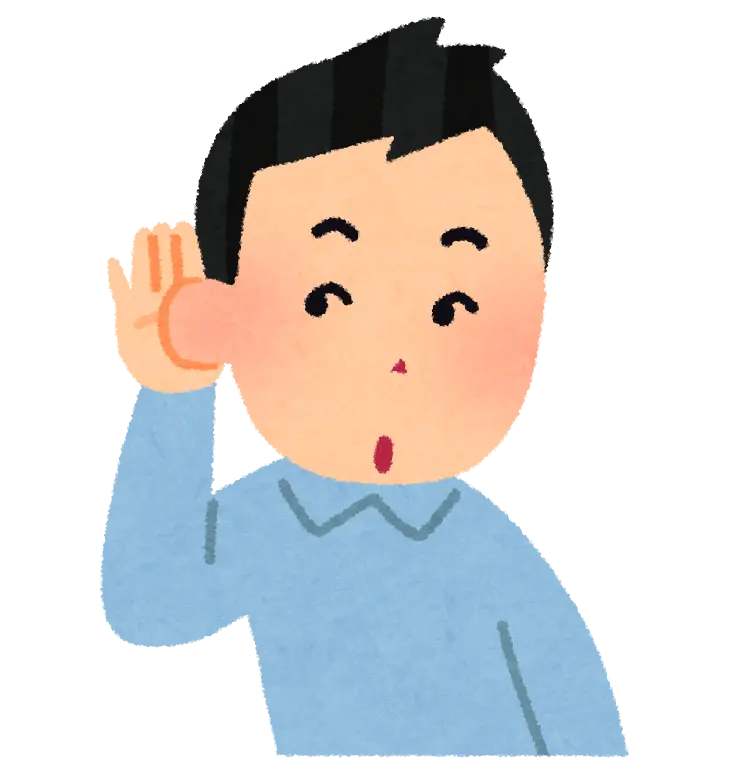 | |||
聞く | きく | to ask | ♪ Play | トムに聞いて。 | トムに聞[き]いて。 | Ask Tom. | ♪ Play | 67 | 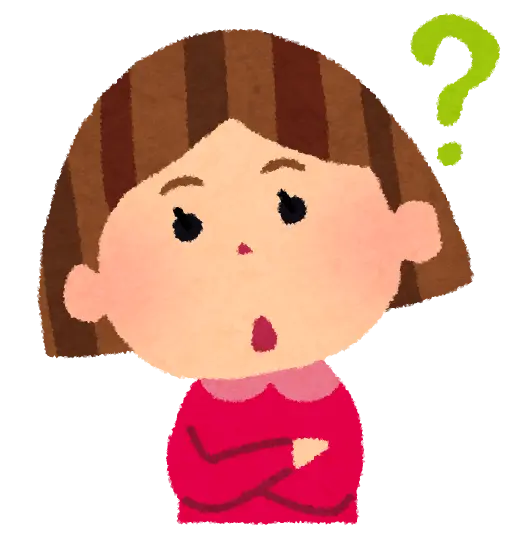 | |||
お願いします | おねがいします | please | ♪ Play | A「これでお願いします。」
B「はい。」 | A「これでお 願[ねが]いします。」
B「はい。」 | A: This one, please.
B: Okay. | ♪ Play | Often you can't hear the drop that well, it almost sounds flat. | 1,069 |  | ||
分かる | わかる | to understand | ♪ Play | 日本語のニュースが全然分かりませんでした。 | 日本[にほん] 語[ご]のニュースが 全[ぜん] 然[ぜん]分[わ]かりませんでした。 | I didn't understand the Japanese news at all. | ♪ Play | 142 |  | |||
よく | よく | well | ♪ Play | よく分かりました。 | よく 分[わ]かりました。 | I understood well. | ♪ Play | 180 |  | |||
よく | よく | often | ♪ Play | ジャズのCDをよく聞きます。 | ジャズのCDをよく 聞[き]きます。 | I listen to Jazz CDs often. | ♪ Play | 180 |  | |||
考える | かんがえる | to think, to consider | ♪ Play | よく考えてください。 | よく考[かんが]えてください。 | Please think carefully. | ♪ Play | 91 |  | |||
ありがとうございます | ありがとうございます | thank you (formal) | ♪ Play | そうですか。分かりました。ありがとうございます。 | そうですか。 分[わ]かりました。ありがとうございます。 | Is that so? I understand. Thank you. | ♪ Play | Often times, you cannot really hear the drop on ま that much, but it's there. | 630 |  | ||
話す | はなす | to talk, to speak | ♪ Play | 先生と日本語で話します。 | 先[せん] 生[せい]と 日本[にほん] 語[ご]で話[はな]します。 | I speak Japanese with the teacher. | ♪ Play | 206 |  | |||
もっと | もっと | more, a bit more | ♪ Play | もっと勉強しなければいけないと思った。 | もっと 勉[べん] 強[きょう]しなければいけないと 思[おも]った。 | I thought that I would have to study more. | ♪ Play | 200 |  | |||
ゆっくり | ゆっくり | slowly | ♪ Play | もっとゆっくり話してください。 | もっとゆっくり 話[はな]してください。 | Please speak more slowly. | ♪ Play | 339 |  | |||
言う | いう | to say | ♪ Play | ゆっくり言ってください。 | ゆっくり言[い]ってください。 | Please say it slowly. | ♪ Play | 20 |  | |||
友達 | ともだち | friend, companion | ♪ Play | 友達とレストランに行きました。 | 友[とも] 達[だち]とレストランに 行[い]きました。 | I went to the restaurant with my friend. | ♪ Play | 572 |  | |||
待つ | まつ | to wait | ♪ Play | 1時間友達を待ちました。 | 1[いち] 時[じ] 間[かん] 友[とも] 達[だち]を待[ま]ちました。 | I waited for my friend for an hour. | ♪ Play | 114 |  | |||
昨日 | きのう | yesterday | ♪ Play | 昨日、友達に会った。 | 昨日[きのう]、 友[とも] 達[だち]に 会[あ]った。 | I met a friend yesterday. | ♪ Play | The word is きの\う as noun but きのう ̄ as an adverb, with exceptions きの\うは, 昨日の ̄. | 430 |  | ||
町 | まち | town, city | ♪ Play | あの町に行きました。 | あの町[まち]に 行[い]きました。 | I went to that town over there. | ♪ Play | 891 |  | |||
高い | たかい | expensive | ♪ Play | このカメラは高いですね。 | このカメラは高[たか]いですね。 | This camera is expensive. | ♪ Play | 319 |  | |||
高い | たかい | high, tall | ♪ Play | これがこの町で一番高いビルです。 | これがこの 町[まち]で 一[いち] 番[ばん]高[たか]いビルです。 | This is the tallest building in town. | ♪ Play | 319 | 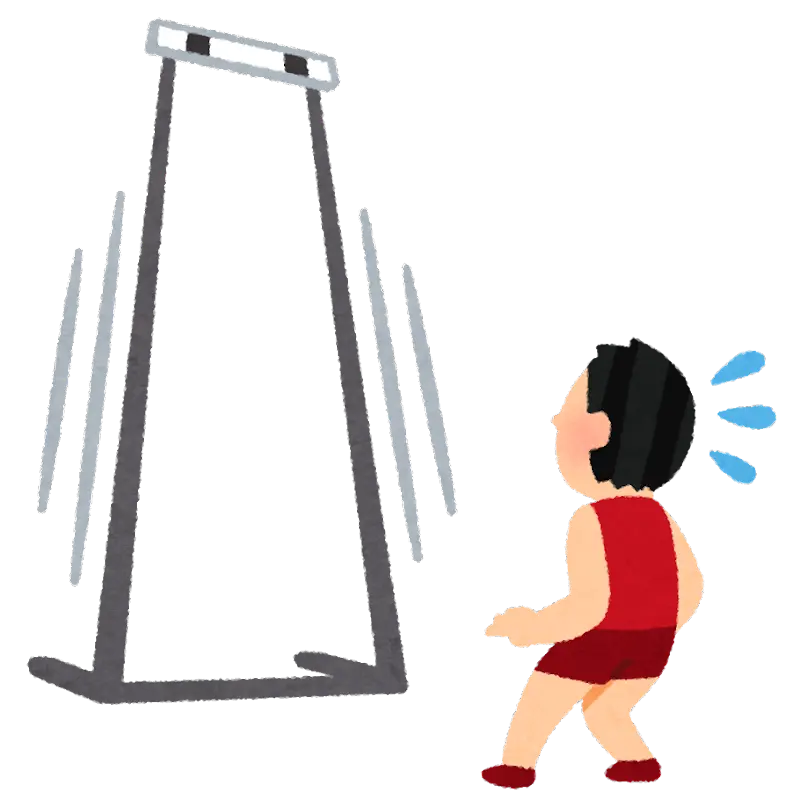 | |||
一番 | いちばん | (the) most | ♪ Play | これがこの町で一番高いビルです。 | これがこの 町[まち]で一[いち] 番[ばん] 高[たか]いビルです。 | This is the tallest building in this town. | ♪ Play | We have いち\ばん as a noun and いちばん ̄ as an adverb. | 318 |  | ||
ちょっと | ちょっと | a little | ♪ Play | これはちょっと高いですね。 | これはちょっと 高[たか]いですね。 | This is a little expensive. | ♪ Play | There are a few exceptions: ちょっとだけ\, ちょっとした ̄. | 93 |  | ||
もう | もう | already, yet | ♪ Play | 彼はもう帰りました。 | 彼[かれ]はもう 帰[かえ]りました。 | He's already gone home. | ♪ Play | We have も\う for 'already', もう ̄ for 'another, again'. | 56 | 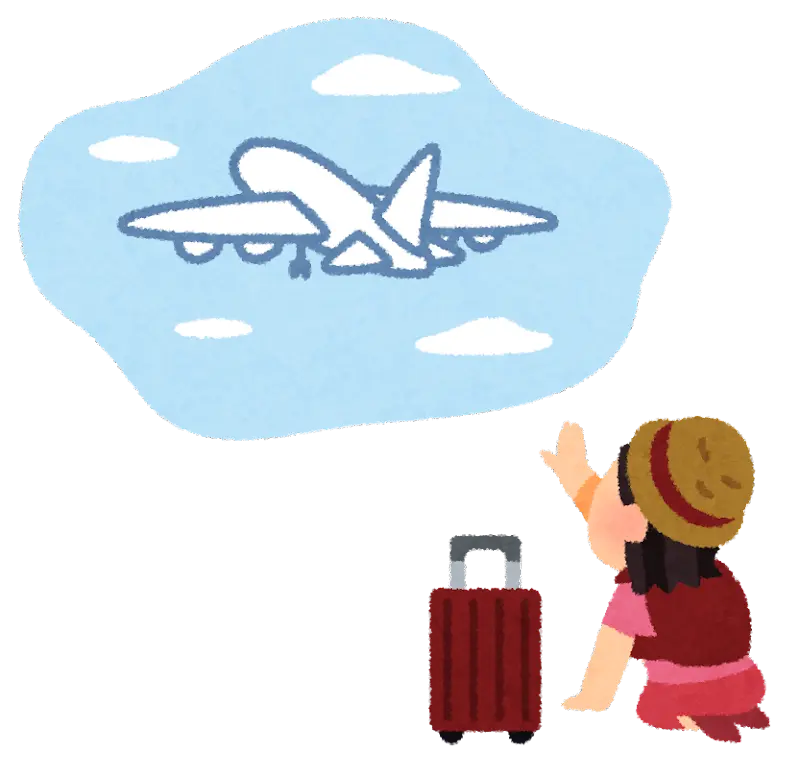 | ||
もう | もう | another, again | ♪ Play | もうちょっと食べたい。 | もうちょっと 食[た]べたい。 | I want to eat a little more. | ♪ Play | We have も\う for 'already', もう ̄ for 'another, again'. | 56 |  | ||
父 | ちち | (speaker's) father | ♪ Play | 私は父が大好きです。 | 私[わたし]は父[ちち]が 大[だい] 好[す]きです。 | I love my father. | ♪ Play | Because of the devoicing you barely hear a difference at all, but ち\ち is also fine. | 681 | 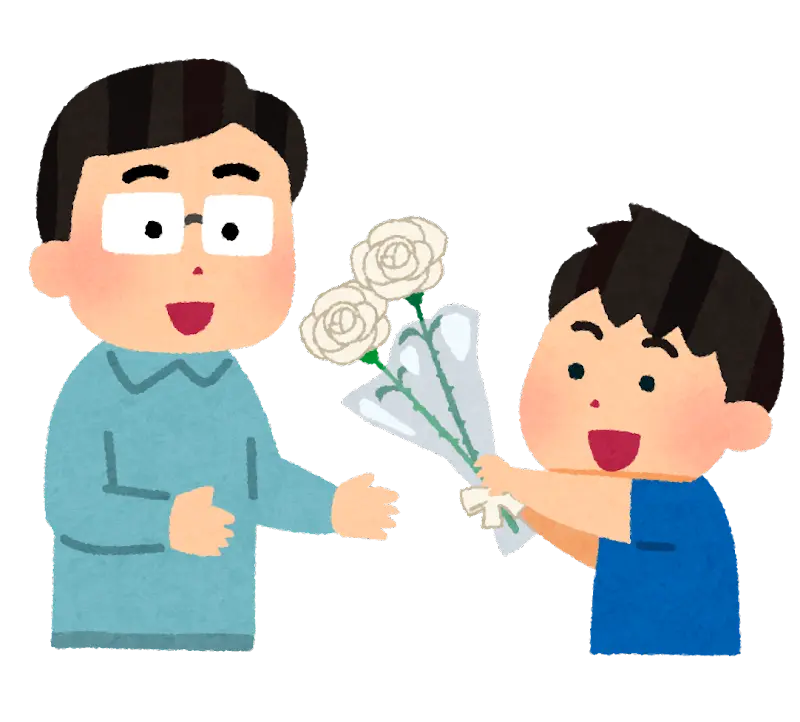 | ||
大好き | だいすき | love | ♪ Play | 私は父が大好きです。 | 私[わたし]は 父[ちち]が大[だい] 好[す]きです。 | I love my father. | ♪ Play | 916 |  | |||
母 | はは | (speaker's) mother | ♪ Play | 昨日、母と話をしました。 | 昨日[きのう]、母[はは]と 話[はなし]をしました。 | I talked to my mother yesterday. | ♪ Play | 726 | 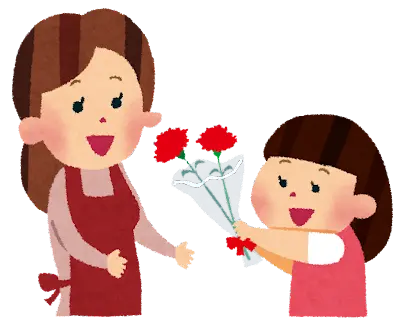 | |||
あげる | あげる | to give (receiver is not in the speaker's group) | ♪ Play | 友達にプレゼントをあげます。 | 友[とも] 達[だち]にプレゼントをあげます。 | I will give a present to my friend. | ♪ Play | This word is an example of Japanese nasalization, where /g/ sounds can sound closer to /n/ or /m/. Please see this video for an explanation of how this works. | 207 | 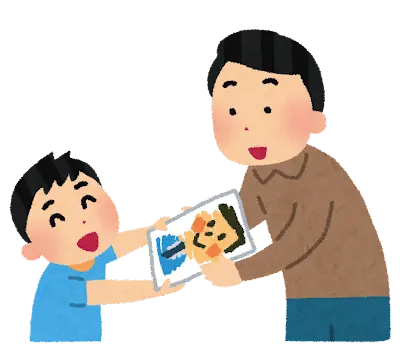 | ||
くれる | くれる | to give (receiver is in the speaker's group) | ♪ Play | 父が本をくれました。 | 父[ちち]が 本[ほん]をくれました。 | My father gave me a book. | ♪ Play | 39 | 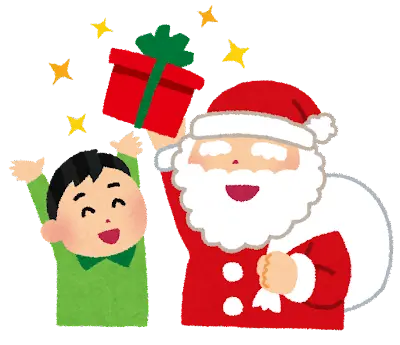 | |||
もらう | もらう | to receive | ♪ Play | 彼女からプレゼントをもらいました。 | 彼[かの] 女[じょ]からプレゼントをもらいました。 | I got a present from her. | ♪ Play | 112 | 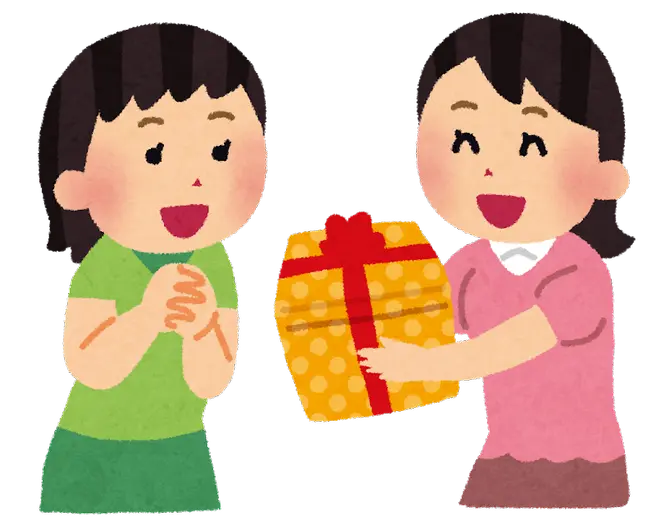 | |||
物 | もの | thing, object | ♪ Play | 色々な物をもらいました。 | 色[いろ] 々[いろ]な物[もの]をもらいました。 | I received many things. | ♪ Play | 51 |  | |||
君 | きみ | you (to someone of equal or lower status) | ♪ Play | この本を君にあげます。 | この 本[ほん]を君[きみ]にあげます。 | I'm going to give you this book. | ♪ Play | 153 | 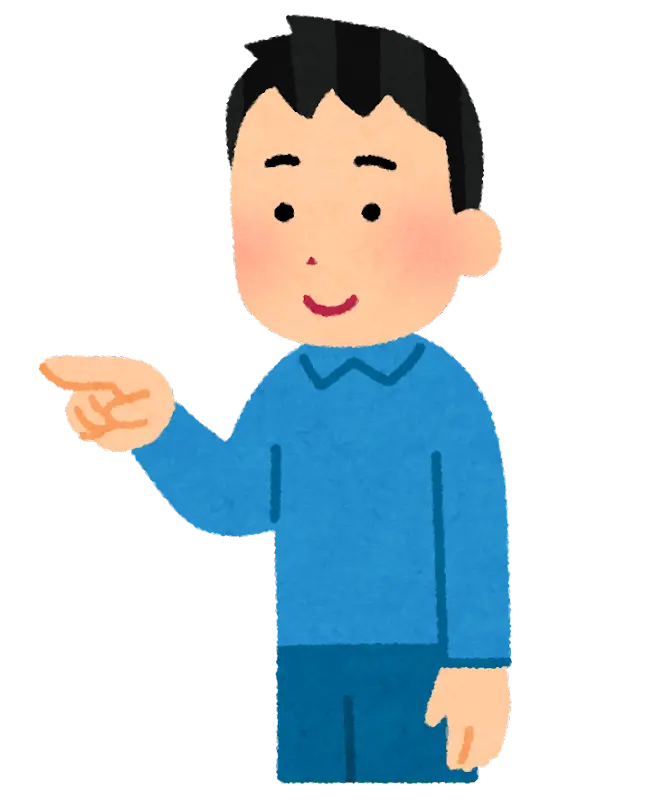 | |||
中 | なか | inside, middle | ♪ Play | 父は家の中にいます。 | 父[ちち]は 家[いえ]の中[なか]にいます。 | My father is inside the house. | ♪ Play | 75 |  | |||
出来る | できる | to be able to do, to be good at | ♪ Play | あなたはスキーが出来ますか。 | あなたはスキーが出[で] 来[き]ますか。 | Can you ski? | ♪ Play | 103 |  | |||
本当 | ほんとう | truth, reality | ♪ Play | その話は本当ですか。 | その 話[はなし]は本[ほん] 当[とう]ですか。 | Is that story true? | ♪ Play | 108 | 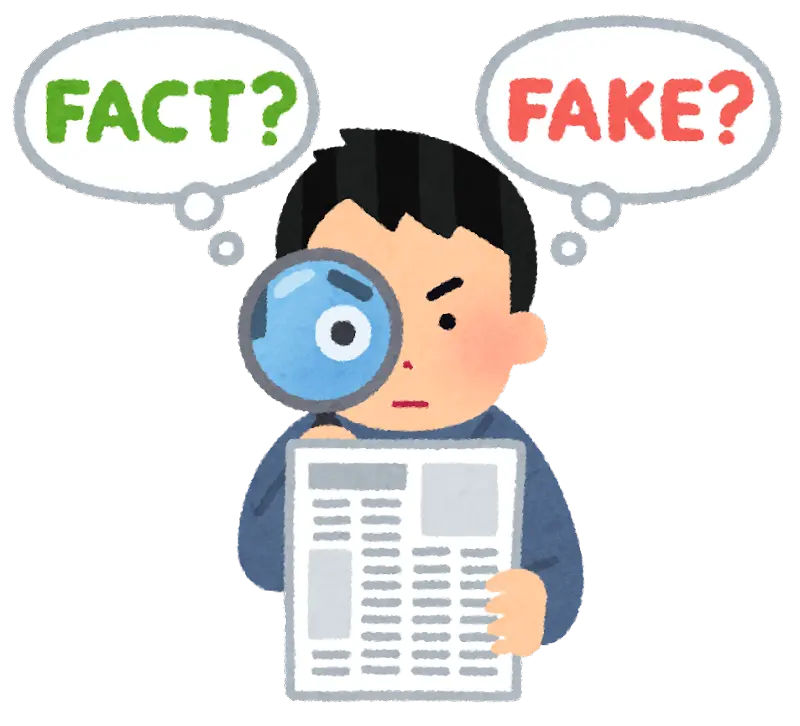 | |||
立つ | たつ | to stand, to rise | ♪ Play | 彼はステージに立った。 | 彼[かれ]はステージに立[た]った。 | He stood on stage. | ♪ Play | 330 | 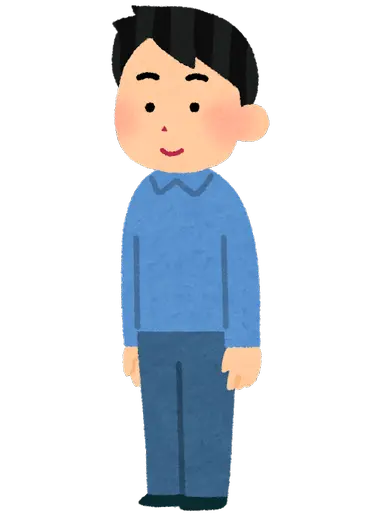 | |||
前 | まえ | front, before | ♪ Play | ララちゃんは家の前に立っています。 | ララちゃんは 家[いえ]の前[まえ]に 立[た]っています。 | Lara-chan is standing in front of the house. | ♪ Play | 79 | 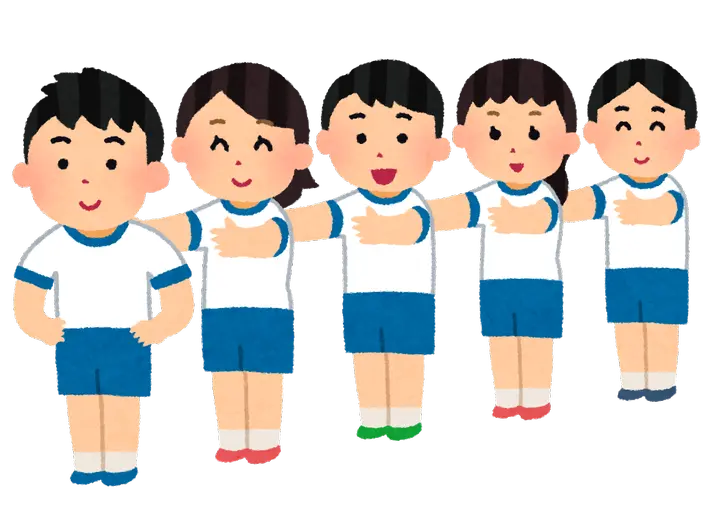 |