Kaishi 1.5k
| Word | Reading | Meaning | Word Audio | Sentence | Sentence Furigana | Sentence Meaning | Sentence Audio | Notes | Pitch Accent Notes | Frequency | Picture | Status |
|---|---|---|---|---|---|---|---|---|---|---|---|---|
入る | はいる | to enter | ♪ Play | レストランに入ります。 | レストランに入[はい]ります。 | I will enter the restaurant. | ♪ Play | 116 | 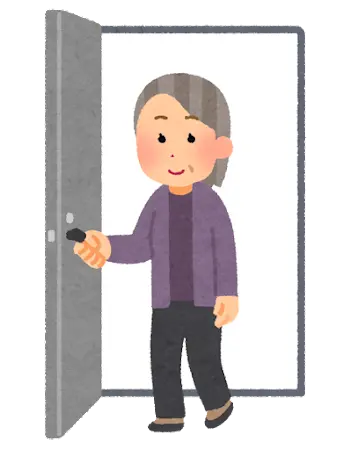 | |||
家族 | かぞく | family | ♪ Play | 家族がテレビを見た。 | 家[か] 族[ぞく]がテレビを 見[み]た。 | The family watched television. | ♪ Play | 631 | 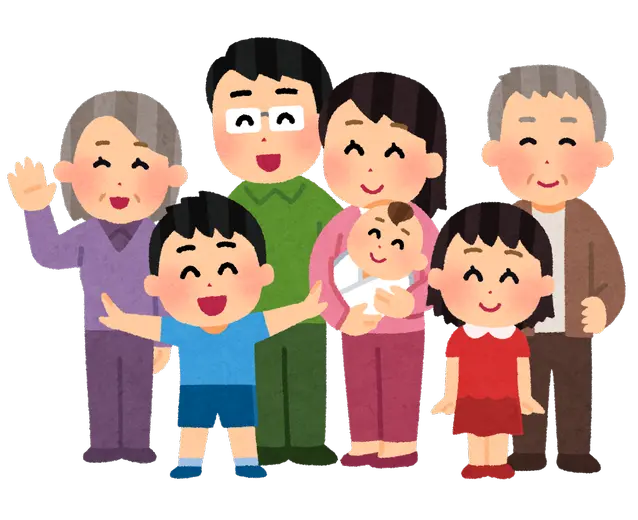 | |||
住む | すむ | to live, to reside | ♪ Play | 家族はタイに住んでいます。 | 家[か] 族[ぞく]はタイに住[す]んでいます。 | My family lives in Thailand. | ♪ Play | 919 | 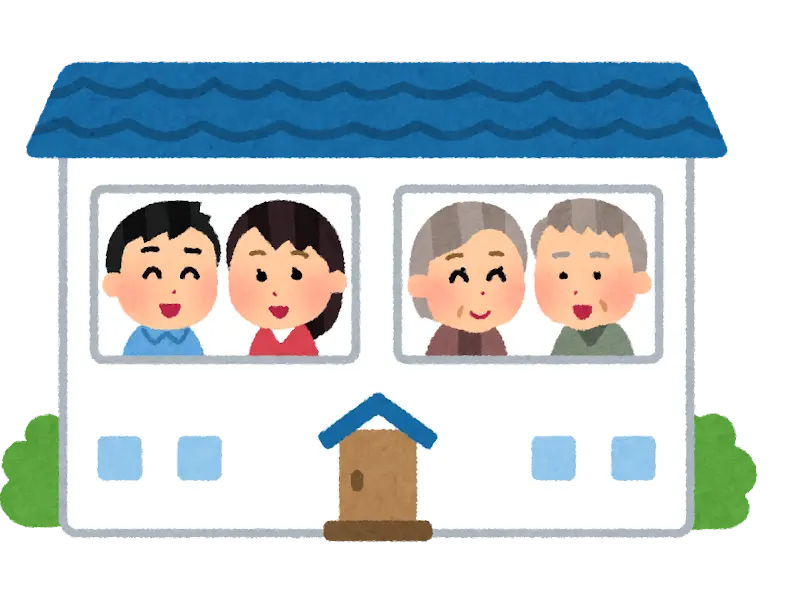 | |||
大きな | おおきな | big, large | ♪ Play | 大きな家に住みたい。 | 大[おお]きな 家[いえ]に 住[す]みたい。 | I want to live in a big house. | ♪ Play | 321 |  | |||
大きい | おおきい | big, large | ♪ Play | 彼は大きい家に住んでいる。 | 彼[かれ]は大[おお]きい 家[いえ]に 住[す]んでいる。 | He lives in a big house. | ♪ Play | 255 |  | |||
声 | こえ | voice, sound | ♪ Play | 彼は大きな声で話した。 | 彼[かれ]は 大[おお]きな声[こえ]で 話[はな]した。 | He spoke with a loud voice. | ♪ Play | 127 |  | |||
目 | め | eye | ♪ Play | ララちゃんは目が大きいです。 | ララちゃんは目[め]が 大[おお]きいです。 | Lara-chan has big eyes. | ♪ Play | 130 |  | |||
手 | て | hand | ♪ Play | 分かった人は手を上げてください。 | 分[わ]かった 人[ひと]は手[て]を 上[あ]げてください。 | The people who understood, please raise your hand. | ♪ Play | 113 |  | |||
上げる | あげる | to raise, to increase | ♪ Play | 分かった人は手を上げてください。 | 分[わ]かった 人[ひと]は 手[て]を上[あ]げてください。 | The people who understood, please raise your hand. | ♪ Play | This word is an example of Japanese nasalization, where /g/ sounds can sound closer to /n/ or /m/. Please see this video for an explanation of how this works. | 207 |  | ||
嫌い | きらい | dislike | ♪ Play | 私はタバコが嫌いです。 | 私[わたし]はタバコが嫌[きら]いです。 | I hate cigarettes. | ♪ Play | 852 |  | |||
おじいさん | おじいさん | grandfather | ♪ Play | おじいさんはジョギングが嫌いです。 | おじいさんはジョギングが 嫌[きら]いです。 | My grandfather dislikes jogging. | ♪ Play | 7,329 |  | |||
おばあさん | おばあさん | grandmother | ♪ Play | 彼女はおばあさんと住んでいる。 | 彼[かの] 女[じょ]はおばあさんと 住[す]んでいる。 | She lives with her grandmother. | ♪ Play | 10,393 | 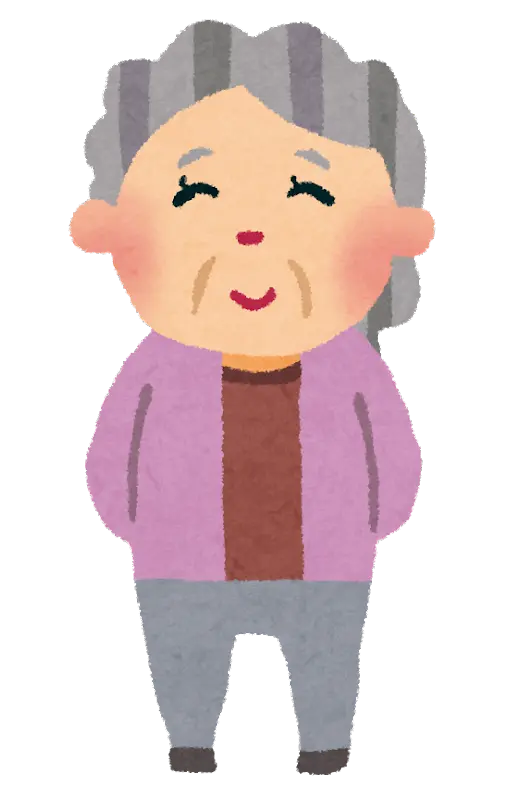 | |||
元気 | げんき | energetic, healthy | ♪ Play | スミスさんのおばあさんは元気です。 | スミスさんのおばあさんは元[げん] 気[き]です。 | Smith-san's grandmother is doing well. | ♪ Play | 613 |  | |||
いつも | いつも | always, usually | ♪ Play | 彼女はいつも元気だ。 | 彼[かの] 女[じょ]はいつも 元[げん] 気[き]だ。 | She's always full of energy. | ♪ Play | 209 |  | |||
持つ | もつ | to have, to hold | ♪ Play | 私は車を持っています。 | 私[わたし]は 車[くるま]を持[も]っています。 | I have a car. | ♪ Play | 128 |  | |||
みんな | みんな | all, everybody | ♪ Play | 家族はみんな元気です。 | 家[か] 族[ぞく]はみんな 元[げん] 気[き]です。 | Everyone in my family is doing well. | ♪ Play | Sometimes written 皆. | 185 |  | ||
使う | つかう | to use | ♪ Play | 毎日、コンピューターを使います。 | 毎[まい] 日[にち]、コンピューターを使[つか]います。 | I use the computer every day. | ♪ Play | 140 |  | |||
大丈夫 | だいじょうぶ | alright, OK | ♪ Play | 大丈夫ですか。 | 大[だい] 丈[じょう] 夫[ぶ]ですか。 | Are you alright? | ♪ Play | 146 |  | |||
始める | はじめる | to start | ♪ Play | テストを始めてください。 | テストを始[はじ]めてください。 | Please start the test. | ♪ Play | 240 |  | |||
今日 | きょう | today | ♪ Play | 今日の勉強を始めましょう。 | 今日[きょう]の 勉[べん] 強[きょう]を 始[はじ]めましょう。 | Let's begin today's studies. | ♪ Play | 125 |  | |||
部屋 | へや | room | ♪ Play | 部屋にキッチンがあります。 | 部屋[へや]にキッチンがあります。 | The room has a kitchen. | ♪ Play | 162 | 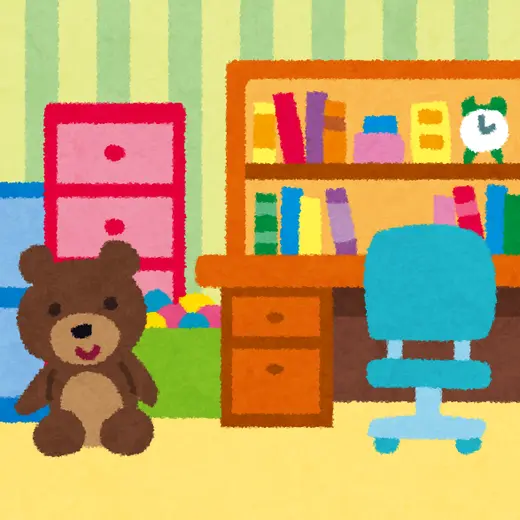 | |||
悪い | わるい | bad | ♪ Play | あの人は悪い人です。 | あの 人[ひと]は悪[わる]い 人[ひと]です。 | That person is a bad person. | ♪ Play | 163 | 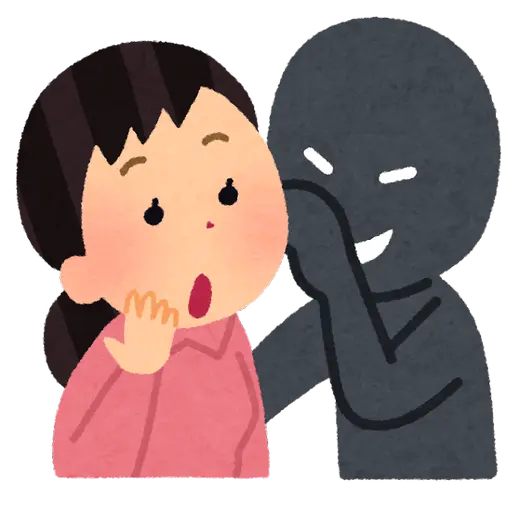 | |||
まあ | まあ | well... | ♪ Play | まあこれでいいだろう。 | まあこれでいいだろう。 | Well, this will do I suppose. | ♪ Play | 171 | 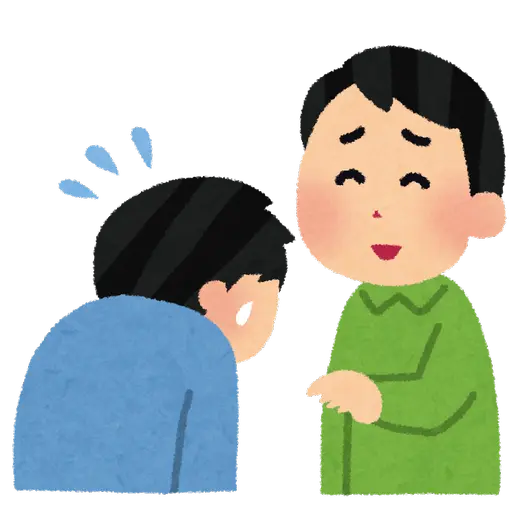 | |||
食べる | たべる | to eat | ♪ Play | 昨日タイカレーを食べました。 | 昨日[きのう]タイカレーを食[た]べました。 | I ate Thai curry yesterday. | ♪ Play | 195 | 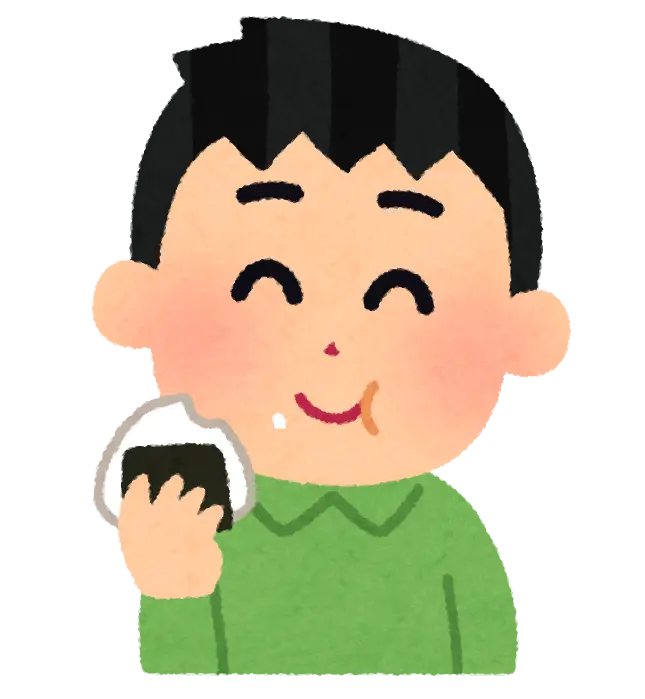 | |||
沢山 | たくさん | a lot, plenty | ♪ Play | 私には友達がたくさんいます。 | 私[わたし]には 友[とも] 達[だち]がたくさんいます。 | I have a lot of friends. | ♪ Play | Usually written in kana. | Here, the word is たくさ\ん generally but たくさん ̄ when used as an adverb. | 665 | 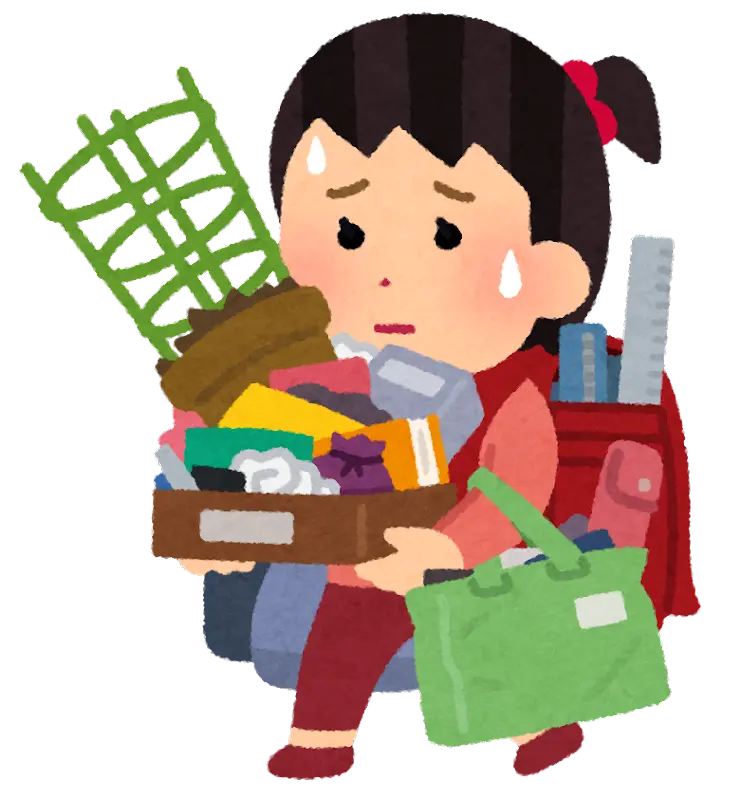 | |
場所 | ばしょ | place, location | ♪ Play | 行ってみたい場所がたくさんあります。 | 行[い]ってみたい場[ば] 所[しょ]がたくさんあります。 | There are many places I want to go to. | ♪ Play | 197 | 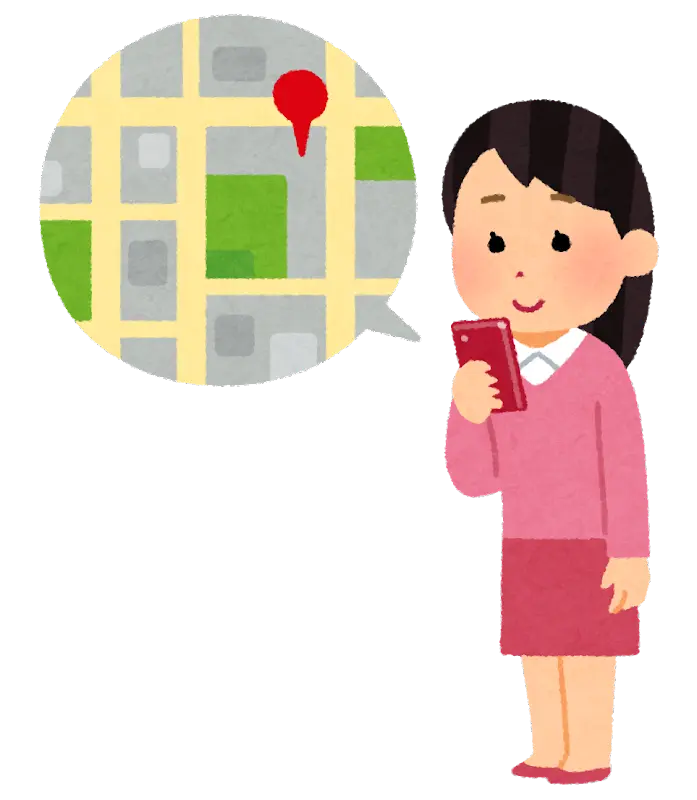 | |||
呼ぶ | よぶ | to call, to name | ♪ Play | ウェイターを呼びましょう。 | ウェイターを呼[よ]びましょう。 | Let's call the waiter. | ♪ Play | 203 |  | |||
動く | うごく | to move | ♪ Play | エレベーターが動いています。 | エレベーターが動[うご]いています。 | The elevator is moving. | ♪ Play | This word is an example of Japanese nasalization, where /g/ sounds can sound closer to /n/ or /m/. Please see this video for an explanation of how this works. | 218 | 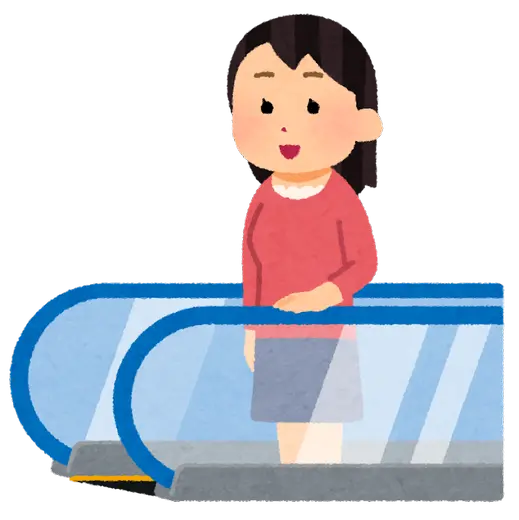 | ||
気持ち | きもち | feeling, sensation | ♪ Play | 彼の気持ちが分からない。 | 彼[かれ]の気[き] 持[も]ちが 分[わ]からない。 | I don't understand his feelings. | ♪ Play | 225 |  | |||
誰 | だれ | who | ♪ Play | 誰と会ってみたいですか。 | 誰[だれ]と 会[あ]ってみたいですか。 | Who would you like to meet one day? | ♪ Play | 231 |  | |||
子 | こ | child, kid | ♪ Play | その子は日本語が分からない。 | その子[こ]は 日本[にほん] 語[ご]が 分[わ]からない。 | That kid doesn't understand Japanese. | ♪ Play | 247 |  | |||
どんな | どんな | what kind of... | ♪ Play | スミスさんはどんな人ですか。 | スミスさんはどんな 人[ひと]ですか。 | What kind of person is Smith-san? | ♪ Play | 248 |  | |||
意味 | いみ | meaning, significance | ♪ Play | 意味が分かりません。 | 意[い] 味[み]が 分[わ]かりません。 | I don't understand what you mean. | ♪ Play | 261 |  | |||
言葉 | ことば | word, language | ♪ Play | この言葉の意味が分かりません。 | この言[こと] 葉[ば]の 意[い] 味[み]が 分[わ]かりません。 | I don't understand the meaning of this word. | ♪ Play | 115 |  | |||
心配 | しんぱい | worry | ♪ Play | 母が心配しています。 | 母[はは]が心[しん] 配[ぱい]しています。 | My mother is worried. | ♪ Play | 262 | 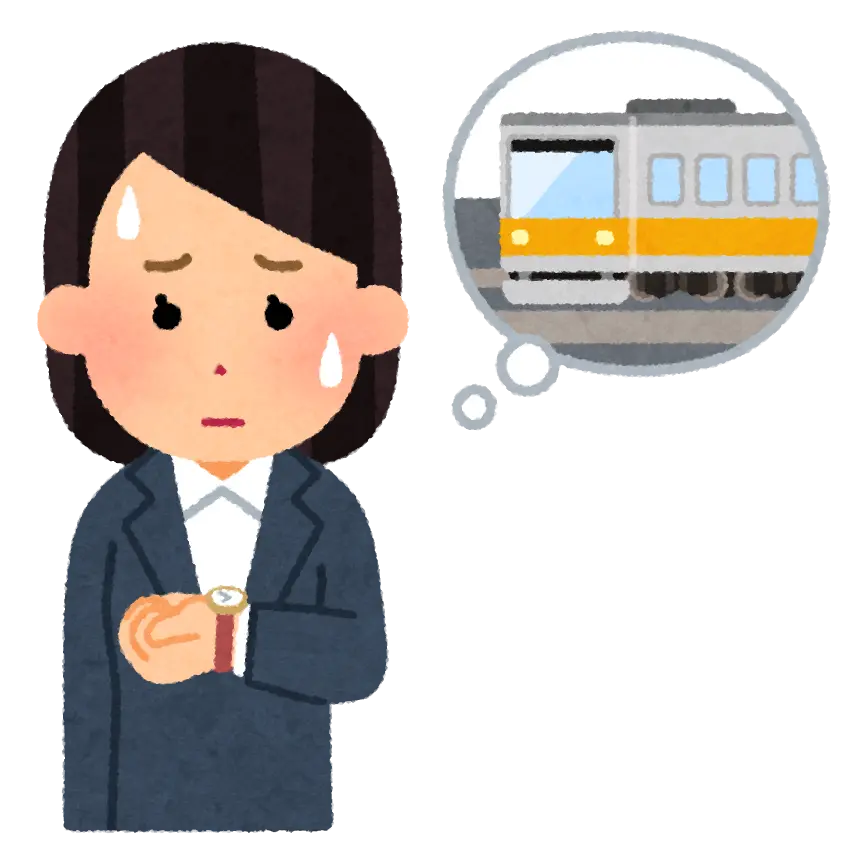 | |||
様子 | ようす | appearance, state | ♪ Play | 彼女の様子を見てきます。 | 彼[かの] 女[じょ]の様[よう] 子[す]を 見[み]てきます。 | I'm going to see how she's doing. | ♪ Play | 263 | 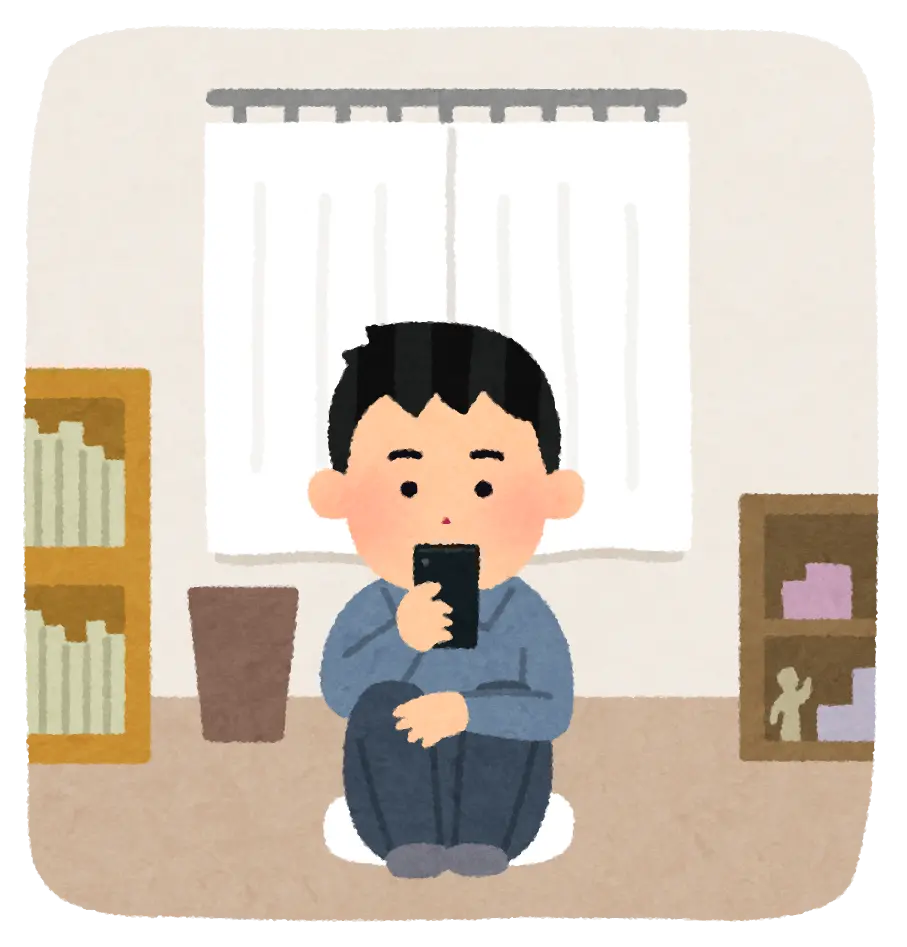 | |||
信じる | しんじる | to believe, to trust | ♪ Play | 彼の言葉を信じています。 | 彼[かれ]の 言[こと] 葉[ば]を信[しん]じています。 | I believe his words. | ♪ Play | 279 | 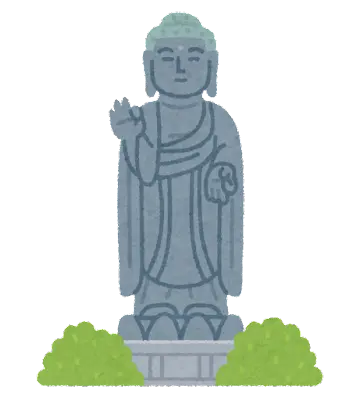 | |||
自分 | じぶん | self, oneself | ♪ Play | 分からない言葉は自分で調べてください。 | 分[わ]からない 言[こと] 葉[ば]は自[じ] 分[ぶん]で 調[しら]べてください。 | Please look up any words you don't know on your own. | ♪ Play | 65 | 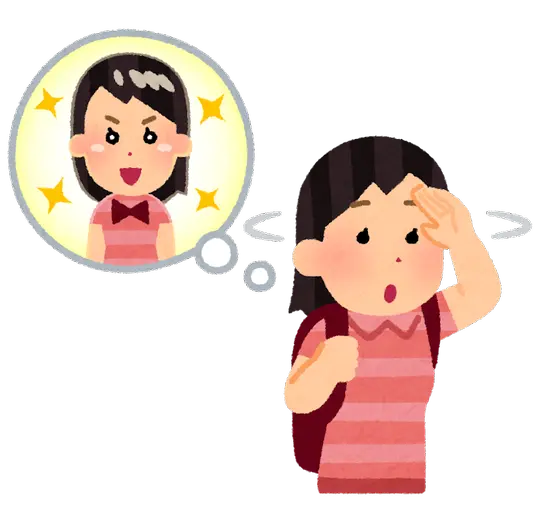 | |||
調べる | しらべる | to look up, to search | ♪ Play | 分からない言葉は自分で調べてください。 | 分[わ]からない 言[こと] 葉[ば]は 自[じ] 分[ぶん]で調[しら]べてください。 | Please look up any words you don't know on your own. | ♪ Play | 727 |  | |||
事 | こと | thing, incident | ♪ Play | インターネットで日本の事を調べました。 | インターネットで 日本[にほん]の事[こと]を 調[しら]べました。 | I researched things about Japan on the internet. | ♪ Play | 14 |  | |||
同じ | おなじ | same, identical | ♪ Play | 私も同じこと考えてた。 | 私[わたし]も同[おな]じこと 考[かんが]えてた。 | I was thinking the same thing. | ♪ Play | 160 |  | |||
申し訳ない | もうしわけない | sorry, inexcusable | ♪ Play | 彼には申し訳ないことをした。 | 彼[かれ]には申[もう]し 訳[わけ]ないことをした。 | I did something inexcusable to him. | ♪ Play | 1,543 |  | |||
もちろん | もちろん | of course, no doubt | ♪ Play | もちろん一緒に行きます。 | もちろん 一[いっ] 緒[しょ]に 行[い]きます。 | Of course we'll go together. | ♪ Play | 294 | 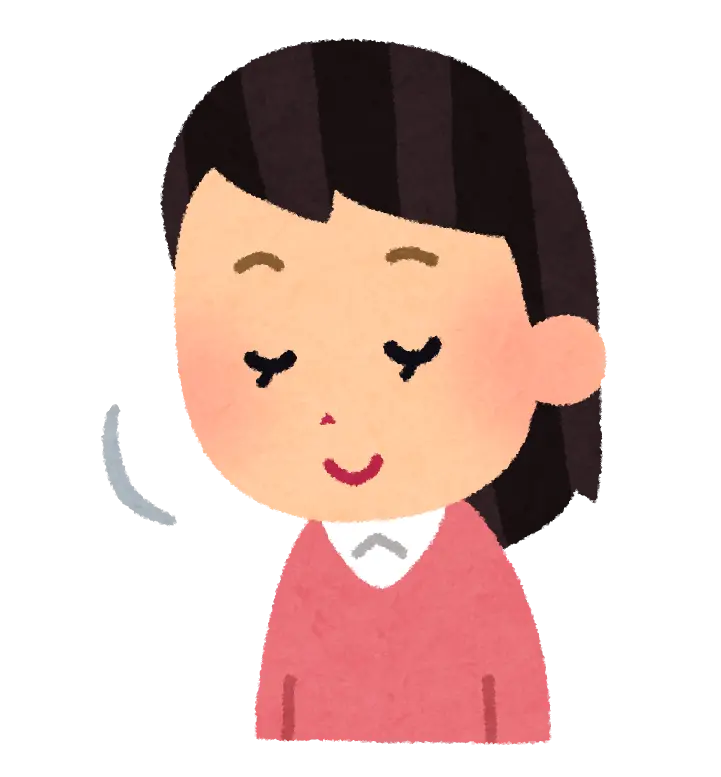 | |||
とても | とても | very | ♪ Play | この本はとても面白い。 | この 本[ほん]はとても 面[おも] 白[しろ]い。 | This book is very interesting. | ♪ Play | 329 | 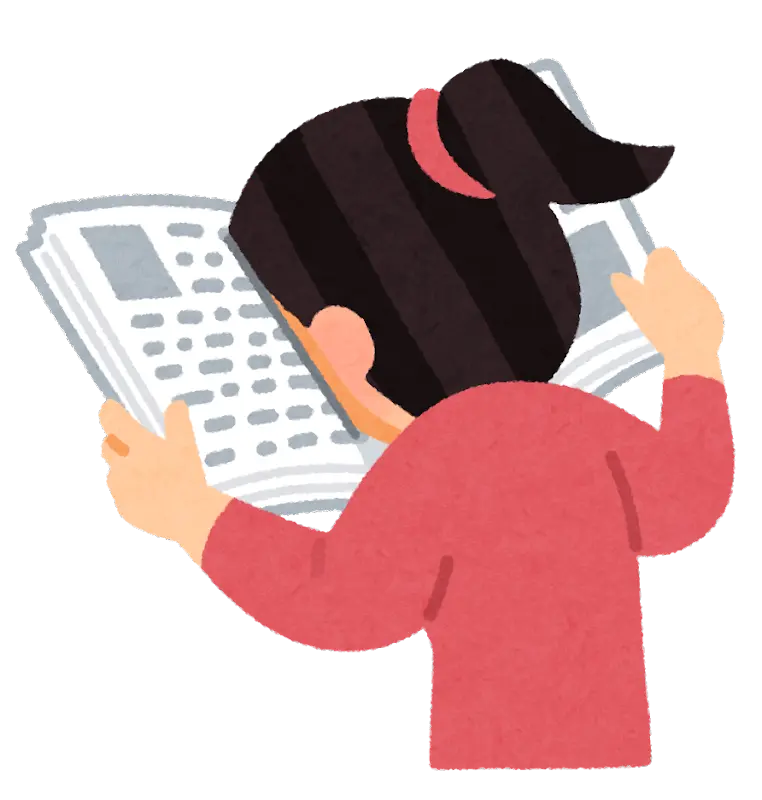 | |||
楽しい | たのしい | fun, enjoyable | ♪ Play | 彼はとても楽しい人です。 | 彼[かれ]はとても楽[たの]しい 人[ひと]です。 | He's a very fun person. | ♪ Play | 315 |  | |||
失礼します | しつれいします | pardon me, excuse me (e.g. when leaving) | 失礼します。 | 失[しつ] 礼[れい]します。 | Excuse me. | ♪ Play | You can't really hear the drop in ま\す for the most part but it's there. | 576 | 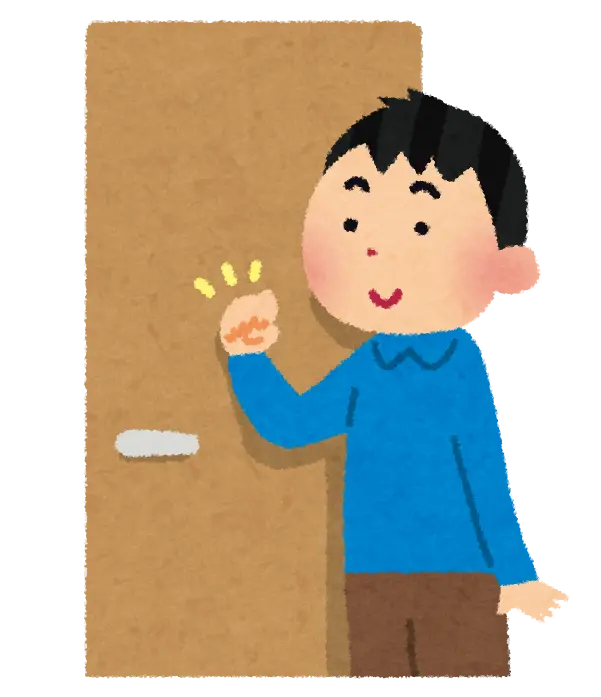 | |||
手伝う | てつだう | to help | ♪ Play | 私が手伝いましょう。 | 私[わたし]が手[て] 伝[つだ]いましょう。 | I will help you. | ♪ Play | 808 | 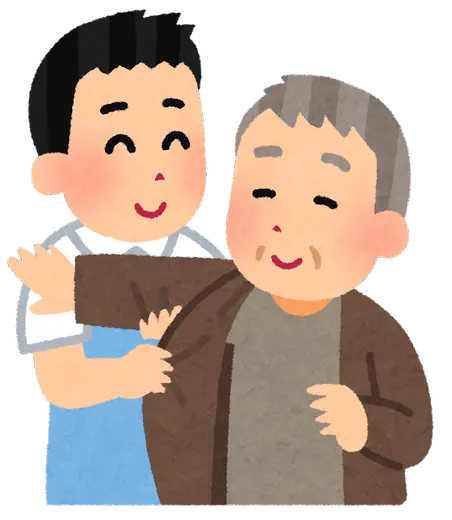 | |||
忙しい | いそがしい | busy, occupied | ♪ Play | 忙しいので手伝ってください。 | 忙[いそが]しいので 手[て] 伝[つだ]ってください。 | I am busy so please help me. | ♪ Play | 970 | 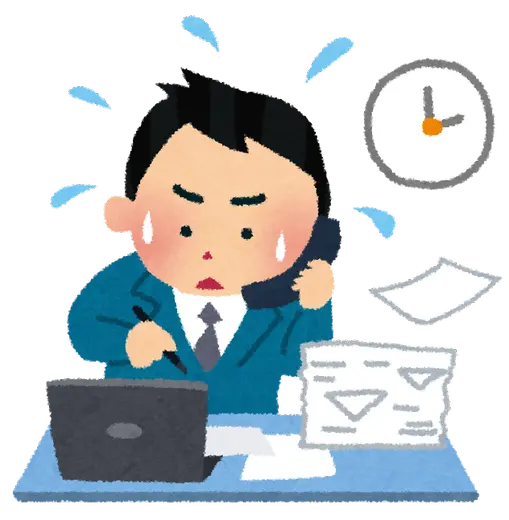 | |||
仕事 | しごと | work, job | ♪ Play | 父の仕事を手伝います。 | 父[ちち]の仕[し] 事[ごと]を 手[て] 伝[つだ]います。 | I help with my father's work. | ♪ Play | 236 |  | |||
続ける | つづける | to continue, to keep up | ♪ Play | 仕事を続けてください。 | 仕[し] 事[ごと]を続[つづ]けてください。 | Please continue your work. | ♪ Play | 204 |  |