Kaishi 1.5k
| Word | Reading | Meaning | Word Audio | Sentence | Sentence Furigana | Sentence Meaning | Sentence Audio | Notes | Pitch Accent Notes | Frequency | Picture | Status |
|---|---|---|---|---|---|---|---|---|---|---|---|---|
時 | とき | time, occasion | ♪ Play | 暇な時は本を読んでいます。 | 暇[ひま]な時[とき]は 本[ほん]を 読[よ]んでいます。 | In my free time, I read books. | ♪ Play | As a counter or as a suffix, it is \時. | 407 | 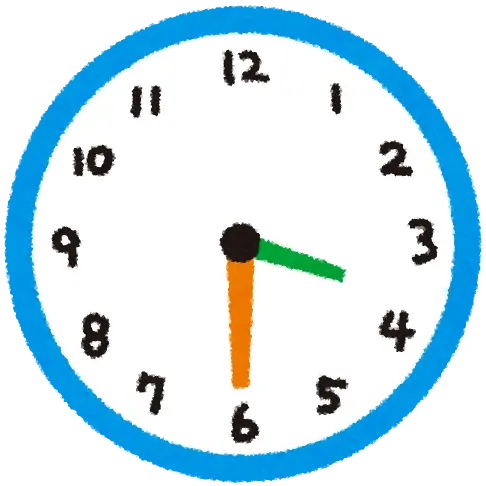 | ||
時 | じ | hour, o'clock | ♪ Play | A「何時ですか。」
B「3時です。」 | A:「 何[なん]時[じ]ですか。」
B:「 3[さん] 時[じ]です。」 | A: What time is it?
B: It's 3 o'clock. | ♪ Play | As a counter or as a suffix, it is \時. | 407 | 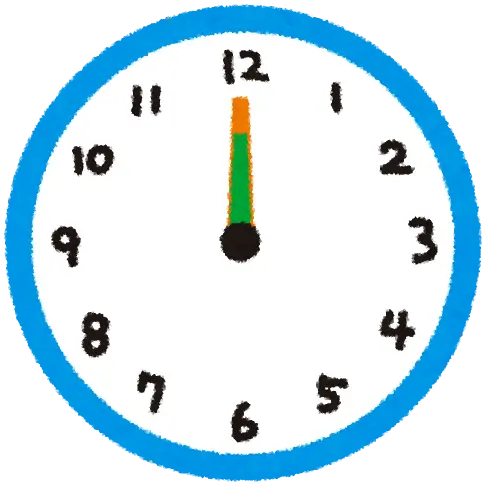 | ||
一 | いち | one | ♪ Play | 一から始めましょう。 | 一[いち]から 始[はじ]めましょう。 | Let's start from the beginning. | ♪ Play | 781 |  | |||
二 | に | two | ♪ Play | その人には二回会った。 | その 人[ひと]には二[に] 回[かい] 会[あ]った。 | I met that person twice. | ♪ Play | 547 |  | |||
三 | さん | three | ♪ Play | 彼女は三人の子供の母親だ。 | 彼[かの] 女[じょ]は三[さん] 人[にん]の 子[こ] 供[ども]の 母[はは] 親[おや]だ。 | She's the mother of three children. | ♪ Play | 779 |  | |||
四 | よん・し | four | ♪ Play | ハワイは四回目です。 | ハワイは四[よん] 回[かい] 目[め]です。 | This is my fourth trip to Hawaii. | ♪ Play | 1,462 |  | |||
五 | ご | five | ♪ Play | 五人で旅行に行きました。 | 五[ご] 人[にん]で 旅[りょ] 行[こう]に 行[い]きました。 | Five of us went on a trip. | ♪ Play | 1,039 |  | |||
六 | ろく | six | ♪ Play | 彼には子供が六人います。 | 彼[かれ]には 子[こ] 供[ども]が六[ろく] 人[にん]います。 | He has six children. | ♪ Play | 1,673 |  | |||
七 | なな・しち | seven | ♪ Play | バナナが七本あります。 | バナナが七[なな] 本[ほん]あります。 | There are seven bananas. | ♪ Play | 1,750 |  | |||
八 | はち | eight | ♪ Play | りんごを八個ください。 | りんごを八[はち] 個[こ]ください。 | Please give me eight apples. | ♪ Play | 八個 is usually read はっこ. | 2,072 |  | ||
九 | きゅう | nine | ♪ Play | 野球は九人で1チームです。 | 野[や] 球[きゅう]は九[きゅう] 人[にん]で 1[ひと]チームです。 | In baseball there are nine people on one team. | ♪ Play | 3,036 |  | |||
十 | じゅう | ten | ♪ Play | その子は指で十数えました。 | その 子[こ]は 指[ゆび]で十[じゅう] 数[かぞ]えました。 | That child counted to ten on her fingers. | ♪ Play | 1,815 |  | |||
くん | くん | kun (usu. used with men younger or of the same age) | ♪ Play | 健くんは1歳です。 | 健[けん]くんは1 歳[さい]です。 | Ken-kun is one year old. | ♪ Play | Honorific usually used towards males of equal or lower status. | If the name has an accent, くん and all other honorifics are pronounced low. 高橋くん → たか\はしくん while if a name is heiban, all honorifics are also flat so 平田くん would be ひらたくん ̄. | 140 | 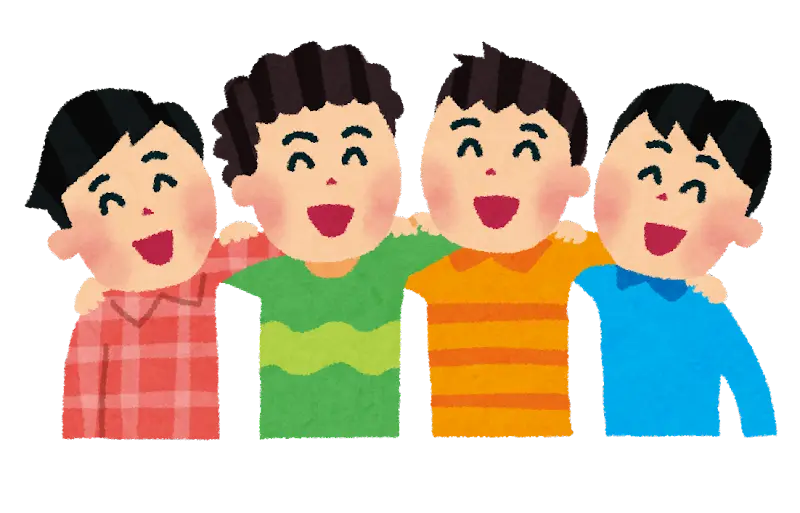 | |
すみません | すみません | sorry, excuse me | ♪ Play | すみません。今日は用事があります。 | すみません。 今日[きょう]は 用[よう] 事[じ]があります。 | Sorry, I have something to do today. | ♪ Play | 773 |  | |||
やる | やる | to do | ♪ Play | 一緒に宿題をやろう。 | 一[いっ] 緒[しょ]に 宿[しゅく] 題[だい]をやろう。 | Let's do our homework together. | ♪ Play | 46 | 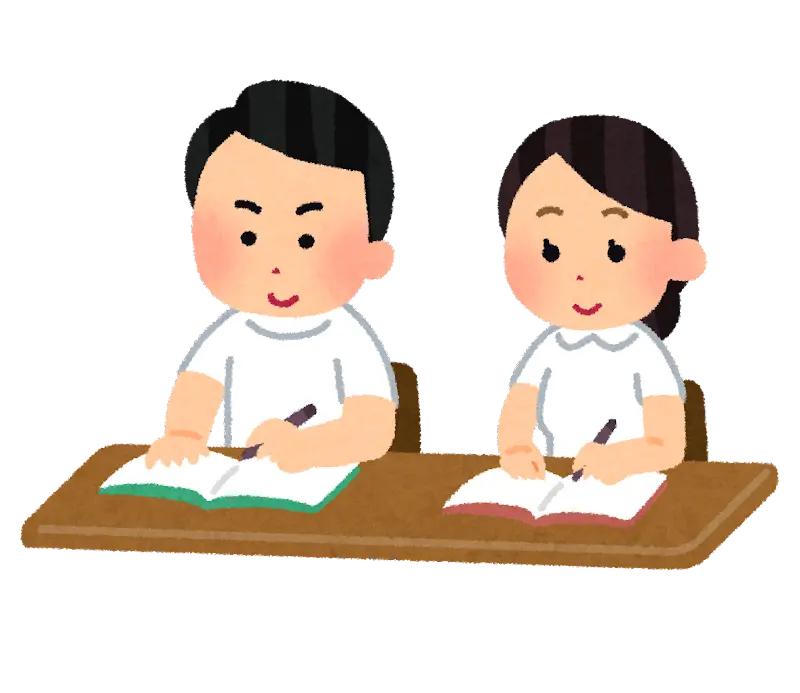 | |||
顔 | かお | face | ♪ Play | 彼はタオルで顔を拭きました。 | 彼[かれ]はタオルで顔[かお]を 拭[ふ]きました。 | He wiped his face with a towel. | ♪ Play | 76 | 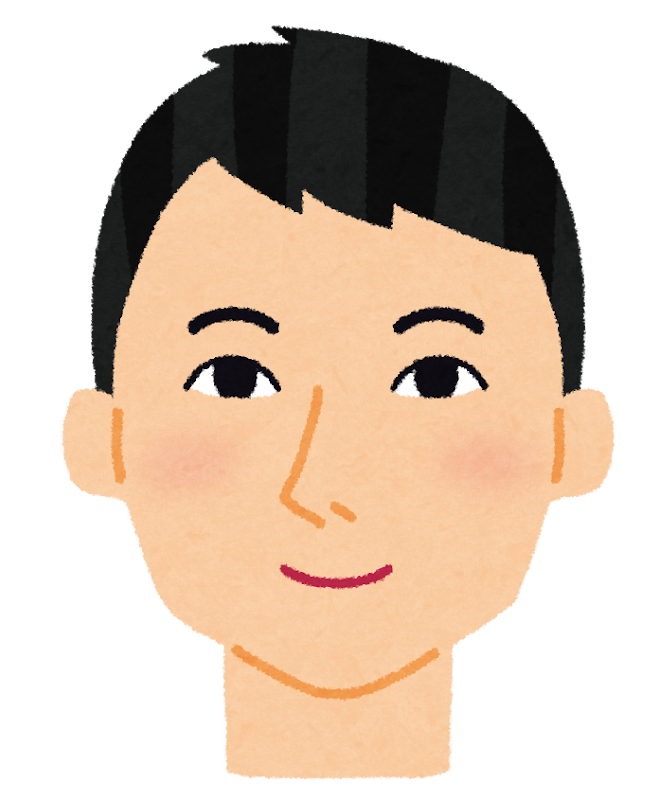 | |||
今朝 | けさ | this morning | ♪ Play | 今朝は早く家を出ました。 | 今朝[けさ]は 早[はや]く 家[いえ]を 出[で]ました。 | I left the house early this morning. | ♪ Play | 81 | 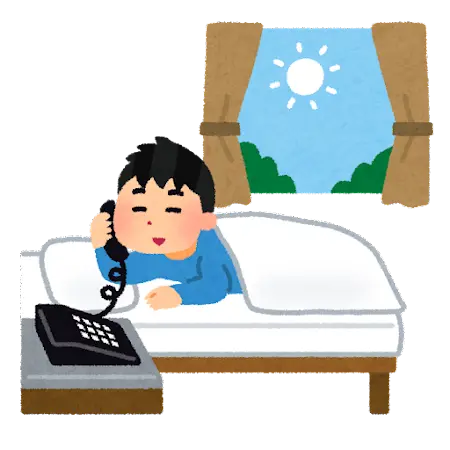 | |||
出る | でる | to go out, to leave | ♪ Play | 今朝は早く家を出ました。 | 今朝[けさ]は 早[はや]く 家[いえ]を出[で]ました。 | I left the house early this morning. | ♪ Play | 81 | 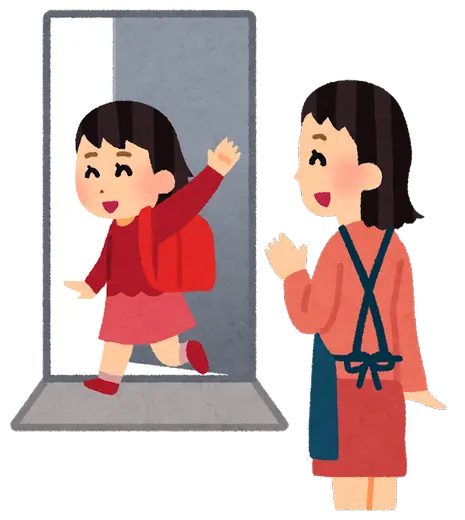 | |||
そして | そして | and, and then | ♪ Play | このロボットは言葉が分かります。そして、ダンスも出来ます。 | このロボットは 言[こと] 葉[ば]が 分[わ]かります。そして、ダンスも 出[で] 来[き]ます。 | This robot understands words. On top of that, it can also dance. | ♪ Play | 82 |  | |||
まだ | まだ | yet, more | ♪ Play | 宿題はまだ終わっていません。 | 宿[しゅく] 題[だい]はまだ 終[お]わっていません。 | I haven't finished my homework yet. | ♪ Play | 96 | 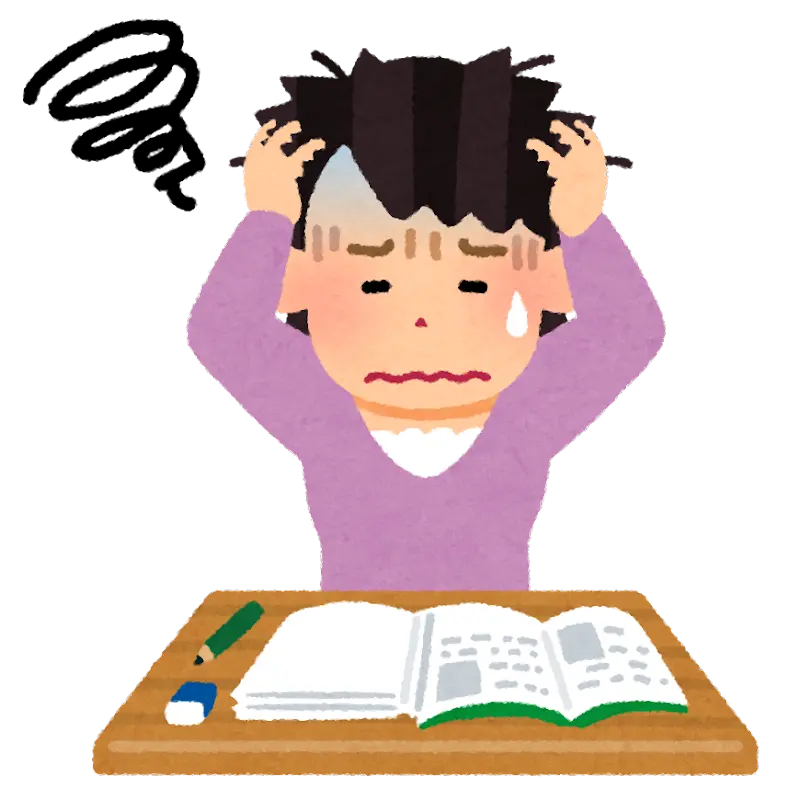 | |||
じゃ | じゃ | then, well | ♪ Play | じゃ、それをください。 | じゃ、それをください。 | Okay, then I'll have that one. | ♪ Play | 98 | 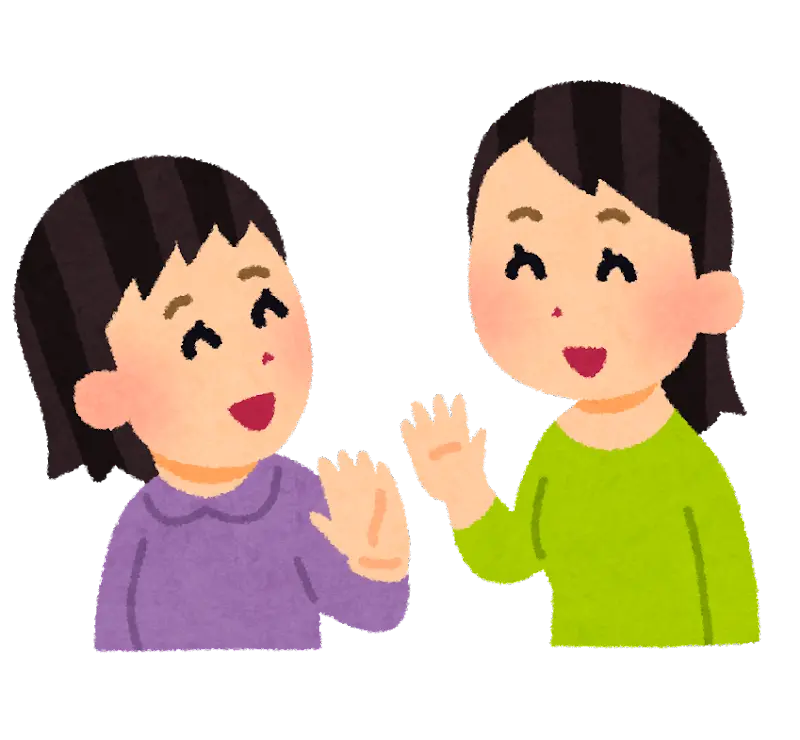 | |||
ため | ため | sake, purpose | ♪ Play | これは医者のためのサイトです。 | これは 医[い] 者[しゃ]のためのサイトです。 | This is a website made for doctors. | ♪ Play | 109 | 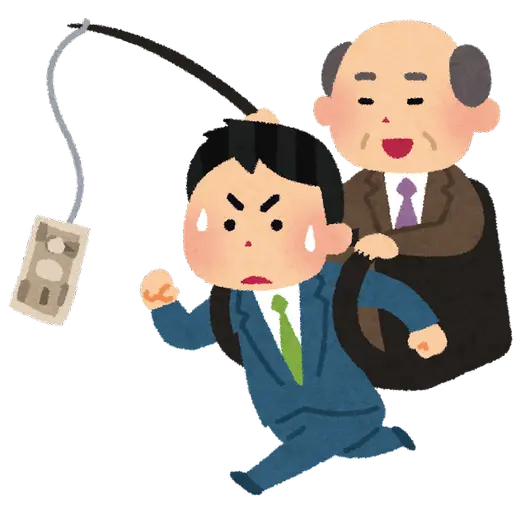 | |||
ご飯 | ごはん | cooked rice, meal | ♪ Play | 私はパンよりご飯が好きだ。 | 私[わたし]はパンよりご 飯[はん]が 好[す]きだ。 | I prefer rice to bread. | ♪ Play | 1,862 |  | |||
ところ | ところ | place | ♪ Play | 私は友達のところに泊まった。 | 私[わたし]は 友[とも] 達[だち]のところに 泊[と]まった。 | I stayed at my friend's place for the night. | ♪ Play | If modified in front then it is accented, otherwise it's flat. There are exceptions: ところ\で, ところ\が, ところ\へ, いまのところ ̄ and このところ ̄. | 124 | 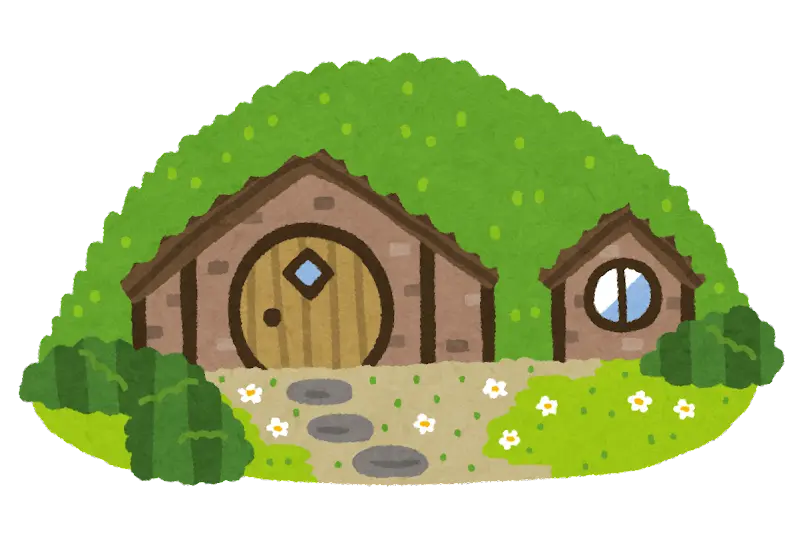 | ||
少し | すこし | a bit, a little while | ♪ Play | 少し疲れました。 | 少[すこ]し 疲[つか]れました。 | I'm a little tired. | ♪ Play | 131 |  | |||
見える | みえる | be visible | ♪ Play | ここから富士山がよく見えます。 | ここから 富[ふ] 士[じ] 山[さん]がよく見[み]えます。 | You can see Mount Fuji well from here. | ♪ Play | 133 | 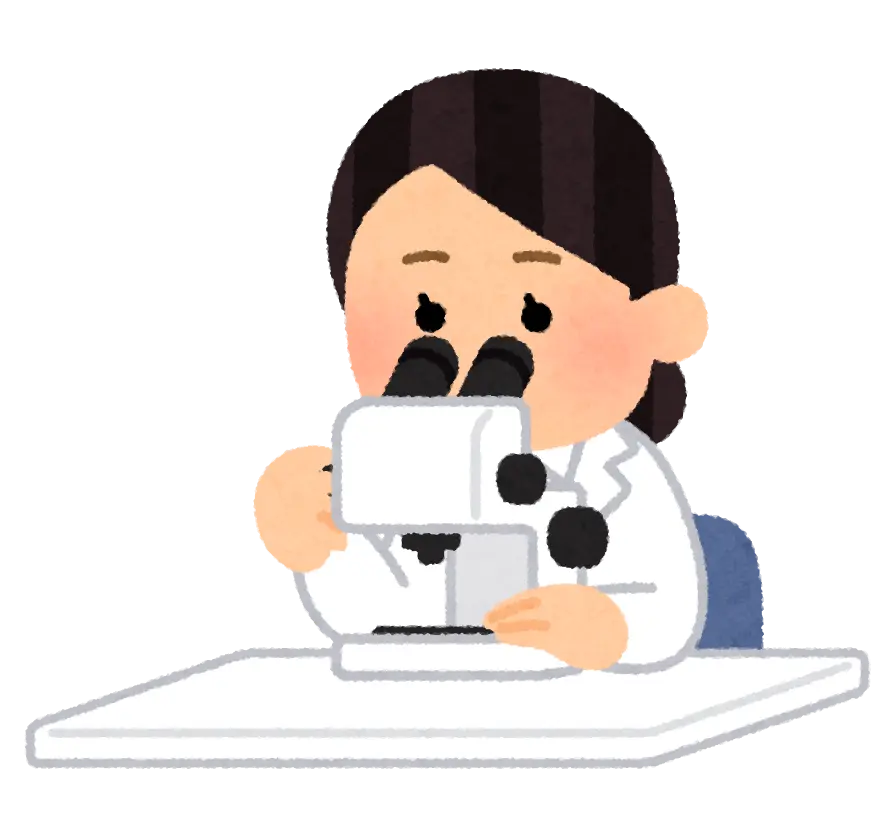 | |||
違う | ちがう | to differ, to be wrong | ♪ Play | 答えが違います。 | 答[こた]えが違[ちが]います。 | That's the wrong answer. | ♪ Play | 134 | 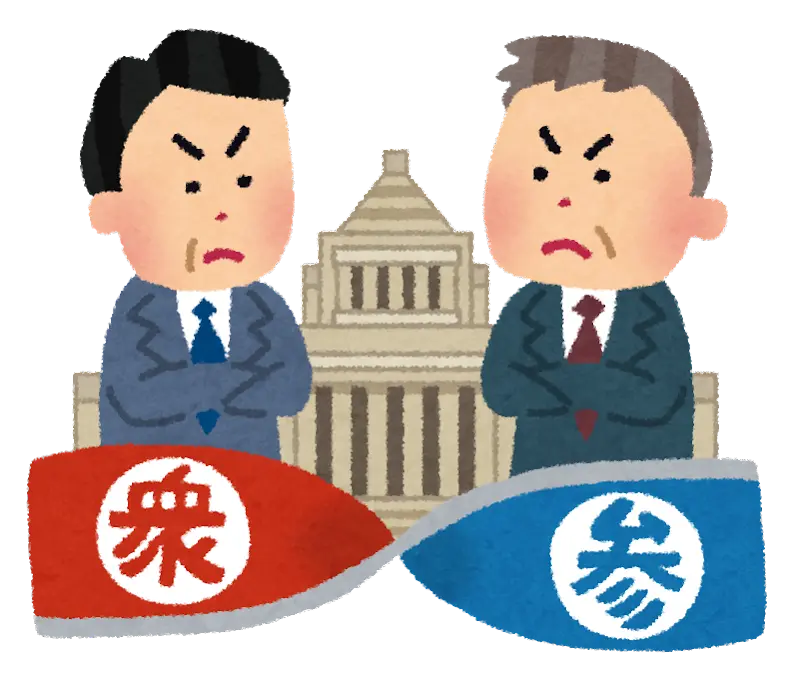 | |||
男 | おとこ | man, male | ♪ Play | 男の人が私たちに話しかけた。 | 男[おとこ]の 人[ひと]が 私[わたし]たちに 話[はな]しかけた。 | A man began talking to us. | ♪ Play | 138 | 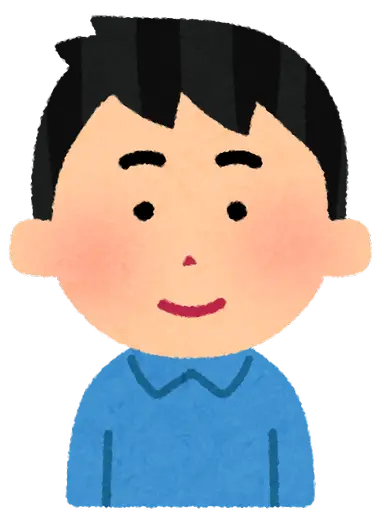 | |||
ただ | ただ | free | ♪ Play | この温泉はただです。 | この 温[おん] 泉[せん]はただです。 | This hot spring is free. | ♪ Play | 143 |  | |||
ただ | ただ | simply | ♪ Play | 私はただ彼女と話したかっただけです。 | 私[わたし]はただ 彼[かの] 女[じょ]と 話[はな]したかっただけです。 | I just wanted to speak with her. | ♪ Play | 143 |  | |||
人間 | にんげん | human being, people | ♪ Play | 人間の心は複雑です。 | 人[にん] 間[げん]の 心[こころ]は 複[ふく] 雑[ざつ]です。 | The human mind is a complex thing. | ♪ Play | 158 |  | |||
作る | つくる | to make, to create | ♪ Play | 今、朝ご飯を作っています。 | 今[いま]、 朝[あさ]ご 飯[はん]を作[つく]っています。 | I'm making breakfast now. | ♪ Play | 166 | 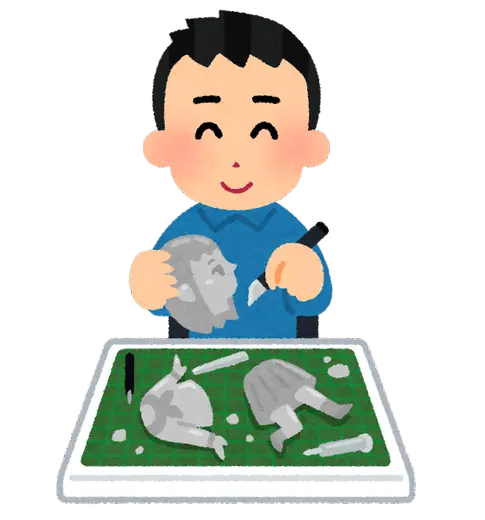 | |||
感じる | かんじる | to feel, to sense | ♪ Play | 膝に痛みを感じます。 | 膝[ひざ]に 痛[いた]みを感[かん]じます。 | I feel a pain in my knee. | ♪ Play | 175 | 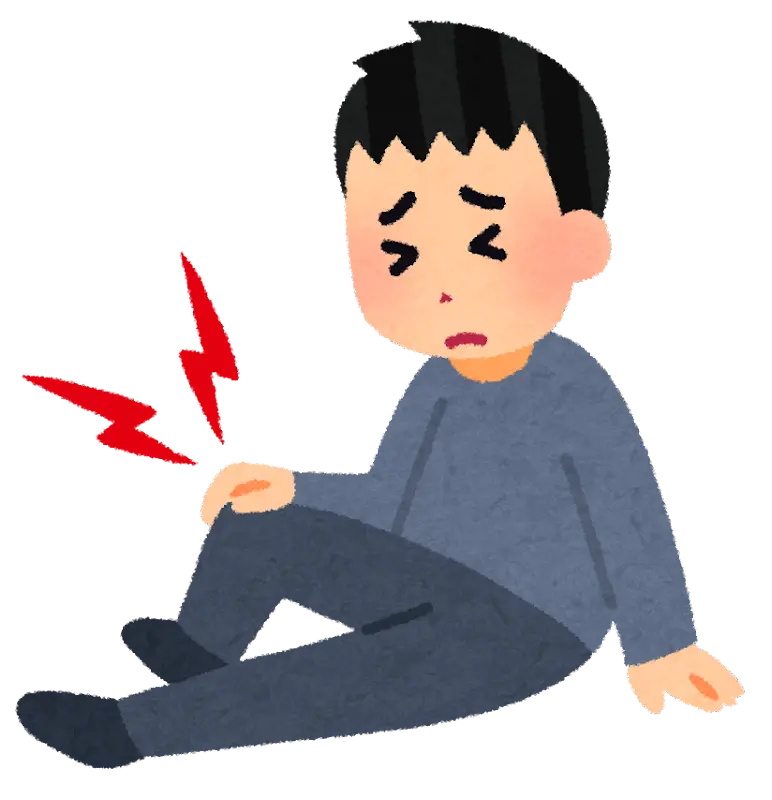 | |||
上 | うえ | up, above | ♪ Play | 上を向いて。 | 上[うえ]を 向[む]いて。 | Look up. | ♪ Play | If modified then うえ\ (その上に would be そのうえ\に) otherwise うえ ̄. | 176 |  | ||
強い | つよい | strong | ♪ Play | 今日は風が強い。 | 今日[きょう]は 風[かぜ]が強[つよ]い。 | The wind is strong today. | ♪ Play | 177 |  | |||
出す | だす | to take out | ♪ Play | 彼はかばんから教科書を出した。 | 彼[かれ]はかばんから 教[きょう] 科[か] 書[しょ]を出[だ]した。 | He took the textbook out of his bag. | ♪ Play | 178 | 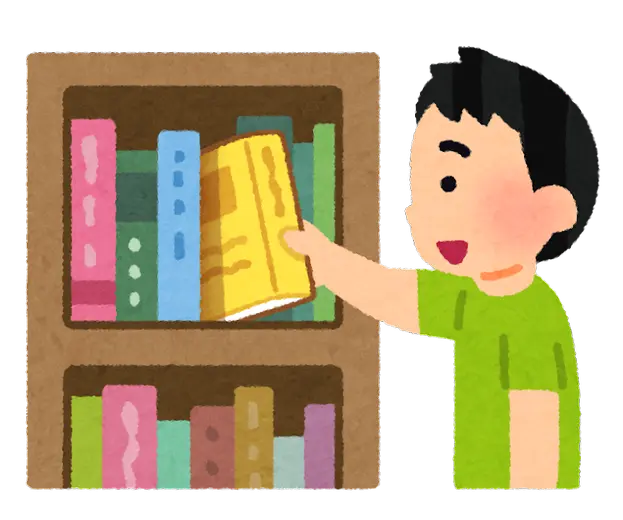 | |||
笑う | わらう | to laugh, to smile | ♪ Play | 赤ん坊が笑っています。 | 赤[あか]ん 坊[ぼう]が笑[わら]っています。 | The baby is laughing. | ♪ Play | 181 | 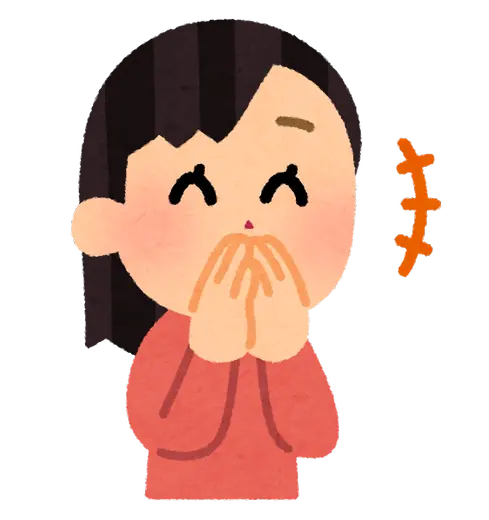 | |||
毎月 | まいつき | every month | ♪ Play | 私は毎月貯金をしています。 | 私[わたし]は毎[まい] 月[つき] 貯[ちょ] 金[きん]をしています。 | I save money every month. | ♪ Play | 12,521 |  | |||
毎年 | まいとし | every year | ♪ Play | 毎年、クリスマスに国へ帰ります。 | 毎[まい] 年[とし]、クリスマスに 国[くに]へ 帰[かえ]ります。 | I return to my country on Christmas of every year. | ♪ Play | 4,148 |  | |||
多く | おおく | many, much | ♪ Play | 毎年多くの人が海外へ旅行する。 | 毎[まい] 年[とし]多[おお]くの 人[ひと]が 海[かい] 外[がい]へ 旅[りょ] 行[こう]する。 | Each year, a lot of people travel abroad. | ♪ Play | 181 | 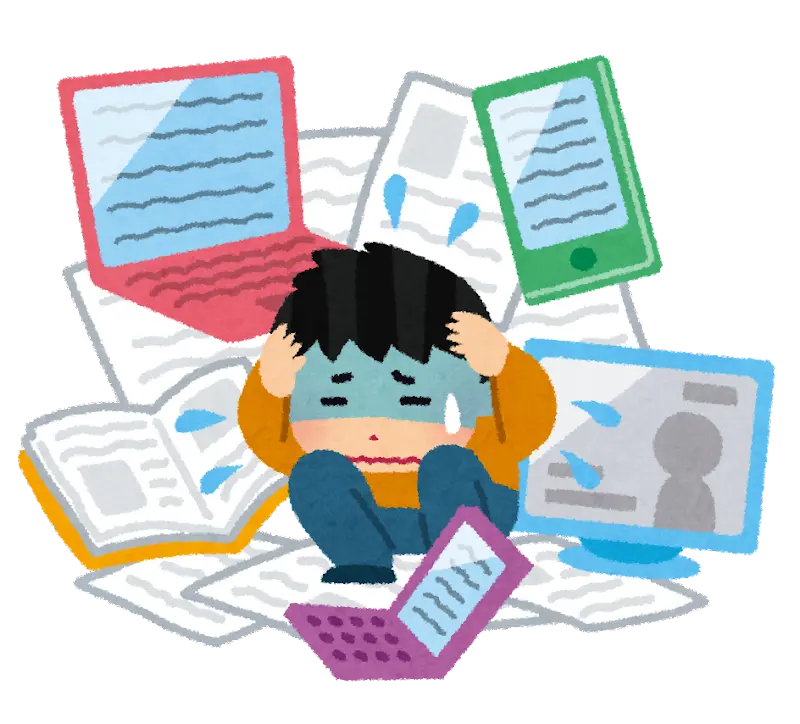 | |||
くらい | くらい | approximately, about | ♪ Play | 毎日、7時間くらい眠ります。 | 毎[まい] 日[にち]、 7[しち] 時[じ] 間[かん]くらい 眠[ねむ]ります。 | I sleep for about seven hours every day. | ♪ Play | The word くらい compounds like ○○く\らい for the most part. There are multiple exceptions:
1. くらい is flat if after これ, この, それ, その, あれ, or あの.
2. どれくらい and どのくらい can either be atamadaka or heiban.
3. くらい may or may not compound with verbs, adjectives, and adjectival nouns.
4. After either flat verbs or flat adjectives, くらい is く\らい, while it can either be くらい ̄ or く\らい after flat adjectival nouns. | 184 |  | ||
姉 | あね | older sister | ♪ Play | 姉は大学生です。 | 姉[あね]は 大[だい] 学[がく] 生[せい]です。 | My big sister is a college student. | ♪ Play | 1,167 | 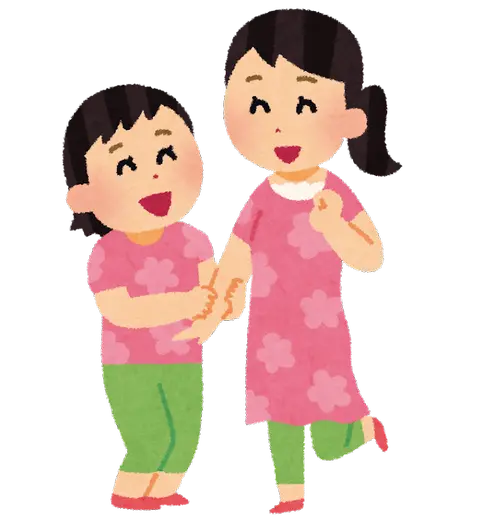 | |||
弟 | おとうと | younger brother | ♪ Play | 弟にプレゼントをあげました。 | 弟[おとうと]にプレゼントをあげました。 | I gave a present to my younger brother. | ♪ Play | 1,418 | 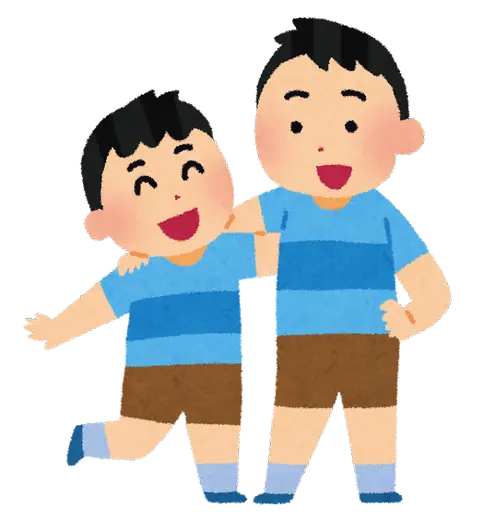 | |||
妹 | いもうと | younger sister | ♪ Play | 私の妹は小学生です。 | 私[わたし]の妹[いもうと]は 小[しょう] 学[がく] 生[せい]です。 | My little sister goes to elementary school. | ♪ Play | 677 | 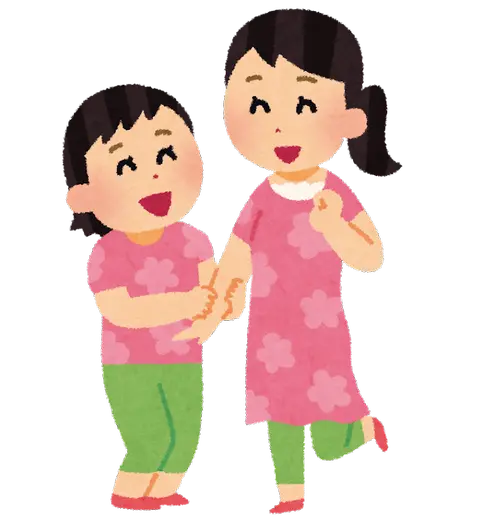 | |||
力 | ちから | strength, power | ♪ Play | 私より妹の方が力があります。 | 私[わたし]より 妹[いもうと]の 方[ほう]が力[ちから]があります。 | My younger sister has more strength than I do. | ♪ Play | 188 | 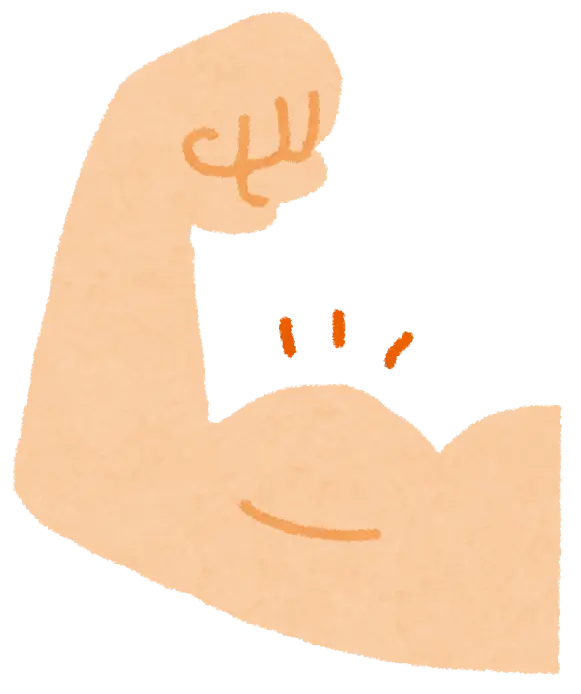 | |||
世界 | せかい | world | ♪ Play | 世界の地図はありますか。 | 世[せ] 界[かい]の 地[ち] 図[ず]はありますか。 | Do you have a map of the world? | ♪ Play | 189 | 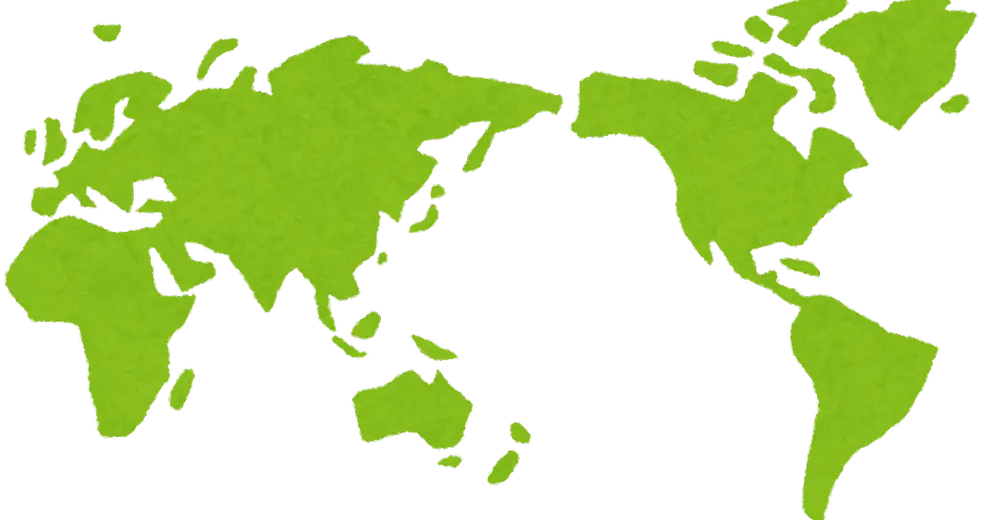 | |||
相手 | あいて | partner, opponent | ♪ Play | 試合の相手は誰ですか。 | 試[し] 合[あい]の相[あい] 手[て]は 誰[だれ]ですか。 | Who is the opponent of the match? | ♪ Play | 190 | 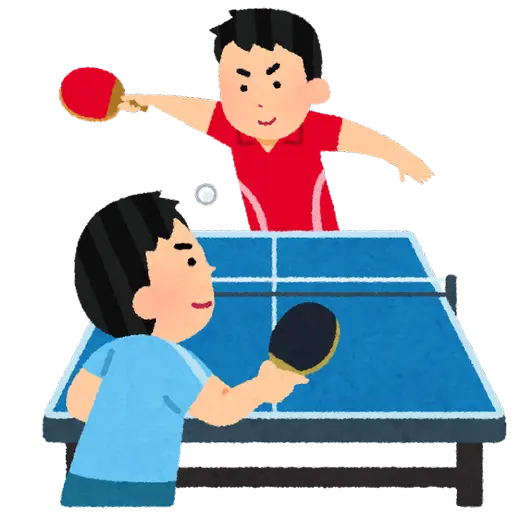 | |||
姿 | すがた | figure, appearance | ♪ Play | 遠くに彼女の姿が見えた。 | 遠[とお]くに 彼[かの] 女[じょ]の姿[すがた]が 見[み]えた。 | Her figure was visible from a distance. | ♪ Play | 191 |  | |||
死ぬ | しぬ | to die | ♪ Play | 犬が病気で死にました。 | 犬[いぬ]が 病[びょう] 気[き]で死[し]にました。 | My dog died due to sickness. | ♪ Play | 192 |  | |||
早い | はやい | early | ♪ Play | A「今朝、5時に起きました。」
B「早いですね。」 | A:「 今朝[けさ]、 5[ご] 時[じ]に 起[お]きました。」
B:「早[はや]いですね。」 | A: I woke up at 5 A.M. this morning.
B: That's early, isn't it? | ♪ Play | 198 | 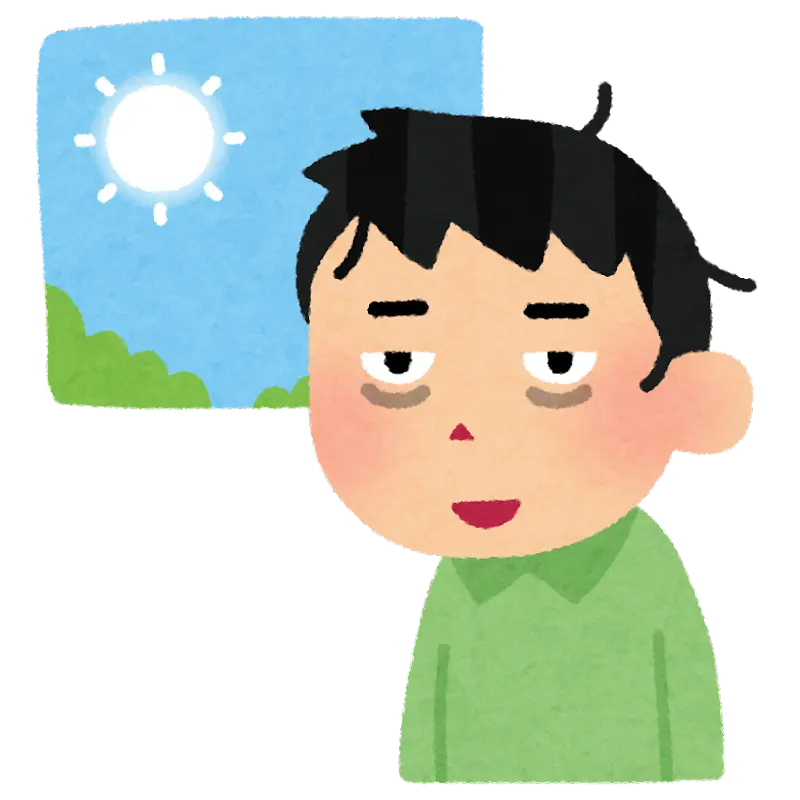 |