Kaishi 1.5k
| Word | Reading | Meaning | Word Audio | Sentence | Sentence Furigana | Sentence Meaning | Sentence Audio | Notes | Pitch Accent Notes | Frequency | Picture | Status |
|---|---|---|---|---|---|---|---|---|---|---|---|---|
早い | はやい | fast (in terms of time) | ♪ Play | A「東京から大阪まで2時間半です。」
B「早いですね。」 | A:「 東[とう] 京[きょう]から 大[おお] 阪[さか]まで 2[に] 時[じ] 間[かん] 半[はん]です。」
B:「早[はや]いですね。」 | A: It takes two and a half hours from Tokyo to Osaka.
B: That's fast, isn't it? | ♪ Play | When fast is related to (physical) speed, we write it 速い. | 198 |  | ||
頭 | あたま | head | ♪ Play | 今朝から頭が痛い。 | 今朝[けさ]から頭[あたま]が 痛[いた]い。 | My head has been hurting since this morning. | ♪ Play | 199 | 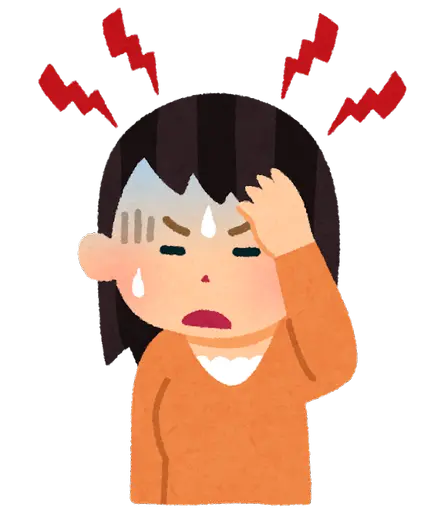 | |||
戻る | もどる | to return, to go back | ♪ Play | 今、会社に戻ります。 | 今[いま]、 会[かい] 社[しゃ]に戻[もど]ります。 | I'm going back to the office now. | ♪ Play | 201 |  | |||
ずっと | ずっと | continuously, the whole time | ♪ Play | ずっと日本へ留学したいと思っていました。 | ずっと 日本[にほん]へ 留[りゅう] 学[がく]したいと 思[おも]っていました。 | I always thought that I'd like to study abroad in Japan. | ♪ Play | The construction ずっと~たいと思った is like saying "I've always wanted to." | 205 | 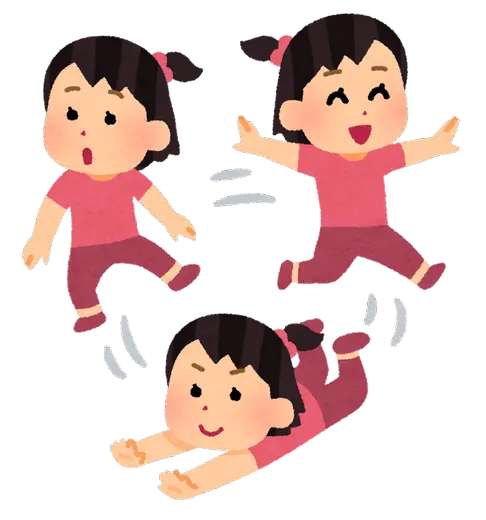 | ||
どうして | どうして | why | ♪ Play | どうして泣いているの。 | どうして 泣[な]いているの。 | Why are you crying? | ♪ Play | 208 | 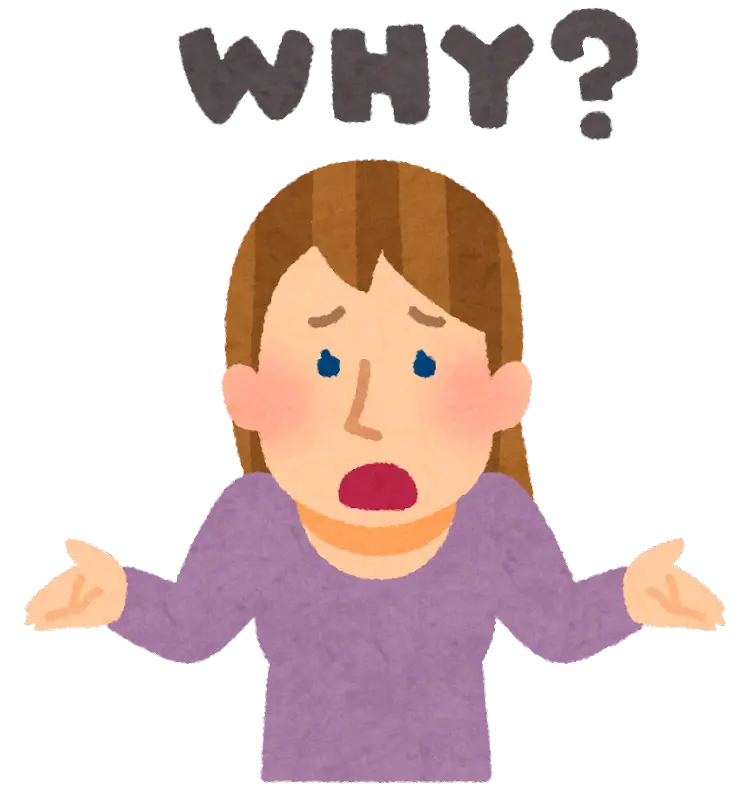 | |||
やっぱり | やっぱり | just as I thought, after all | ♪ Play | やっぱり旅が大好きだ。 | やっぱり 旅[たび]が 大[だい] 好[す]きだ。 | I really love to travel after all. | ♪ Play | Can be やはり as well, やっぱり being slightly more emphatic usually. | 213 |  | ||
つもり | つもり | intention, purpose | ♪ Play | 明日からタバコを止めるつもりです。 | 明日[あした]からタバコを 止[や]めるつもりです。 | I intend to stop smoking starting tomorrow. | ♪ Play | 214 |  | |||
必要 | ひつよう | necessary, needed | ♪ Play | これは授業に必要な本です。 | これは 授[じゅ] 業[ぎょう]に必[ひつ] 要[よう]な 本[ほん]です。 | This book is necessary for class. | ♪ Play | 215 |  | |||
終わる | おわる | to finish, to end | ♪ Play | 会議は4時に終わります。 | 会[かい] 議[ぎ]は 4[よ] 時[じ]に終[お]わります。 | The conference ends at four o'clock. | ♪ Play | 216 |  | |||
者 | もの | person | ♪ Play | 私は先ほど電話した者です。 | 私[わたし]は 先[さき]ほど 電[でん] 話[わ]した者[もの]です。 | I'm the person who called a while earlier. | ♪ Play | 217 |  | |||
後 | あと | after | ♪ Play | 仕事の後、映画を見た。 | 仕[し] 事[ごと]の後[あと]、 映[えい] 画[が]を 見[み]た。 | I saw a movie after work. | ♪ Play | Can also be read のち with a more formal nuance. | 221 |  | ||
こちら | こちら | here, this way | ♪ Play | 受付はこちらです。 | 受[うけ] 付[つけ]はこちらです。 | The reception desk is this way. | ♪ Play | 222 | 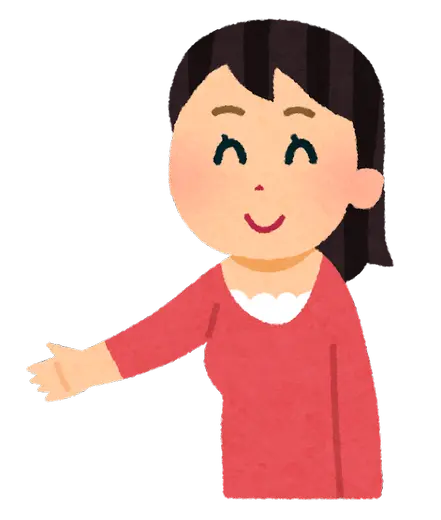 | |||
向かう | むかう | to face, to head toward | ♪ Play | 今、会社に向かっています。 | 今[いま]、 会[かい] 社[しゃ]に向[む]かっています。 | I'm heading for the office right now. | ♪ Play | 223 | 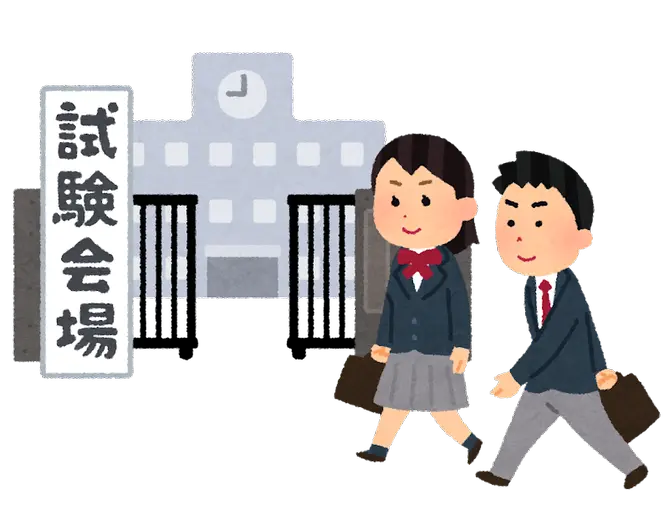 | |||
きっと | きっと | surely, certainly | ♪ Play | 明日はきっと雨が降ります。 | 明日[あした]はきっと 雨[あめ]が 降[ふ]ります。 | It will surely rain tomorrow. | ♪ Play | 228 |  | |||
変わる | かわる | to change | ♪ Play | 信号が青に変わりました。 | 信[しん] 号[ごう]が 青[あお]に変[か]わりました。 | The traffic light turned green. | ♪ Play | 229 | 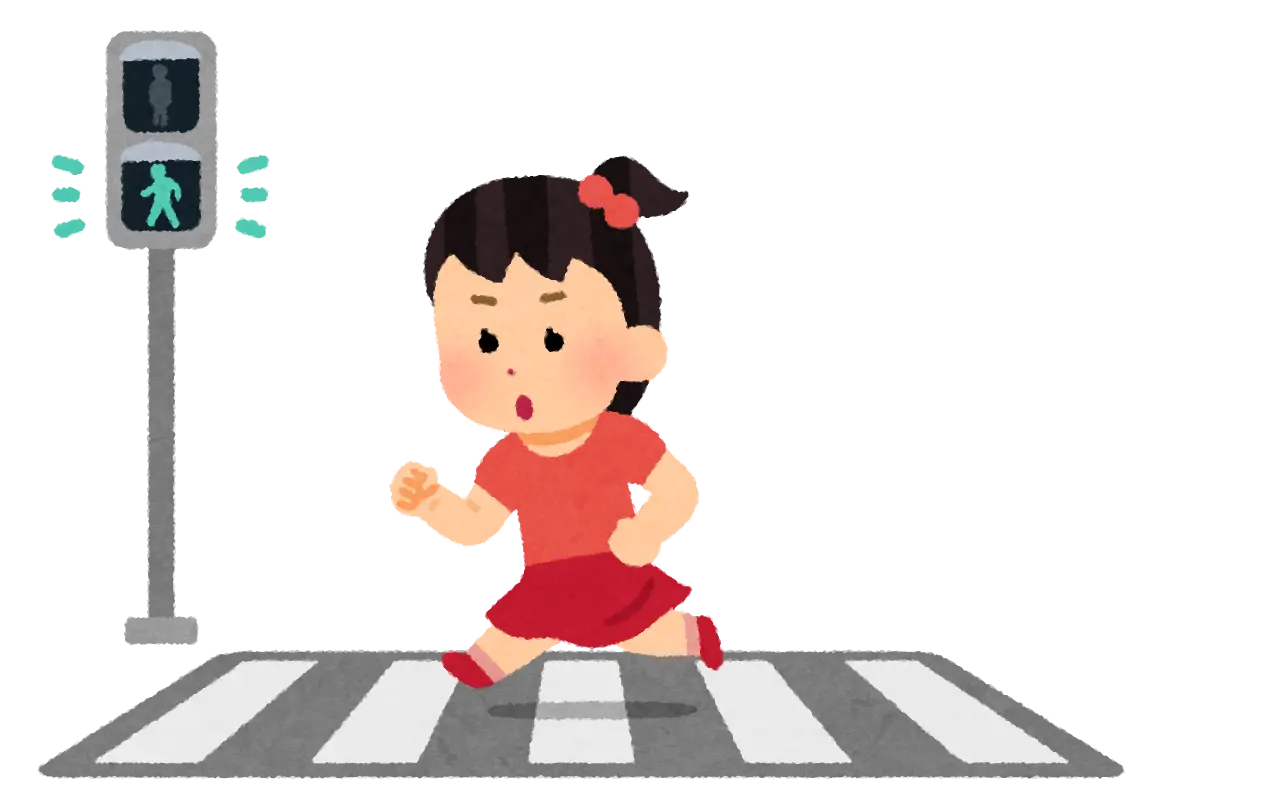 | |||
凄い | すごい | wonderful, great, a lot | ♪ Play | 凄い雨になった。 | 凄[すご]い 雨[あめ]になった。 | It began raining heavily. | ♪ Play | 232 | 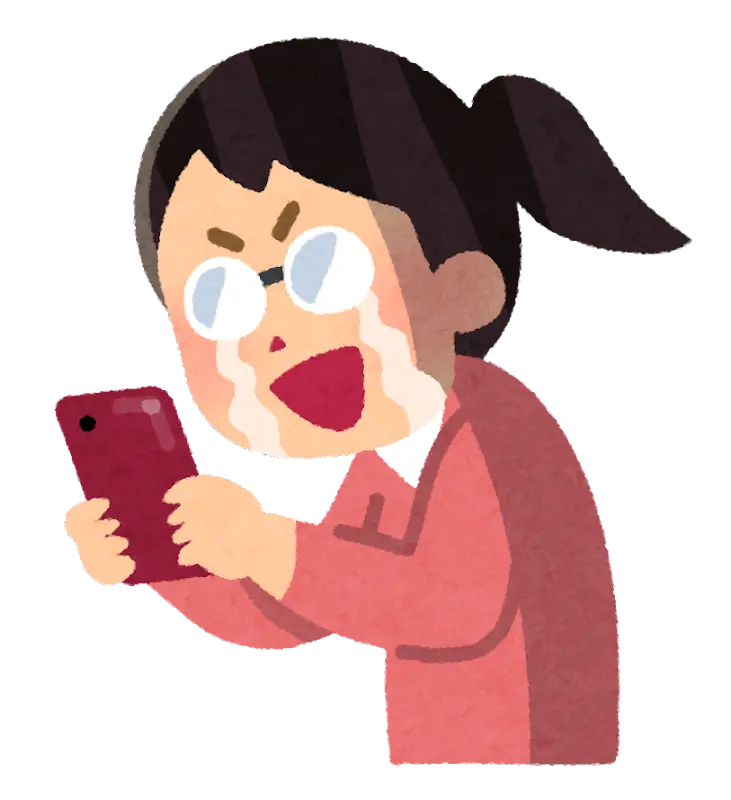 | |||
女 | おんな | woman, girl | ♪ Play | 店員は若い女の人でした。 | 店[てん] 員[いん]は 若[わか]い女[おんな]の 人[ひと]でした。 | The salesclerk was a young woman. | ♪ Play | 235 | 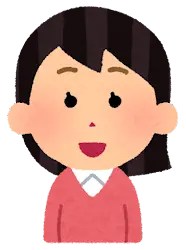 | |||
ちゃんと | ちゃんと | properly | ♪ Play | 朝食はちゃんと食べましたか。 | 朝[ちょう] 食[しょく]はちゃんと 食[た]べましたか。 | Did you properly eat breakfast? | ♪ Play | While it may seem strange in English, ちゃんと食べたか is a common thing to ask in Japan. | 237 |  | ||
音 | おと | sound | ♪ Play | 外で大きい音がします。 | 外[そと]で 大[おお]きい音[おと]がします。 | There is a loud noise outside. | ♪ Play | 241 | 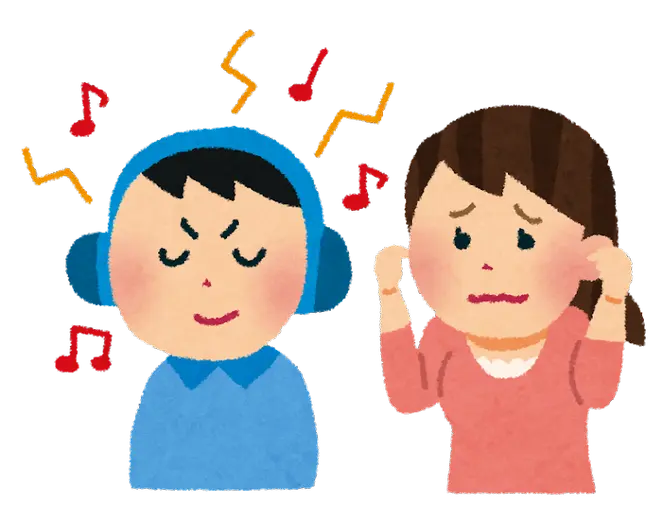 | |||
体 | からだ | body | ♪ Play | 妹は体が弱いです。 | 妹[いもうと]は体[からだ]が 弱[よわ]いです。 | My sister has a weak body. | ♪ Play | 245 | 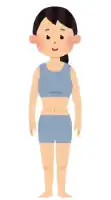 | |||
掛ける | かける | to hang, to put on | ♪ Play | 夫の服をハンガーに掛けた。 | 夫[おっと]の 服[ふく]をハンガーに掛[か]けた。 | I put my husband's clothes on a hanger. | ♪ Play | 256 |  | |||
歩く | あるく | to walk, to go on foot | ♪ Play | 駅まで歩きましょう。 | 駅[えき]まで歩[ある]きましょう。 | Let's walk to the station. | ♪ Play | 259 |  | |||
存在 | そんざい | existence, being | ♪ Play | 宇宙人は存在すると思いますか。 | 宇[う] 宙[ちゅう] 人[じん]は存[そん] 在[ざい]すると 思[おも]いますか。 | Do you think that aliens exist? | ♪ Play | 265 |  | |||
過ぎる | すぎる | to exceed, to pass by | ♪ Play | 時が過ぎるのは速い。 | 時[とき]が過[す]ぎるのは 速[はや]い。 | Time passes quickly. | ♪ Play | 266 | 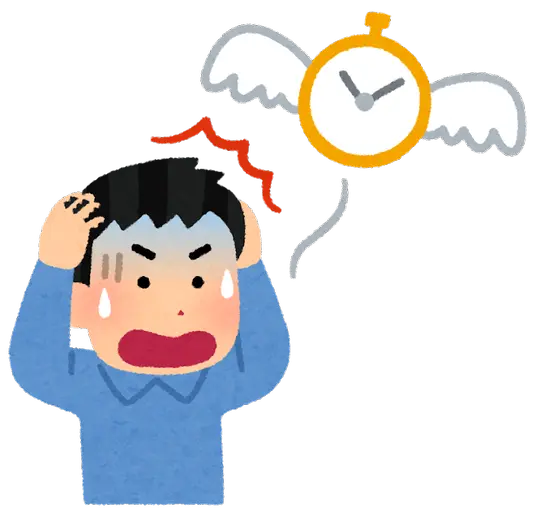 | |||
聞こえる | きこえる | to be able to hear | ♪ Play | 隣の部屋からテレビの音が聞こえる。 | 隣[となり]の 部屋[へや]からテレビの 音[おと]が聞[き]こえる。 | I can hear the sound of the television from the next room. | ♪ Play | 267 | 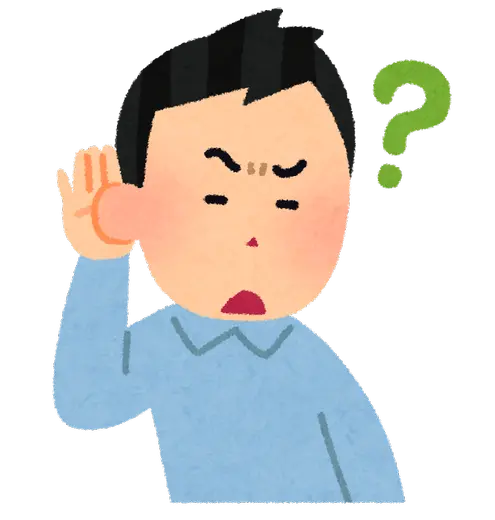 | |||
受ける | うける | to receive, to accept | ♪ Play | 親友の言葉に、酷いショックを受けた。 | 親[しん] 友[ゆう]の 言[こと] 葉[ば]に、 酷[ひど]いショックを受[う]けた。 | I was terribly shocked at my friend's words. | ♪ Play | In this sentence, it literally means you received a terrible shock. | 268 | 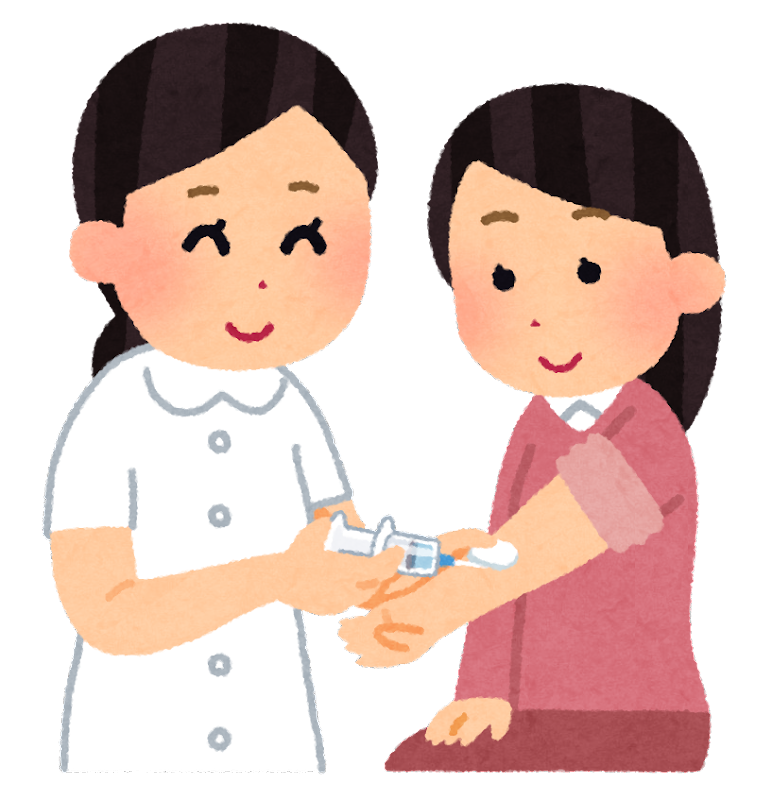 | ||
今年 | ことし | this year | ♪ Play | 今年はイタリアに旅行したい。 | 今年[ことし]はイタリアに 旅[りょ] 行[こう]したい。 | I want to travel to Italy this year. | ♪ Play | 1,770 | 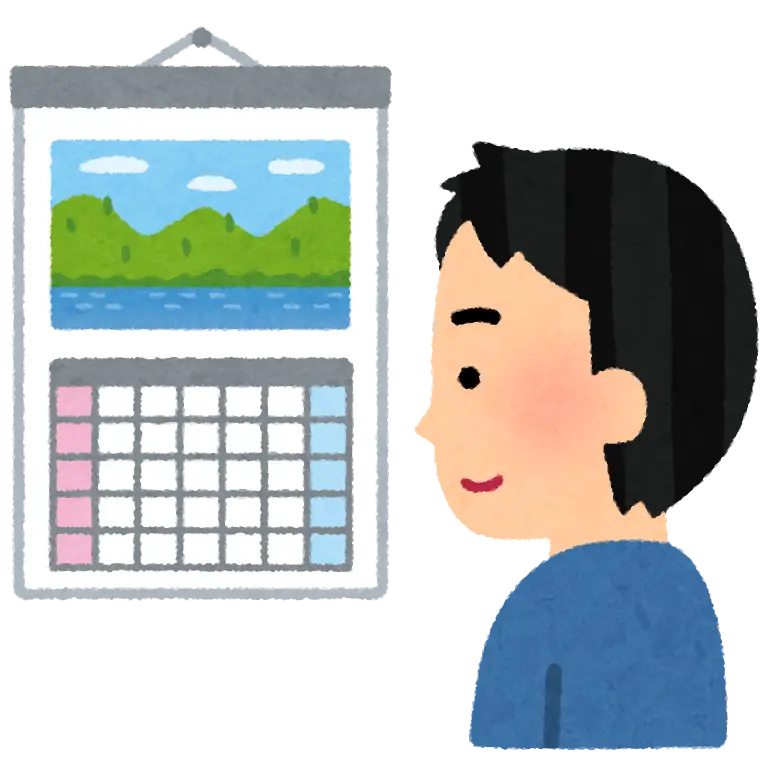 | |||
去年 | きょねん | last year | ♪ Play | 私は去年フランスへ行った。 | 私[わたし]は去[きょ] 年[ねん]フランスへ 行[い]った。 | I went to France last year. | ♪ Play | 2,819 |  | |||
来年 | らいねん | next year | ♪ Play | 来年一緒に旅行しましょう。 | 来[らい] 年[ねん] 一[いっ] 緒[しょ]に 旅[りょ] 行[こう]しましょう。 | Let's travel together next year. | ♪ Play | 4,134 |  | |||
殺す | ころす | to kill | ♪ Play | 私は生き物を殺すのが嫌いだ。 | 私[わたし]は 生[い]き 物[もの]を殺[ころ]すのが 嫌[きら]いだ。 | I hate killing living things. | ♪ Play | 269 |  | |||
まさか | まさか | by no means, never! | ♪ Play | まさか彼がやったんじゃないよね? | まさか 彼[かれ]がやったんじゃないよね? | No way. He didn’t do that, did he? | ♪ Play | 271 |  | |||
絶対 | ぜったい | absolutely | ♪ Play | そんなことは絶対できないよ。 | そんなことは絶[ぜっ] 対[たい]できないよ。 | I can never ever do such a thing. | ♪ Play | 278 | 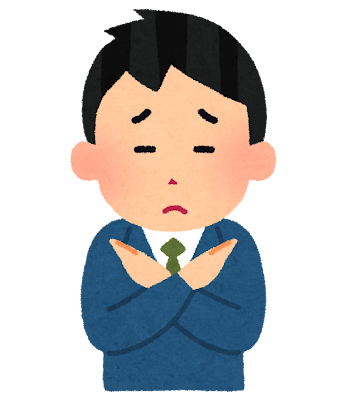 | |||
理由 | りゆう | reason, cause | ♪ Play | 遅れた理由を教えてください。 | 遅[おく]れた理[り] 由[ゆう]を 教[おし]えてください。 | Please tell me why you were late. | ♪ Play | 280 |  | |||
口 | くち | mouth | ♪ Play | 口を大きく開けてください。 | 口[くち]を 大[おお]きく 開[あ]けてください。 | Open wide, please. | ♪ Play | 281 | 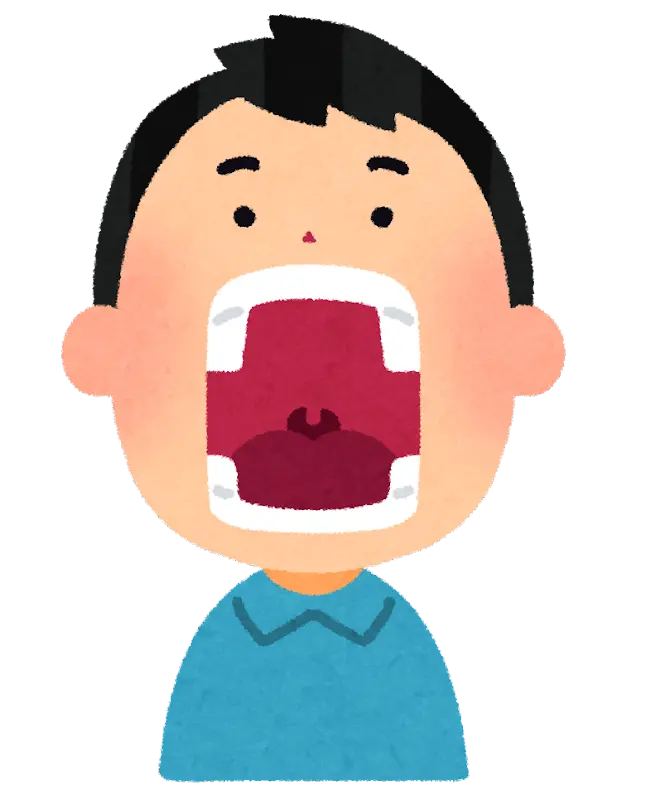 | |||
外 | そと | outside | ♪ Play | 外は暑いよ。 | 外[そと]は 暑[あつ]いよ。 | It's hot outside. | ♪ Play | 282 | 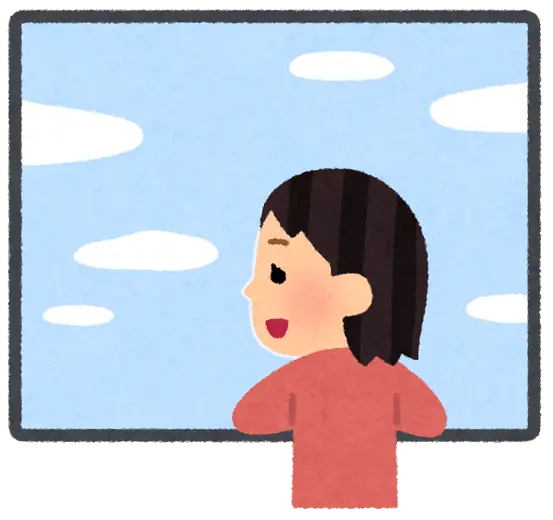 | |||
逃げる | にげる | to escape, to run away | ♪ Play | 鳥が窓から逃げたよ。 | 鳥[とり]が 窓[まど]から逃[に]げたよ。 | The bird flew out of the window. | ♪ Play | 283 |  | |||
誰か | だれか | someone | ♪ Play | 誰かに聞いてみてください。 | 誰[だれ]かに 聞[き]いてみてください。 | Please try asking someone. | ♪ Play | 285 |  | |||
まるで | まるで | just like, completely | ♪ Play | 彼はまるで子供のようにはしゃいだよ。 | 彼[かれ]はまるで 子[こ] 供[ども]のようにはしゃいだよ。 | He was excited just like a kid. | ♪ Play | 286 |  | |||
他 | ほか | another, somewhere else | ♪ Play | 他に方法がありません。 | 他[ほか]に 方[ほう] 法[ほう]がありません。 | There's no other way. | ♪ Play | 287 | 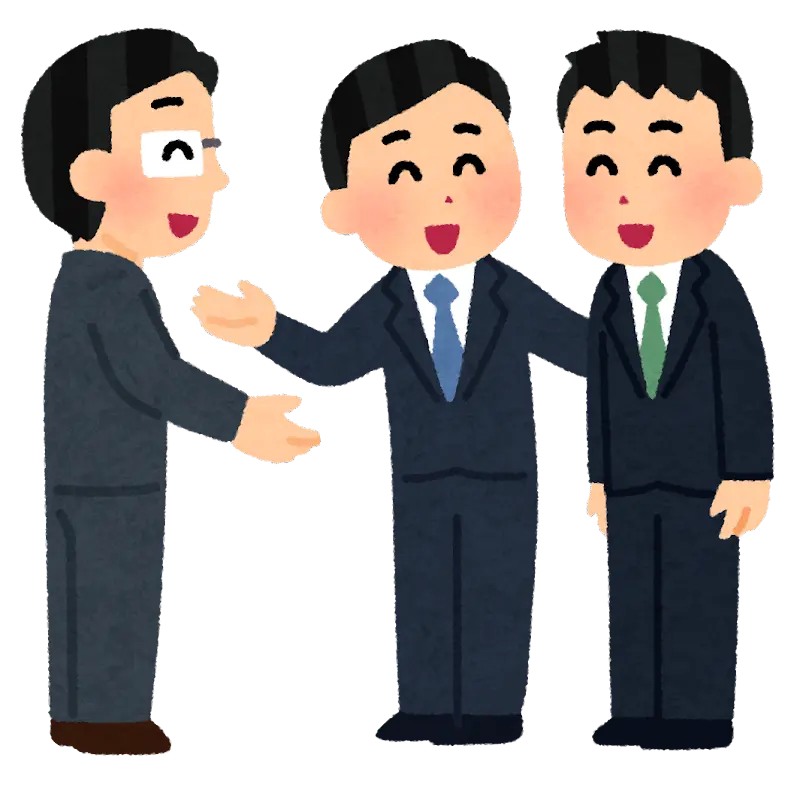 | |||
他 | た | other (esp. people and abstract matters) | ♪ Play | 留学生はアジア人が多く、その他は3割です。 | 留[りゅう] 学[がく] 生[せい]はアジア 人[じん]が 多[おお]く、その他[た]は 3[さん] 割[わり]です。 | The majority of foreign students are Asian, with 30 percent from other regions. | ♪ Play | In this context there is an exception with その他 being その\た. | 287 | 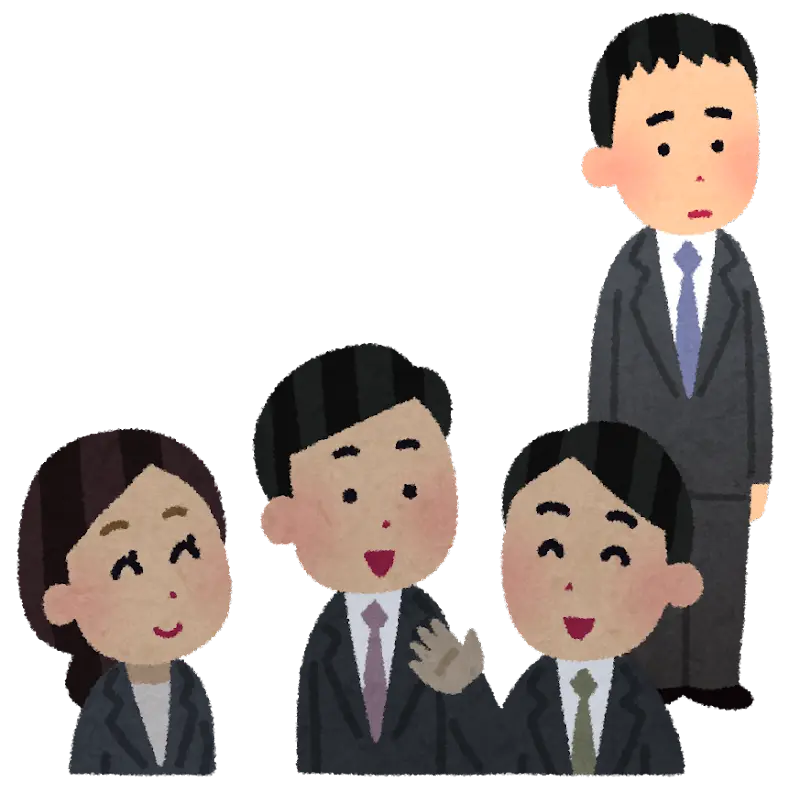 | ||
問題 | もんだい | problem, question | ♪ Play | 問題が一つあります。 | 問[もん] 題[だい]が 一[ひと]つあります。 | There's one problem. | ♪ Play | 291 | 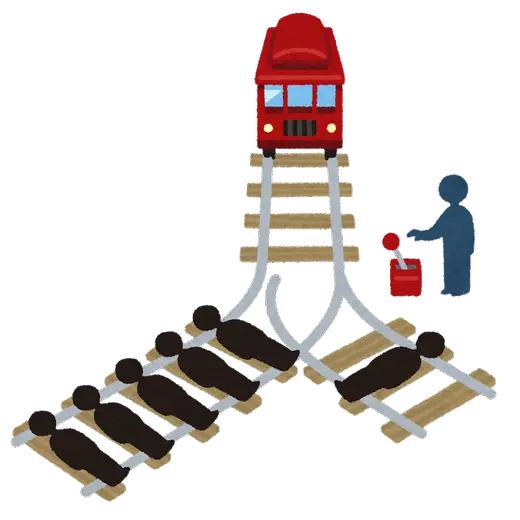 | |||
今後 | こんご | after this, in the future | ♪ Play | 今後ともよろしくお願いします。 | 今[こん] 後[ご]ともよろしくお 願[ねが]いします。 | I look forward to working with you in the future. | ♪ Play | This specific sentence is a set phrase. | 1,253 |  | ||
普通 | ふつう | normal, regular, average | ♪ Play | あの店は料理もサービスも普通です。 | あの 店[みせ]は 料[りょう] 理[り]もサービスも普[ふ] 通[つう]です。 | The food and the service at that restaurant is average. | ♪ Play | 293 | 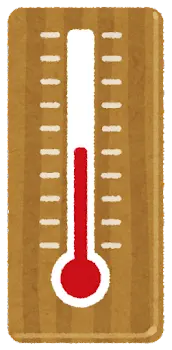 | |||
心 | こころ | heart, mind | ♪ Play | 彼は素直な心を持っている。 | 彼[かれ]は 素[す] 直[なお]な心[こころ]を 持[も]っている。 | He has an honest heart. | ♪ Play | 295 |  | |||
春 | はる | spring | ♪ Play | 今年の春は暖かいね。 | 今年[ことし]の春[はる]は 暖[あたた]かいね。 | This year's spring is warm, isn't it? | ♪ Play | 1,985 | 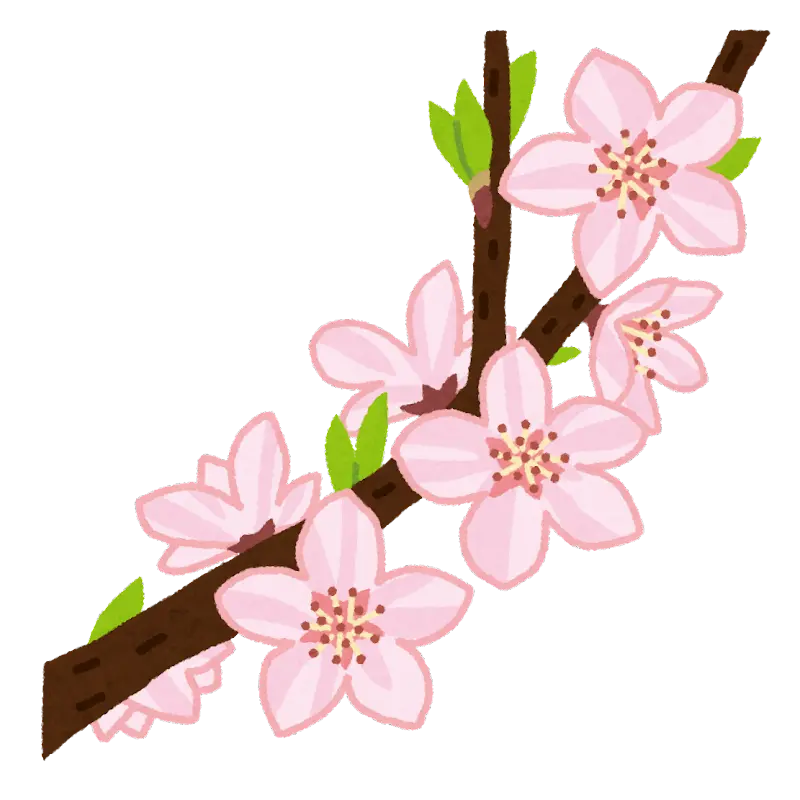 | |||
夏 | なつ | summer | ♪ Play | 私は夏が大好き。 | 私[わたし]は夏[なつ]が 大[だい] 好[す]き。 | I love summer. | ♪ Play | 1,623 |  | |||
秋 | あき | fall | ♪ Play | 彼女は秋に結婚します。 | 彼[かの] 女[じょ]は秋[あき]に 結[けっ] 婚[こん]します。 | She'll get married this fall. | ♪ Play | 3,363 | 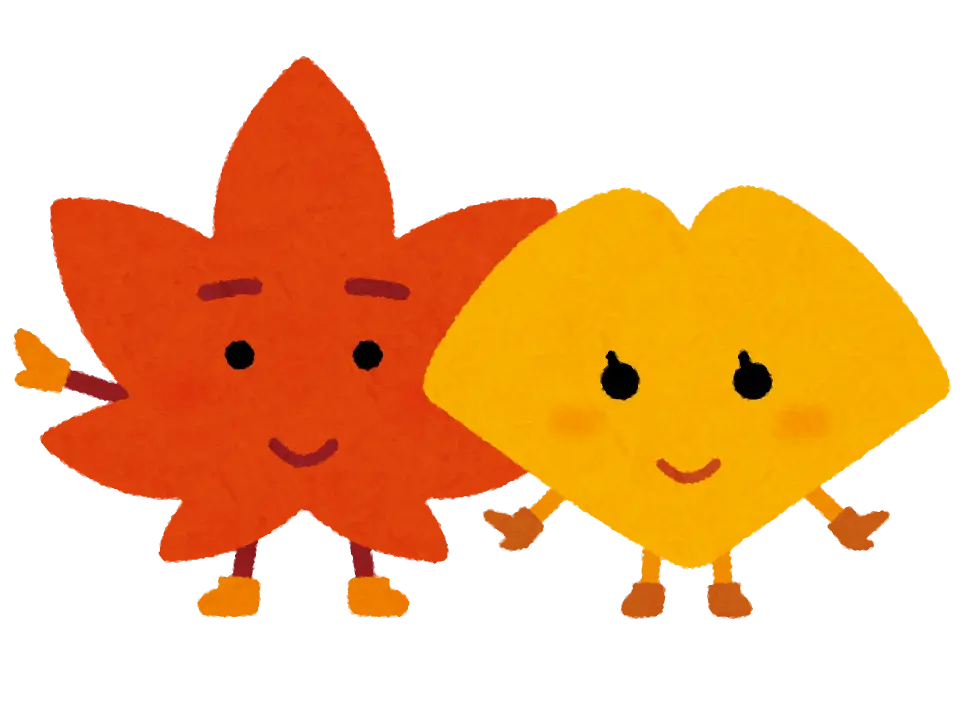 | |||
冬 | ふゆ | winter | ♪ Play | カナダの冬はとても寒いです。 | カナダの冬[ふゆ]はとても 寒[さむ]いです。 | Canadian winters are very cold. | ♪ Play | 2,121 |  | |||
以上 | いじょう | ... or more, beyond | ♪ Play | 夏は30度以上の日が何日もあります。 | 夏[なつ]は30 度[ど]以[い] 上[じょう]の 日[ひ]が 何[なん] 日[にち]もあります。 | There are several days in the summer that are 30 degrees Celsius or more. | ♪ Play | Usually always compounds causing the word before it to become flat. However, for larger things, 以上 sometimes doesn't compound.
It only compounds 100% of the time after a counter (which is what happens in 30度以上, as 度 is a counter for degrees in this case.) | 298 |  | ||
それで | それで | then, so | ♪ Play | 昨日は熱がありました。それで、学校を休みました。 | 昨日[きのう]は 熱[ねつ]がありました。それで、 学[がっ] 校[こう]を 休[やす]みました。 | I had a fever yesterday. Because of this, I took the day off from school. | ♪ Play | 298 |  |