Kaishi 1.5k
| Word | Reading | Meaning | Word Audio | Sentence | Sentence Furigana | Sentence Meaning | Sentence Audio | Notes | Pitch Accent Notes | Frequency | Picture | Status |
|---|---|---|---|---|---|---|---|---|---|---|---|---|
余計 | よけい | excess, needless | ♪ Play | 余計なことを言ってはだめよ。 | 余[よ] 計[けい]なことを 言[い]ってはだめよ。 | Don't say things you don't need to say. | ♪ Play | 986 | 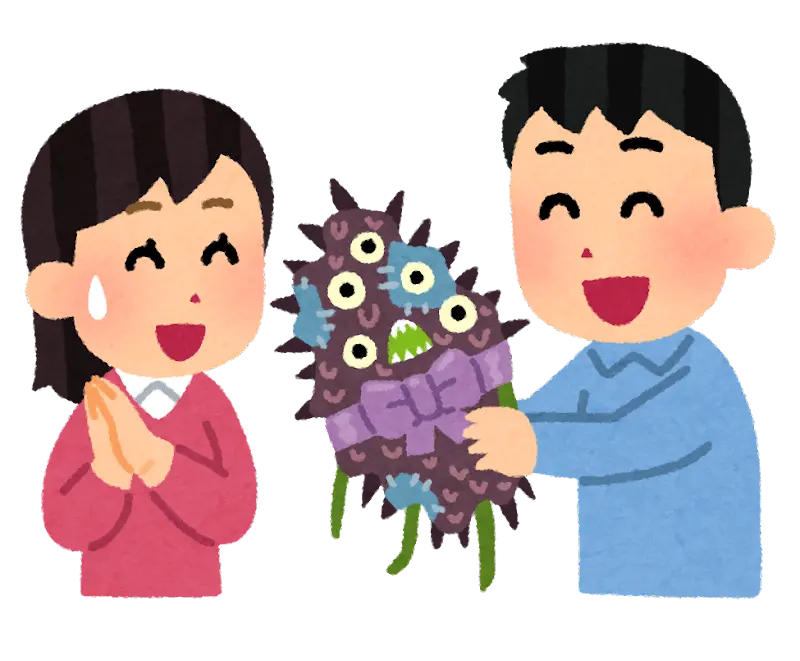 | |||
他に | ほかに | else, in addition | ♪ Play | A「他にご注文は?」
B「コーヒーをお願いします。」 | A「他[ほか]にご 注[ちゅう] 文[もん]は?」
B「コーヒーをお 願[ねが]いします。」 | A: Would you like anything else?
B: Coffee, please. | ♪ Play | 987 |  | |||
誘う | さそう | to invite, to ask out | ♪ Play | 彼女をデートに誘った。 | 彼[かの] 女[じょ]をデートに誘[さそ]った。 | I asked her out on a date. | ♪ Play | 988 | 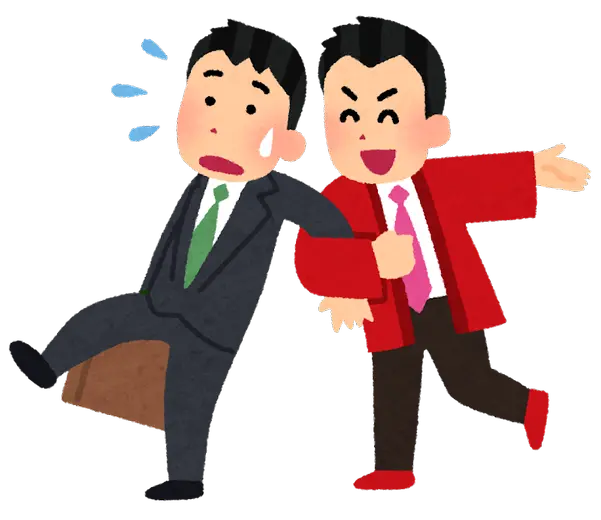 | |||
付き合う | つきあう | to socialize with, to see someone | ♪ Play | 彼女と4年ほど付き合っています。 | 彼[かの] 女[じょ]と 4[よ] 年[ねん]ほど付[つ]き 合[あ]っています。 | I've been seeing her for 4 years now. | ♪ Play | Can mean both "accompany someone" or "see someone romantically". | 989 | 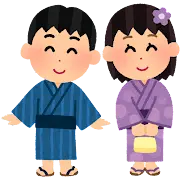 | ||
村 | むら | village | ♪ Play | 私は隣の村から来ました。 | 私[わたし]は 隣[となり]の村[むら]から 来[き]ました。 | I came from the next village over. | ♪ Play | 990 | 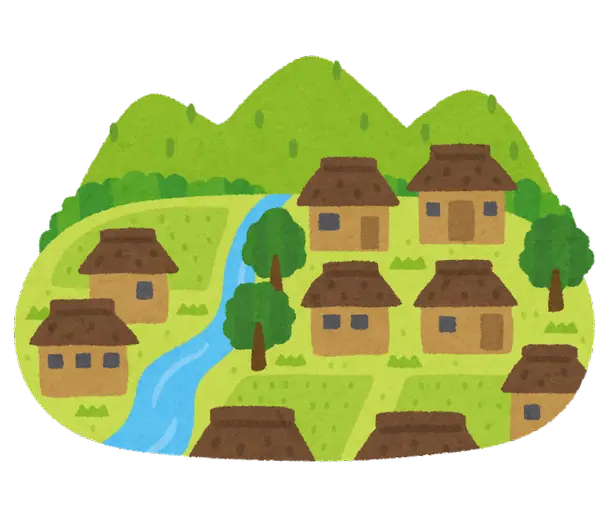 | |||
人物 | じんぶつ | character, person | ♪ Play | 彼は会社の重要な人物です。 | 彼[かれ]は 会[かい] 社[しゃ]の 重[じゅう] 要[よう]な人[じん] 物[ぶつ]です。 | He is an important person in the company. | ♪ Play | 991 | 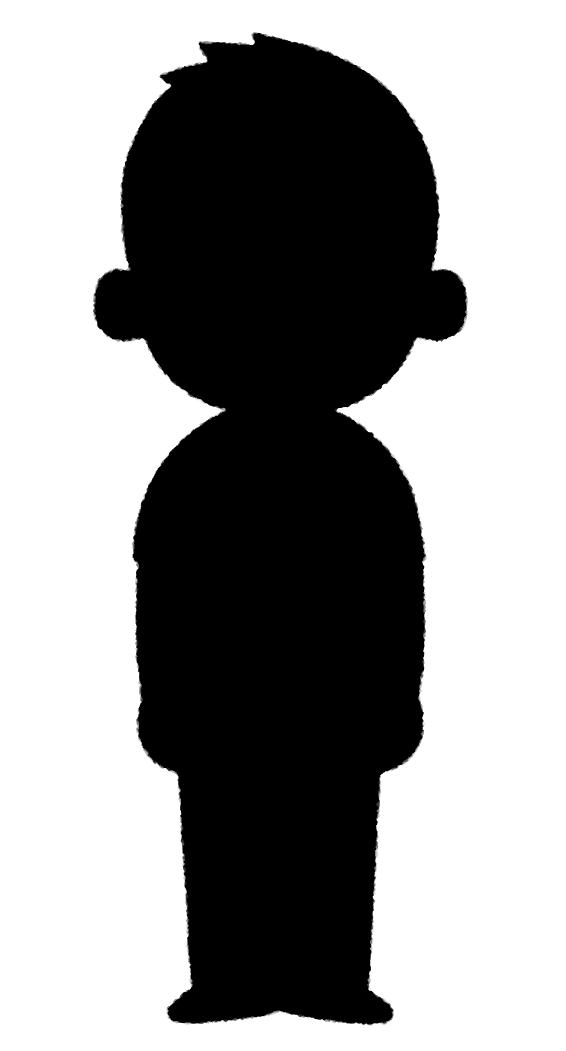 | |||
数 | かず | number | ♪ Play | グラスの数が足りません。 | グラスの数[かず]が 足[た]りません。 | There are not enough glasses. | ♪ Play | 992 | 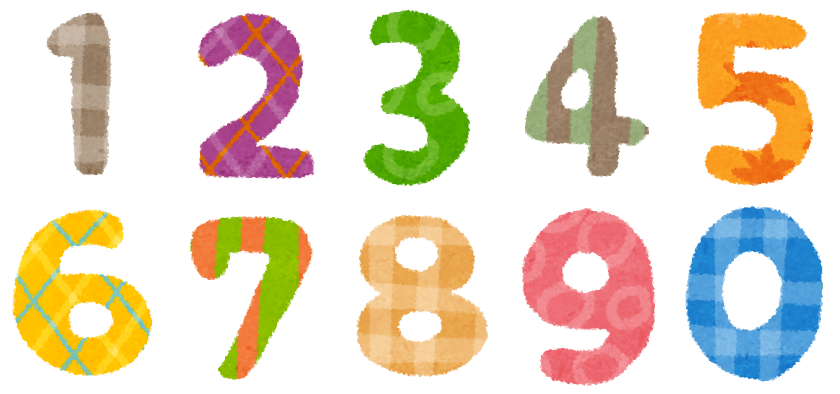 | |||
危ない | あぶない | dangerous, uncertain | ♪ Play | その道は車が多くて危ない。 | その 道[みち]は 車[くるま]が 多[おお]くて危[あぶ]ない。 | There are many cars on that road, so it's dangerous. | ♪ Play | 993 | 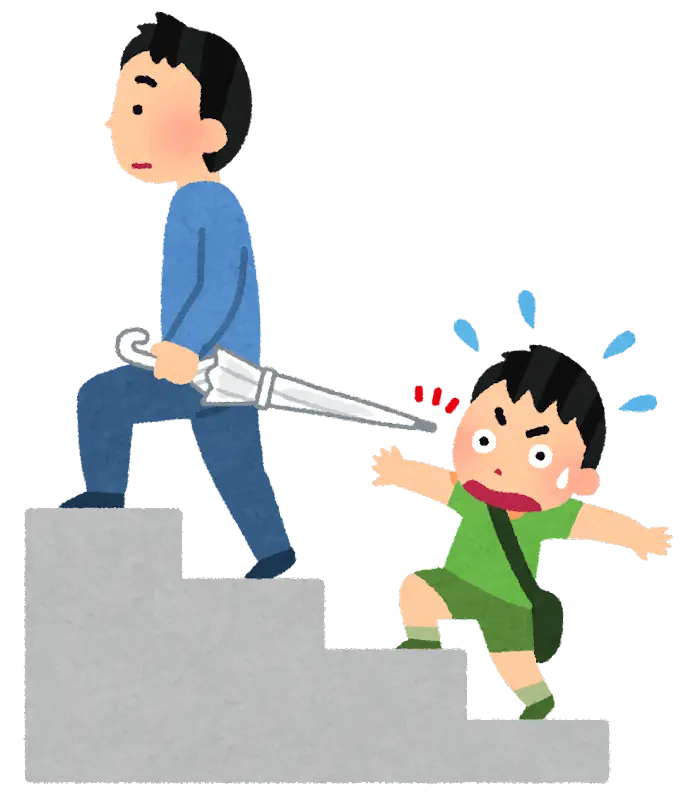 | |||
事情 | じじょう | circumstances, conditions | ♪ Play | あなたの事情はよく分かりました。 | あなたの事[じ] 情[じょう]はよく 分[わ]かりました。 | I understand your situation well. | ♪ Play | 994 | 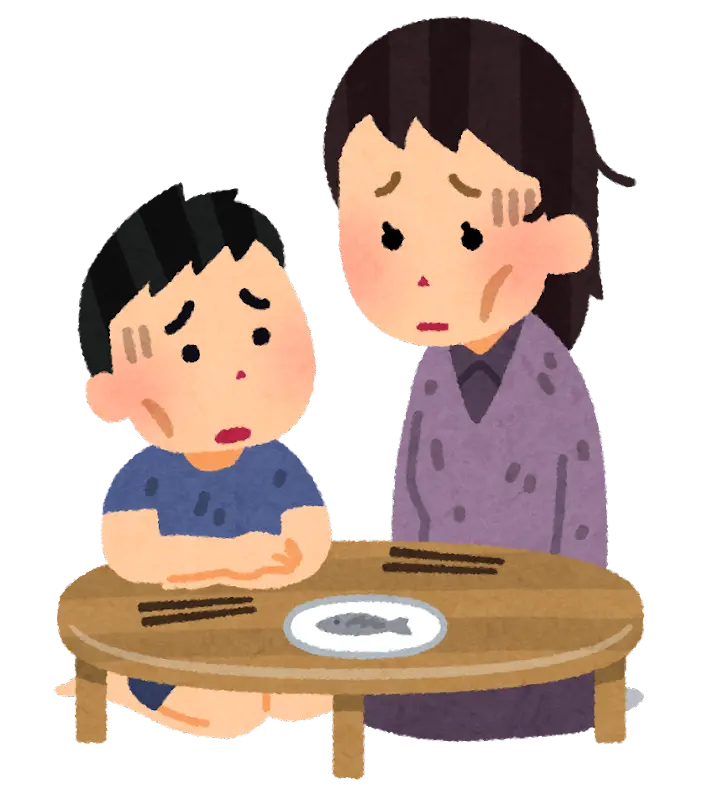 | |||
本当に | ほんとうに | really, truly | ♪ Play | あなたが本当に好きです。 | あなたが本[ほん] 当[とう]に 好[す]きです。 | I really like you. | ♪ Play | 995 |  | |||
噂 | うわさ | gossip, rumor | ♪ Play | その噂は本当ですか。 | その噂[うわさ]は 本[ほん] 当[とう]ですか。 | Is that rumor true? | ♪ Play | 996 |  | |||
断る | ことわる | to refuse, to turn down | ♪ Play | 私は彼のプロポーズを断った。 | 私[わたし]は 彼[かれ]のプロポーズを断[ことわ]った。 | I turned down his marriage proposal. | ♪ Play | 997 | 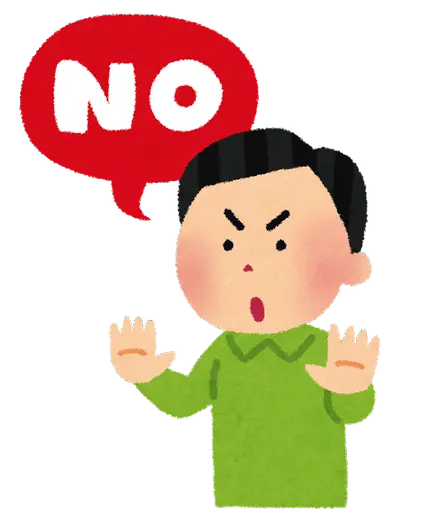 | |||
どうか | どうか | if possible, somehow | ♪ Play | どうかお許しください。 | どうかお 許[ゆる]しください。 | Please forgive me. | ♪ Play | This is usually used in a formal setting to strongly ask for a request. | 998 |  | ||
巨大 | きょだい | huge, gigantic | ♪ Play | あの巨大な建物は博物館です。 | あの巨[きょ] 大[だい]な 建[たて] 物[もの]は 博[はく] 物[ぶつ] 館[かん]です。 | That huge building is a museum. | ♪ Play | 1,000 | 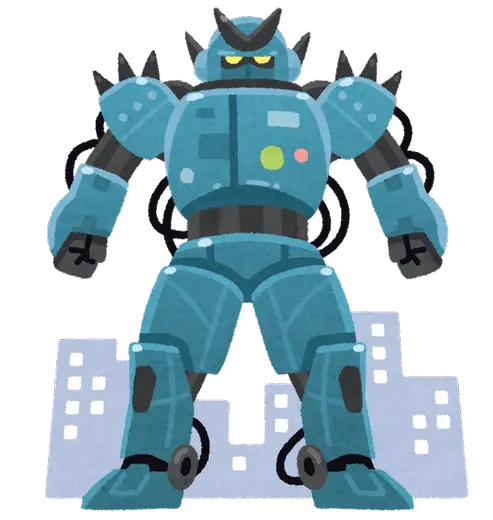 | |||
最高 | さいこう | best, supreme | ♪ Play | これまでで最高の結果が出たよ。 | これまでで最[さい] 高[こう]の 結[けっ] 果[か]が 出[で]たよ。 | I got my best results so far. | ♪ Play | 1,001 |  | |||
お金 | おかね | money | ♪ Play | 日本のお金は円です。 | 日本[にほん]のお 金[かね]は 円[えん]です。 | The Japanese currency is yen. | ♪ Play | 1,002 |  | |||
傷 | きず | wound, cut | ♪ Play | この傷はすぐ良くなるでしょう。 | この傷[きず]はすぐ 良[よ]くなるでしょう。 | I'm sure this wound will get better right away. | ♪ Play | 1,003 | 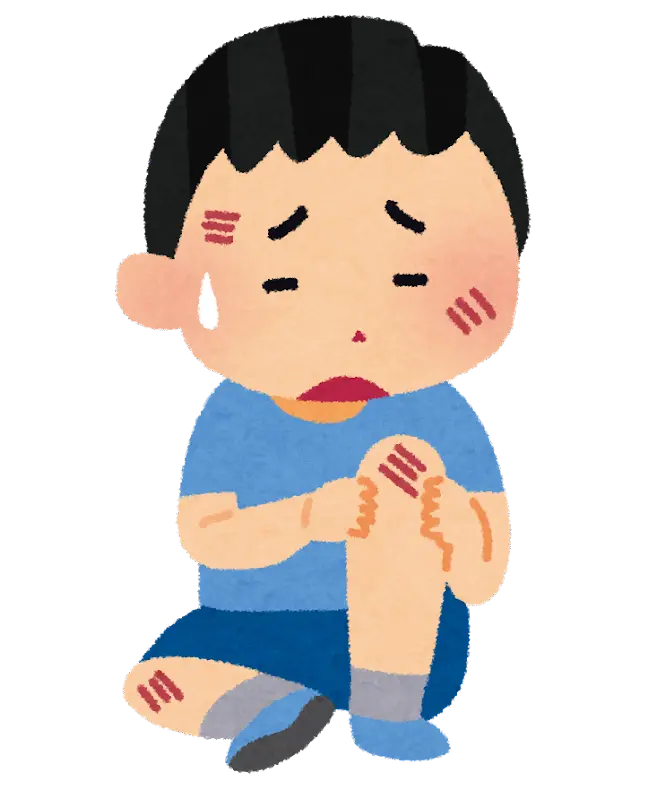 | |||
怒り | いかり | anger, rage | ♪ Play | 彼は怒りを抑えていたの。 | 彼[かれ]は怒[いか]りを 抑[おさ]えていたの。 | He was holding back his anger. | ♪ Play | 1,004 | 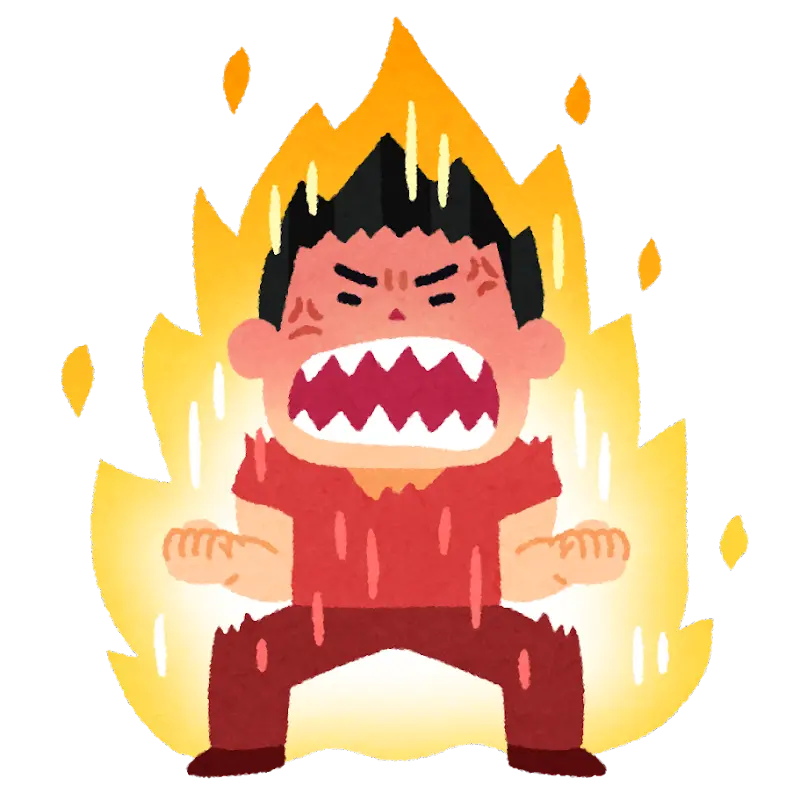 | |||
どうやって | どうやって | how, in what way | ♪ Play | A「空港までどうやって行きますか。」
B「新宿からバスで行きます。」 | A「 空[くう] 港[こう]までどうやって 行[い]きますか。」
B「 新[しん] 宿[じゅく]からバスで 行[い]きます。」 | A: How do I get to the airport?
B: You can take the bus from Shinjuku. | ♪ Play | 1,007 |  | |||
効果 | こうか | effect, result | ♪ Play | この薬には胃を守る効果がある。 | この 薬[くすり]には 胃[い]を 守[まも]る効[こう] 果[か]がある。 | This medicine is effective in protecting your stomach. | ♪ Play | 1,009 | 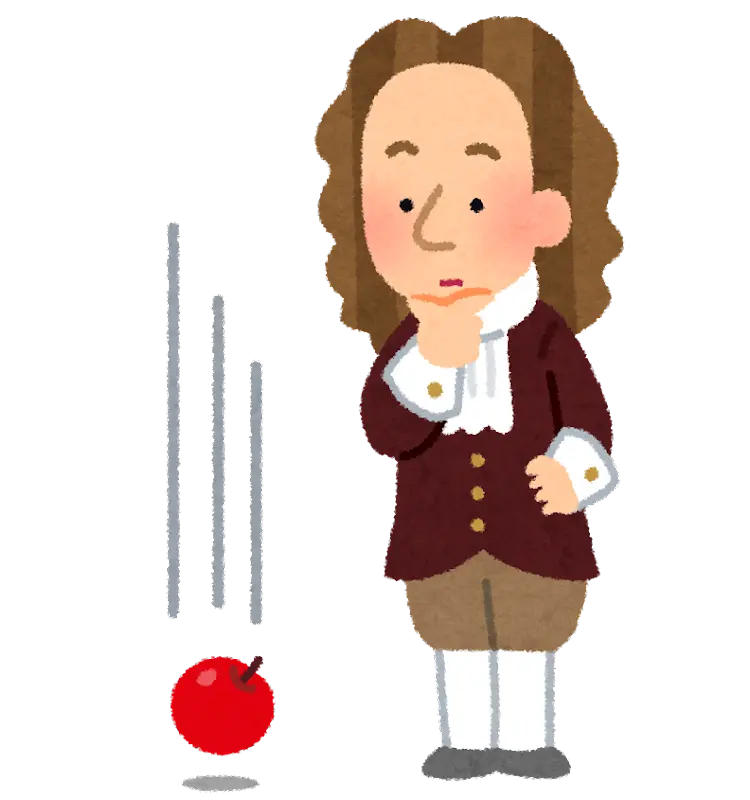 | |||
取り出す | とりだす | to take out, to pull out | ♪ Play | 彼はポケットから財布を取り出したの。 | 彼[かれ]はポケットから 財[さい] 布[ふ]を取[と]り 出[だ]したの。 | He took his wallet out of his pocket. | ♪ Play | 1,011 | 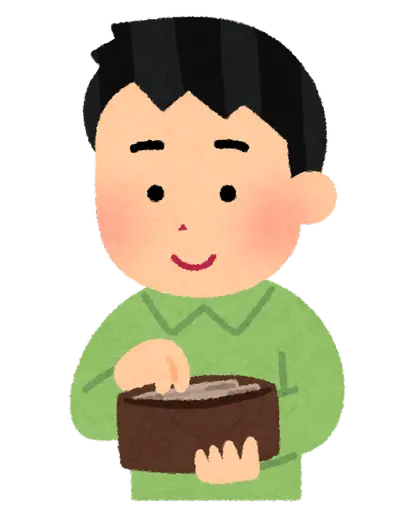 | |||
黒 | くろ | black | ♪ Play | 黒のボールペンはありますか。 | 黒[くろ]のボールペンはありますか。 | Do you have a black pen? | ♪ Play | 1,013 | 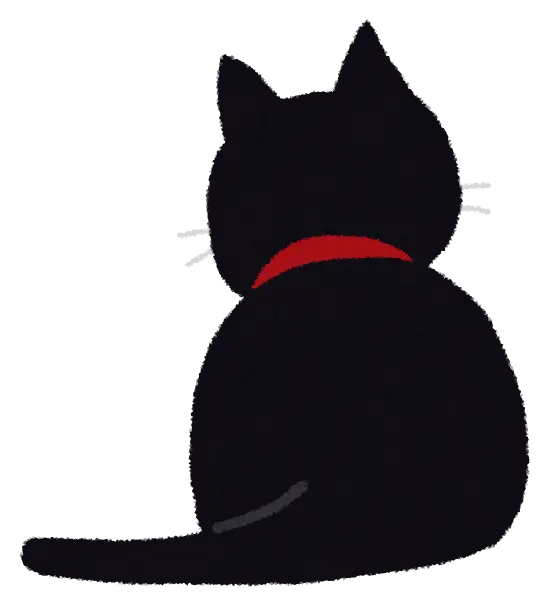 | |||
愛 | あい | love | ♪ Play | 彼女は愛をこめて手紙を書いた。 | 彼[かの] 女[じょ]は愛[あい]をこめて 手[て] 紙[がみ]を 書[か]いた。 | She wrote a letter full of love. | ♪ Play | 1,015 | 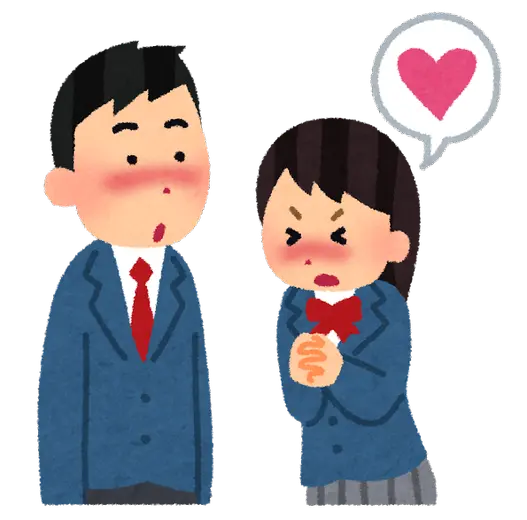 | |||
直接 | ちょくせつ | directly | ♪ Play | 彼に直接お願いしなさい。 | 彼[かれ]に直[ちょく] 接[せつ]お 願[ねが]いしなさい。 | Ask him directly. | ♪ Play | 1,016 |  | |||
浮かぶ | うかぶ | to float | ♪ Play | 沖にボートが浮かんでいます。 | 沖[おき]にボートが浮[う]かんでいます。 | The boat is floating off the coast. | ♪ Play | 1,018 | 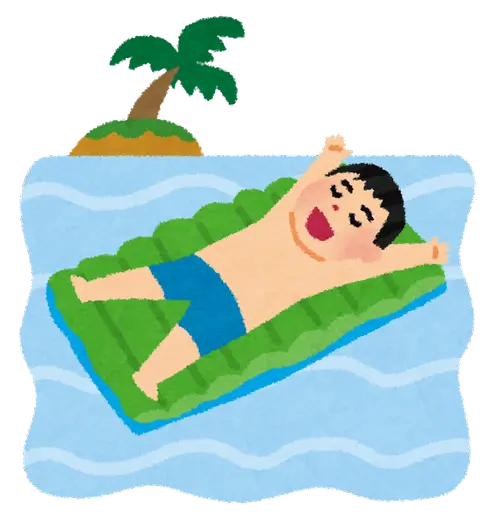 | |||
抜ける | ぬける | to fall out, to leave | ♪ Play | 彼はグループから抜けました。 | 彼[かれ]はグループから抜[ぬ]けました。 | He left the group. | ♪ Play | 1,019 | 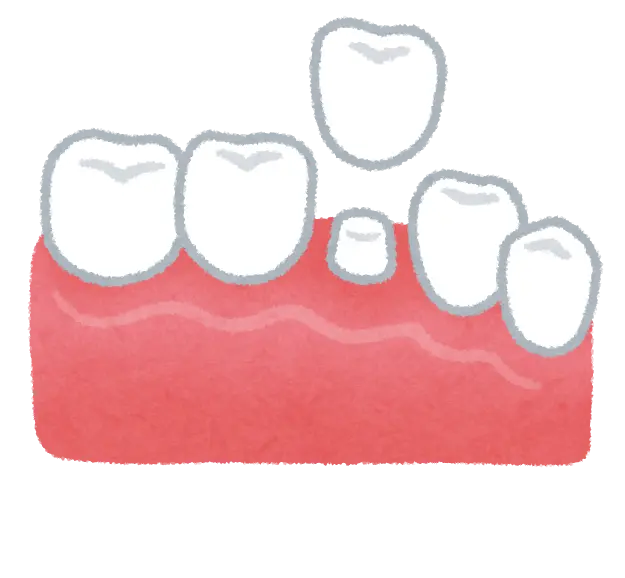 | |||
暗い | くらい | dark | ♪ Play | 部屋が暗いです。 | 部屋[へや]が暗[くら]いです。 | The room is dark. | ♪ Play | 1,020 |  | |||
息 | いき | breath | ♪ Play | 大きく息を吸ってください。 | 大[おお]きく息[いき]を 吸[す]ってください。 | Please take a deep breath. | ♪ Play | 1,021 |  | |||
駄目 | だめ | no good | ♪ Play | 彼は駄目な男だ。 | 彼[かれ]は駄[だ] 目[め]な 男[おとこ]だ。 | He's a loser. | ♪ Play | 1,022 | 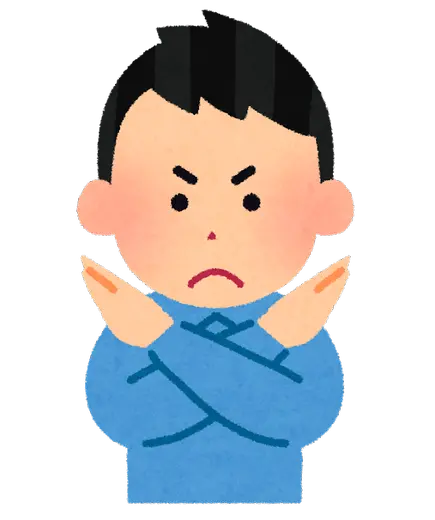 | |||
点 | てん | point, mark | ♪ Play | 昨日のテストの点は良くなかったです。 | 昨日[きのう]のテストの点[てん]は 良[よ]くなかったです。 | My score on yesterday's test wasn't good. | ♪ Play | 1,023 | 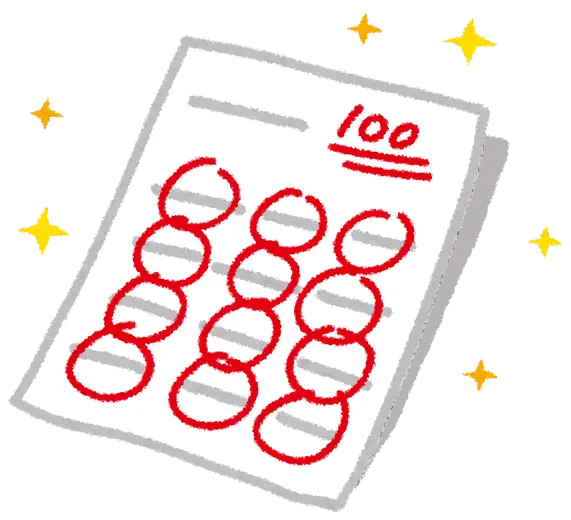 | |||
参加 | さんか | participation | ♪ Play | 明日は市民マラソンに参加します。 | 明日[あす]は 市[し] 民[みん]マラソンに参[さん] 加[か]します。 | I'll participate in the citizens' marathon tomorrow. | ♪ Play | 1,025 | 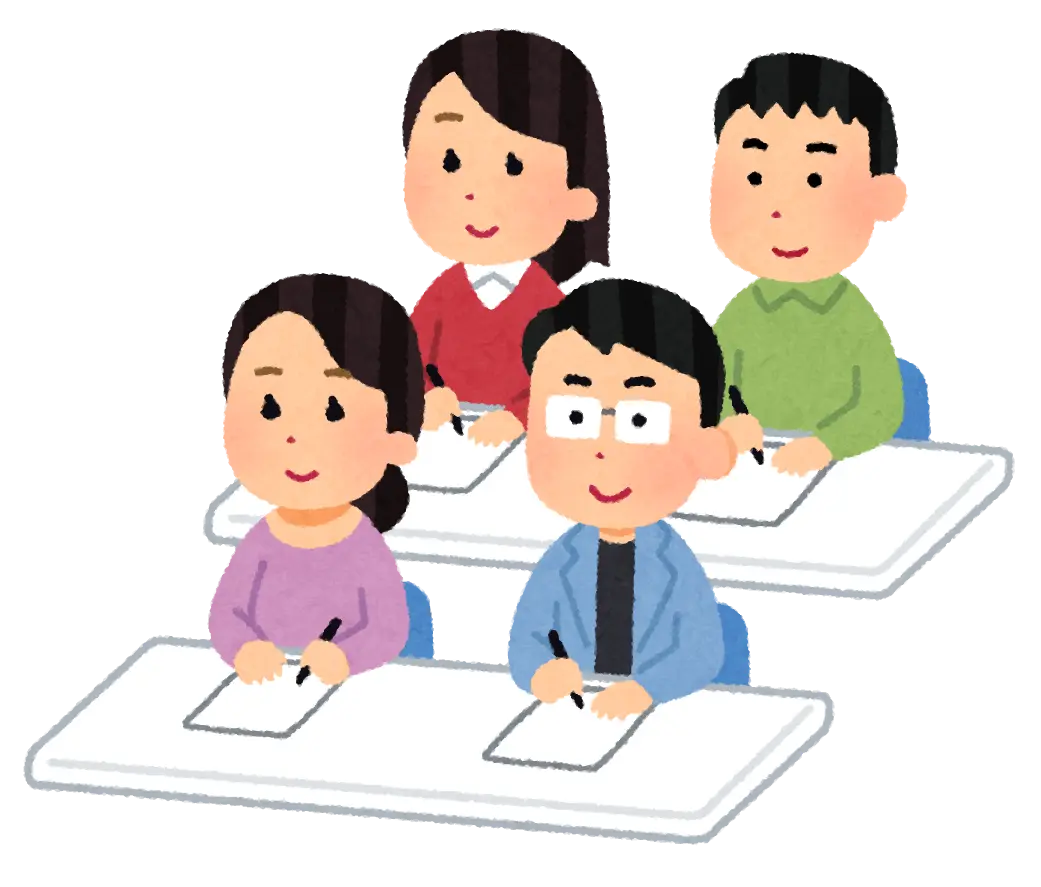 | |||
はっきり | はっきり | clearly | ♪ Play | 今日は山がはっきり見える。 | 今日[きょう]は 山[やま]がはっきり 見[み]える。 | You can see the mountains clearly today. | ♪ Play | 1,029 | 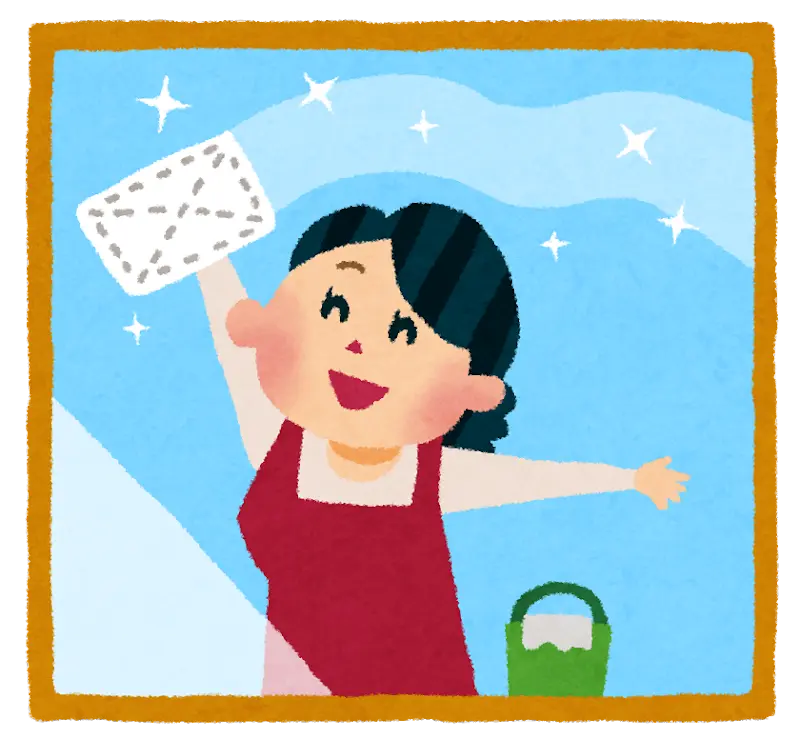 | |||
描く | かく | to draw | ♪ Play | パンダの絵を描きました。 | パンダの 絵[え]を描[か]きました。 | I drew a panda. | ♪ Play | Here ~ます overwrites the pitch accent of any given verb, shifting the drop to the ending ~ま\した. | 1,030 | 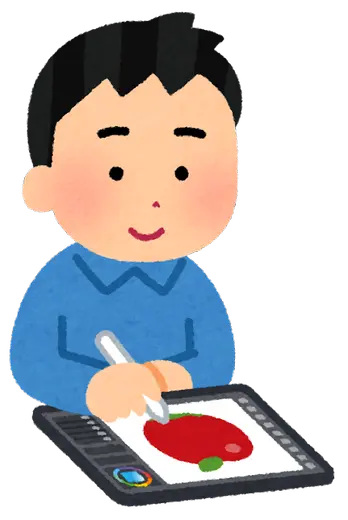 | ||
描く | えがく | to depict, to describe, to draw | ♪ Play | 彼は人物を描くのがうまいな。 | 彼[かれ]は 人[じん] 物[ぶつ]を描[えが]くのがうまいな。 | He is good at drawing people. | ♪ Play | Different reading of the word which can be used more generally (it is not limited to drawing). | 1,030 | 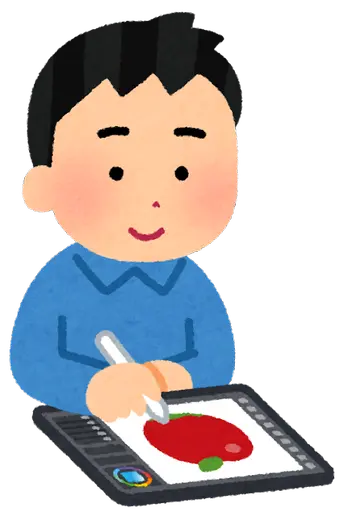 | ||
無視 | むし | ignoring, disregarding | ♪ Play | 彼の意見は無視されたよ。 | 彼[かれ]の 意[い] 見[けん]は無[む] 視[し]されたよ。 | His opinion was disregarded. | ♪ Play | 1,031 | 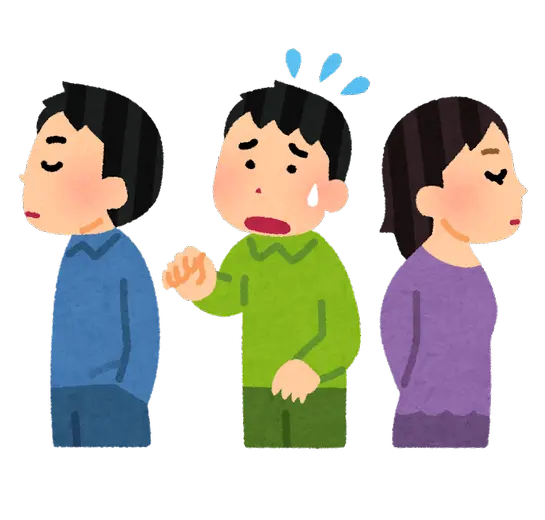 | |||
生徒 | せいと | pupil, student | ♪ Play | このクラスの生徒は30人です。 | このクラスの生[せい] 徒[と]は 30[さんじゅう] 人[にん]です。 | There are 30 students in this class. | ♪ Play | 1,032 | 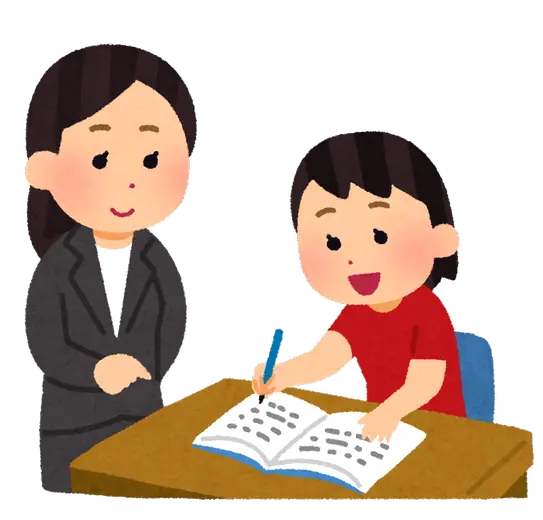 | |||
詳しい | くわしい | detailed | ♪ Play | もっと詳しく説明してください。 | もっと詳[くわ]しく 説[せつ] 明[めい]してください。 | Please explain in greater detail. | ♪ Play | 1,033 | 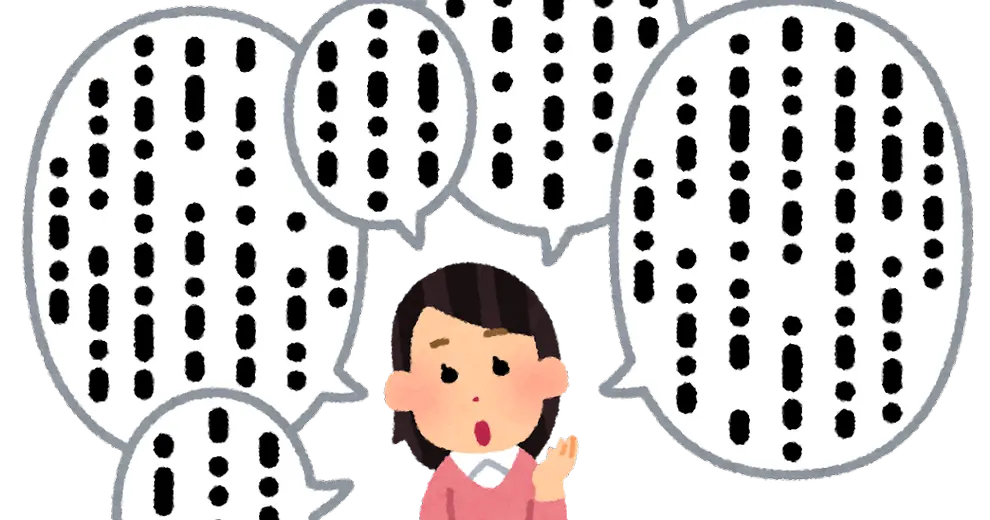 | |||
触る | さわる | to touch | ♪ Play | この絵に触らないでください。 | この 絵[え]に触[さわ]らないでください。 | Please do not touch this picture. | ♪ Play | 1,034 | 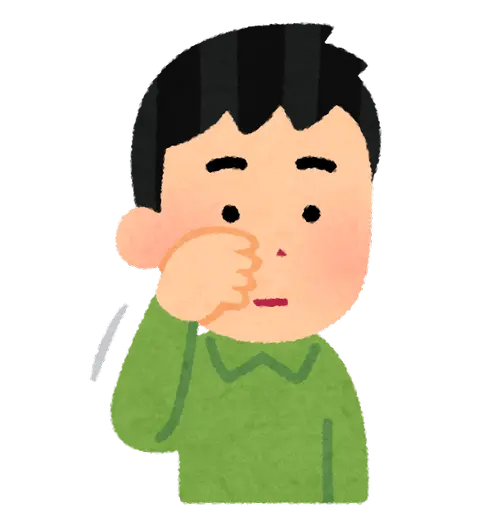 | |||
これまで | これまで | until now, until here | ♪ Play | これまでの私とは違うんです。 | これまでの 私[わたし]とは 違[ちが]うんです。 | I am different from the old me. | ♪ Play | 1,035 | 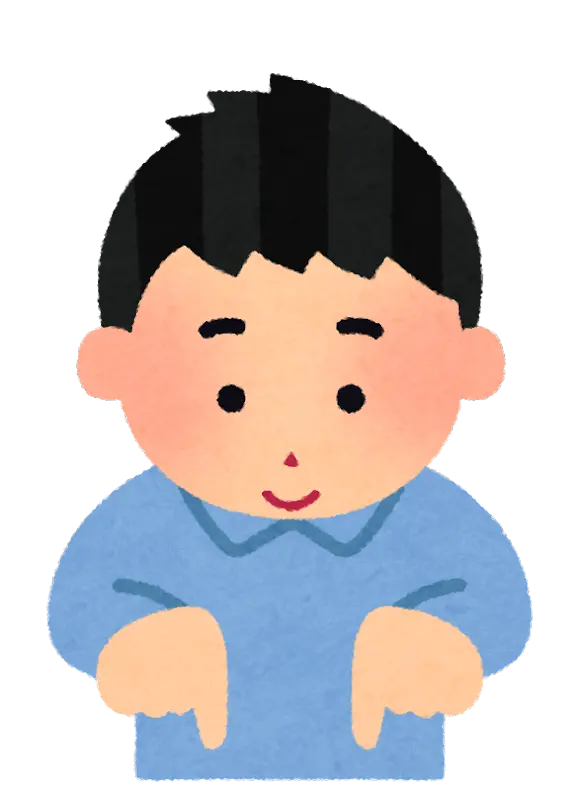 | |||
半分 | はんぶん | half | ♪ Play | トマトを半分に切ってください。 | トマトを半[はん] 分[ぶん]に 切[き]ってください。 | Please cut the tomato in half. | ♪ Play | 1,038 | 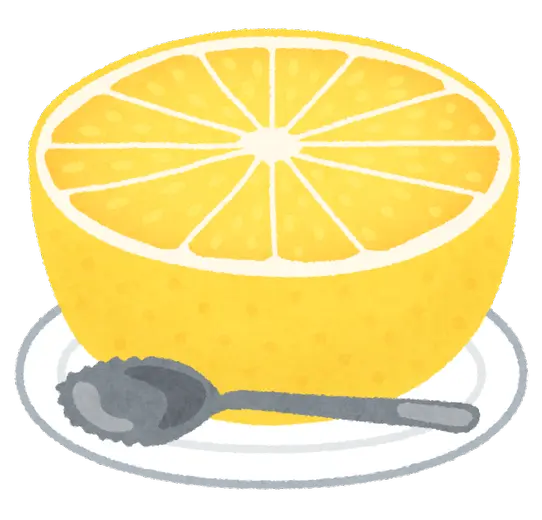 | |||
耐える | たえる | to withstand, to endure | ♪ Play | このビルは大地震に耐えられるでしょうか。 | このビルは 大[おお] 地[じ] 震[しん]に耐[た]えられるでしょうか。 | Would this building be able to withstand a large earthquake? | ♪ Play | 1,042 |  | |||
立場 | たちば | standpoint, position | ♪ Play | 彼女は自分の立場を分かっていない。 | 彼[かの] 女[じょ]は 自[じ] 分[ぶん]の立[たち] 場[ば]を 分[わ]かっていない。 | She doesn't understand her position. | ♪ Play | 1,044 | 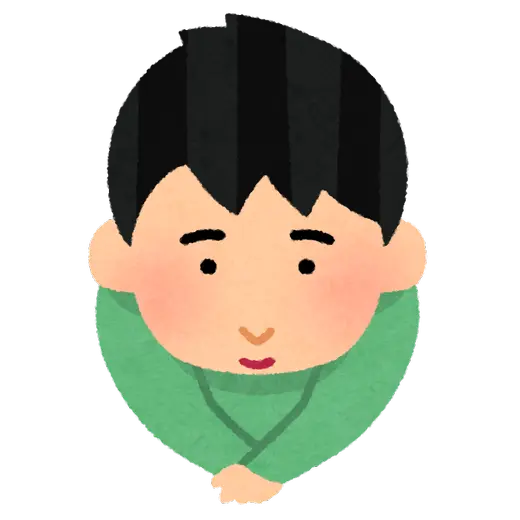 | |||
石 | いし | stone, small rock | ♪ Play | 私は石につまづいた。 | 私[わたし]は石[いし]につまづいた。 | I tripped on a stone. | ♪ Play | 1,045 | 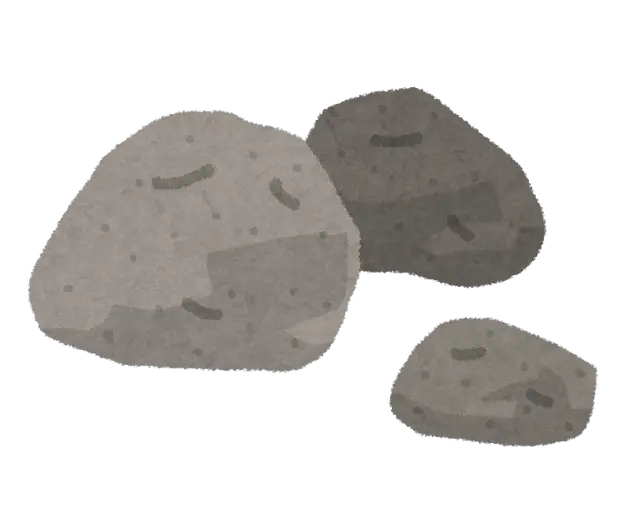 | |||
挨拶 | あいさつ | greeting | ♪ Play | いつも元気に挨拶しています。 | いつも 元[げん] 気[き]に挨[あい] 拶[さつ]しています。 | I always greet people enthusiastically. | ♪ Play | 1,047 | 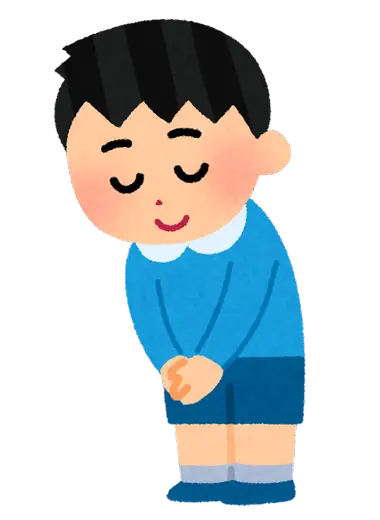 | |||
相談 | そうだん | consultation, advice | ♪ Play | 相談したいことがあります。 | 相[そう] 談[だん]したいことがあります。 | I'd like to get your advice on something. | ♪ Play | 1,050 | 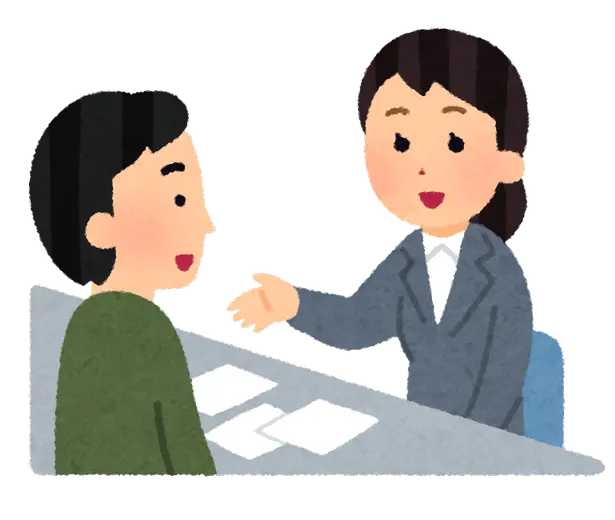 | |||
受け入れる | うけいれる | to accept, to accommodate | ♪ Play | 私は彼の意見を受け入れました。 | 私[わたし]は 彼[かれ]の 意[い] 見[けん]を受[う]け 入[い]れました。 | I accepted his opinion. | ♪ Play | 1,052 |  | |||
練習 | れんしゅう | practice, training | ♪ Play | 娘は今、バイオリンを練習しています。 | 娘[むすめ]は 今[いま]、バイオリンを練[れん] 習[しゅう]しています。 | My daughter is practicing the violin now. | ♪ Play | 1,055 | 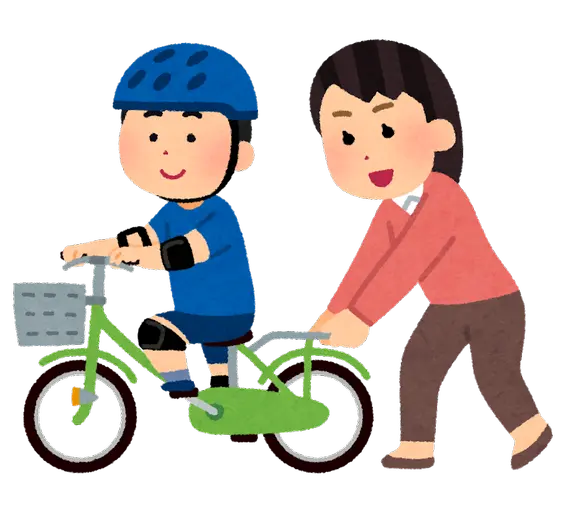 | |||
無駄 | むだ | wasteful, useless | ♪ Play | 無駄な買い物はしません。 | 無[む] 駄[だ]な 買[か]い 物[もの]はしません。 | I don't do wasteful shopping. | ♪ Play | 1,056 | 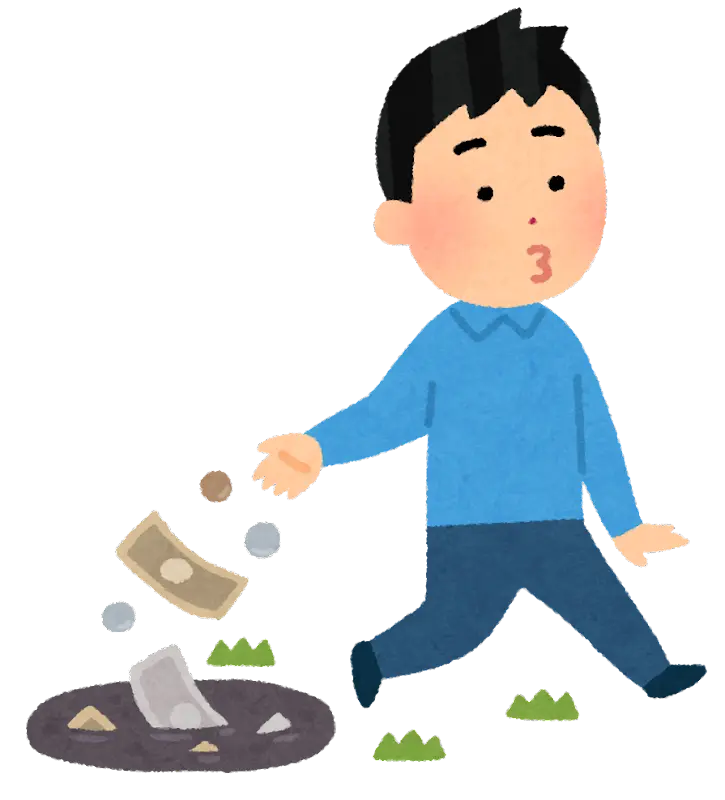 | |||
抱える | かかえる | to hold in one's arms | ♪ Play | 彼は大きな荷物を抱えているわ。 | 彼[かれ]は 大[おお]きな 荷[に] 物[もつ]を抱[かか]えているわ。 | He is carrying some large luggage. | ♪ Play | 1,057 | 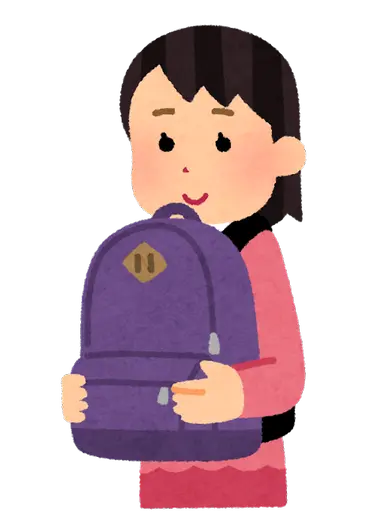 | |||
示す | しめす | to show, to indicate | ♪ Play | 彼女は良い反応を示したわ。 | 彼[かの] 女[じょ]は 良[よ]い 反[はん] 応[のう]を示[しめ]したわ。 | She showed a good reaction. | ♪ Play | 1,058 | 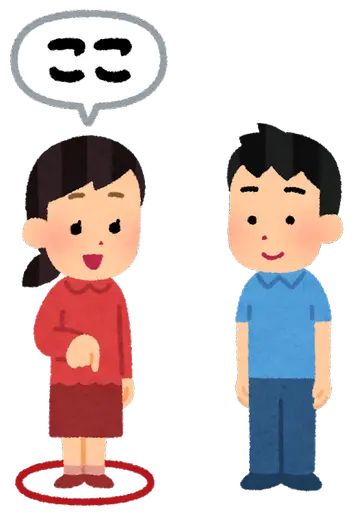 |