Kaishi 1.5k
| Word | Reading | Meaning | Word Audio | Sentence | Sentence Furigana | Sentence Meaning | Sentence Audio | Notes | Pitch Accent Notes | Frequency | Picture | Status |
|---|---|---|---|---|---|---|---|---|---|---|---|---|
生きる | いきる | to live, to exist | ♪ Play | 100歳まで生きたいです。 | 100 歳[さい]まで生[い]きたいです。 | I want to live to 100. | ♪ Play | 300 | 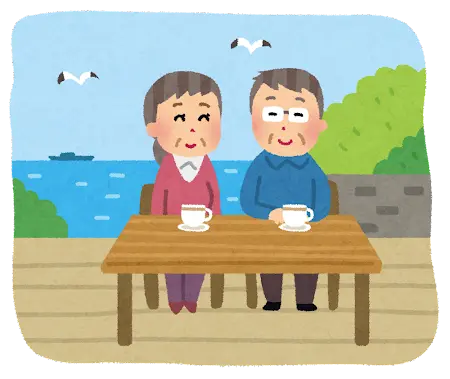 | |||
最初 | さいしょ | first, beginning | ♪ Play | 5ページの最初を見てください。 | 5[ご]ページの最[さい] 初[しょ]を 見[み]てください。 | Please look at the beginning of page 5. | ♪ Play | 302 |  | |||
最後 | さいご | last, final | ♪ Play | 今日が夏休み最後の日だ。 | 今日[きょう]が 夏[なつ] 休[やす]み最[さい] 後[ご]の 日[ひ]だ。 | Today's the last day of summer vacation. | ♪ Play | 303 | 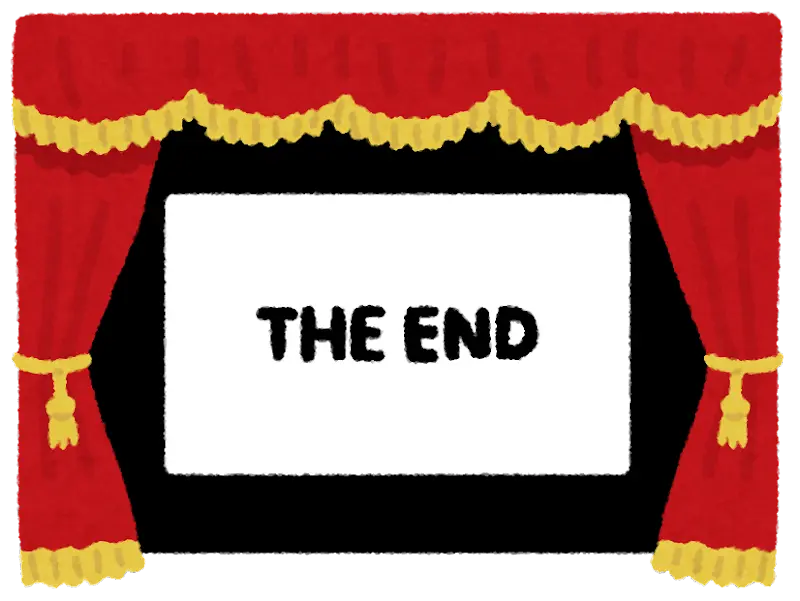 | |||
日 | ひ | day | ♪ Play | 休みの日に本を読みます。 | 休[やす]みの日[ひ]に 本[ほん]を 読[よ]みます。 | I read on free days. | ♪ Play | 304 |  | |||
間 | あいだ | interval (of time, space, etc.) | ♪ Play | 雲の間から月が出た。 | 雲[くも]の間[あいだ]から 月[つき]が 出[で]た。 | The moon came out from between the clouds. | ♪ Play | 308 |  | |||
間 | ま | interval, duration of time, pause | ♪ Play | 彼は少し間を置いてから返事した。 | 彼[かれ]は 少[すこ]し間[ま]を 置[お]いてから 返[へん] 事[じ]した。 | He responded after a short pause. | ♪ Play | 308 |  | |||
について | について | concerning, regarding | ♪ Play | 日本の経済について調べています。 | 日本[にほん]の 経[けい] 済[ざい]について 調[しら]べています。 | I am researching about the Japanese economy. | ♪ Play | 309 |  | |||
左 | ひだり | left | ♪ Play | そこを左に曲がってください。 | そこを左[ひだり]に 曲[ま]がってください。 | Please turn left there. | ♪ Play | 1,783 |  | |||
右 | みぎ | right | ♪ Play | 右のポケットにハンカチが入っています。 | 右[みぎ]のポケットにハンカチが 入[はい]っています。 | There's a handkerchief in my right pocket. | ♪ Play | 1,489 |  | |||
感じ | かんじ | feeling, impression | ♪ Play | あの子は感じの良い子です。 | あの 子[こ]は感[かん]じの 良[い]い 子[こ]です。 | That child seems like a good child. | ♪ Play | 310 | 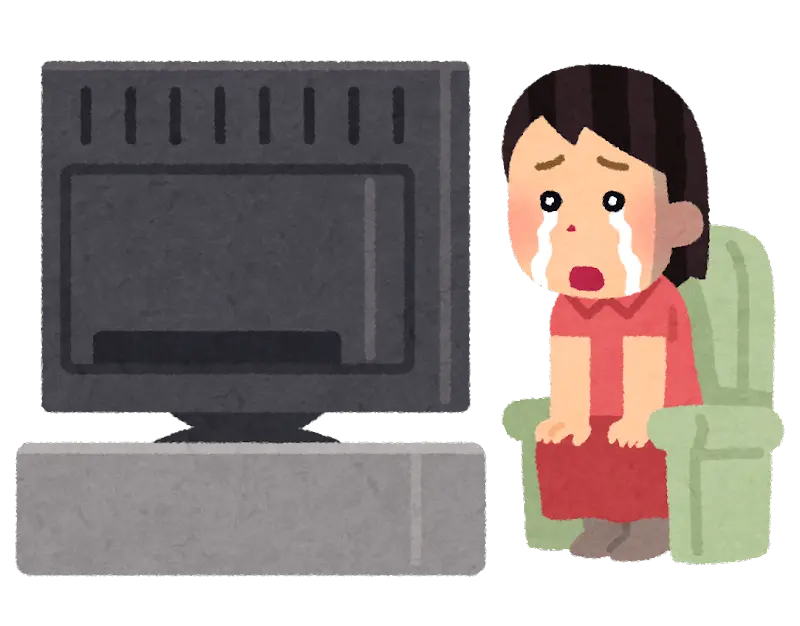 | |||
胸 | むね | chest | ♪ Play | 胸に少し痛みがあります。 | 胸[むね]に 少[すこ]し 痛[いた]みがあります。 | I have a slight pain in my chest. | ♪ Play | 311 |  | |||
表情 | ひょうじょう | expression, look | ♪ Play | 彼はとても表情が豊かですね。 | 彼[かれ]はとても表[ひょう] 情[じょう]が 豊[ゆた]かですね。 | He's very expressive. | ♪ Play | 312 | 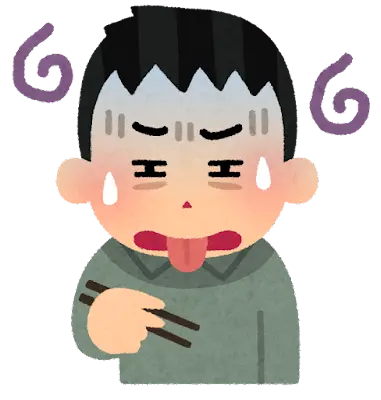 | |||
多い | おおい | a lot | ♪ Play | 6月は雨が多いです。 | 6[ろく] 月[がつ]は 雨[あめ]が多[おお]いです。 | It rains a lot in June. | ♪ Play | 314 |  | |||
初めて | はじめて | for the first time | ♪ Play | 東京に来るのは初めてです。 | 東[とう] 京[きょう]に 来[く]るのは初[はじ]めてです。 | It's the first time I've been to Tokyo. | ♪ Play | 316 | 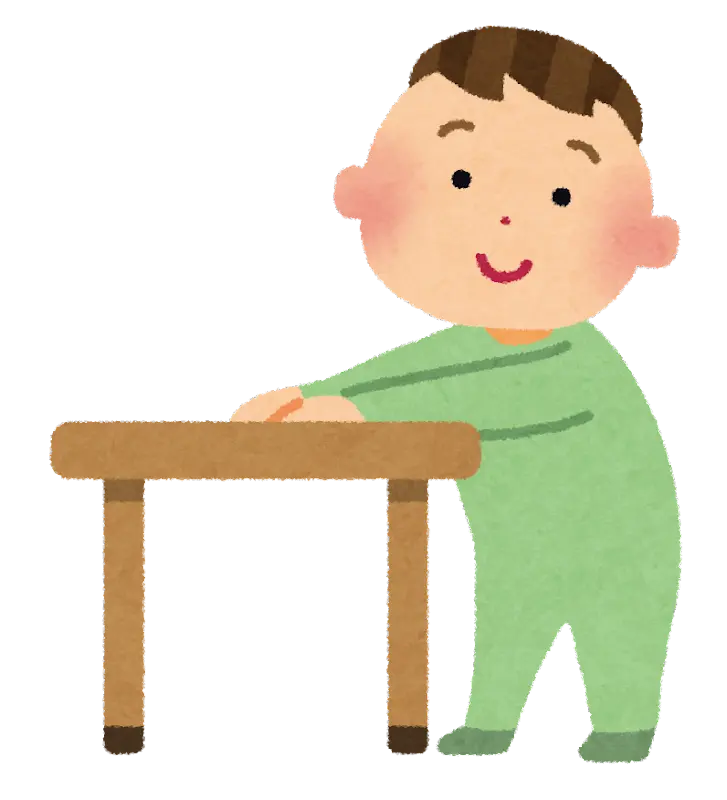 | |||
無理 | むり | unreasonable, impossible | ♪ Play | 毎日アルバイトをするのは無理です。 | 毎[まい] 日[にち]アルバイトをするのは無[む] 理[り]です。 | It's impossible to work part-time everyday. | ♪ Play | 317 | 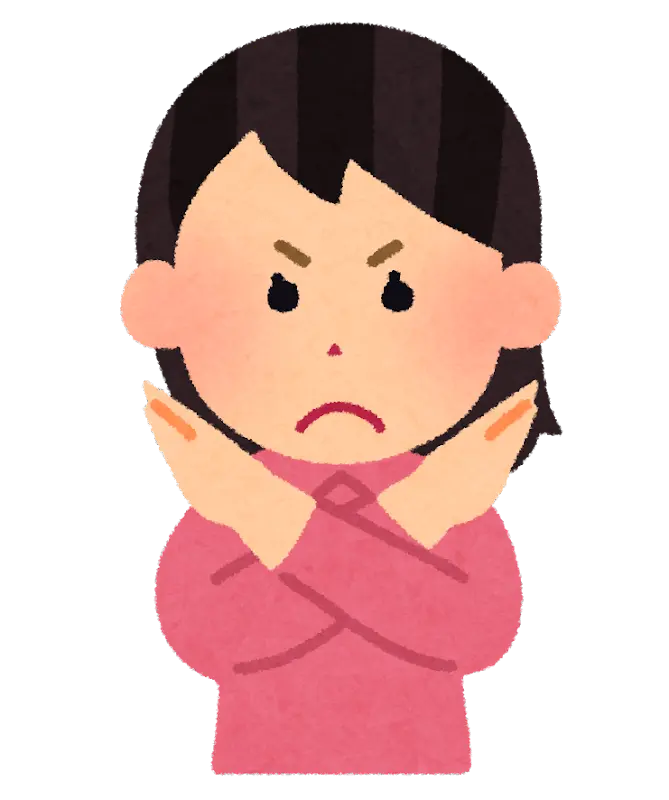 | |||
欲しい | ほしい | wanting, wishing for | ♪ Play | 小さいパソコンが欲しいです。 | 小[ちい]さいパソコンが欲[ほ]しいです。 | I want a small computer. | ♪ Play | 320 | 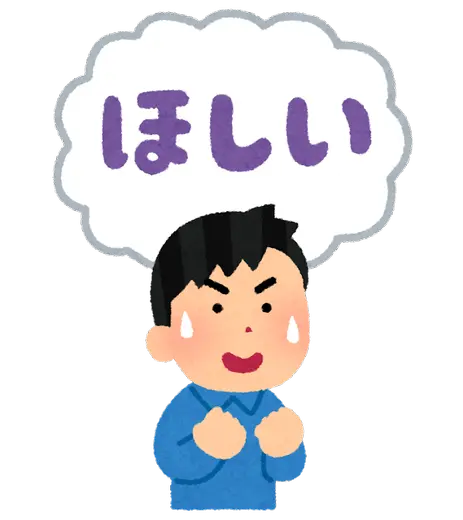 | |||
ごめん | ごめん | sorry | ♪ Play | ごめん。ビールはない。 | ごめん。ビールはない。 | I am sorry. There is no beer. | ♪ Play | We have ごめ\ん by itself but ごめん ̄ when something is attached, for instance ごめんね ̄. In this example, it | 323 | 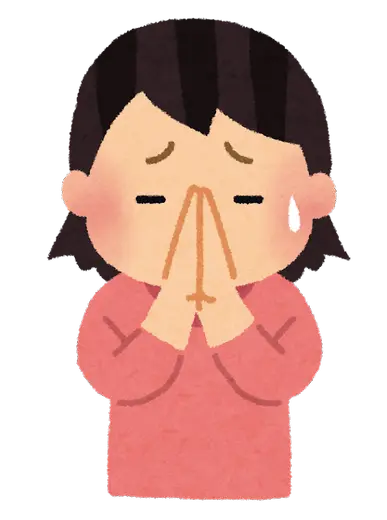 | ||
覚える | おぼえる | to memorize | ♪ Play | 毎日、漢字を覚えます。 | 毎[まい] 日[にち]、 漢[かん] 字[じ]を覚[おぼ]えます。 | I memorize kanji every day. | ♪ Play | 324 |  | |||
別に | べつに | (not) particularly | ♪ Play | 別に好きじゃありません。 | 別[べつ]に 好[す]きじゃありません。 | I don't particularly like it. | ♪ Play | 325 | 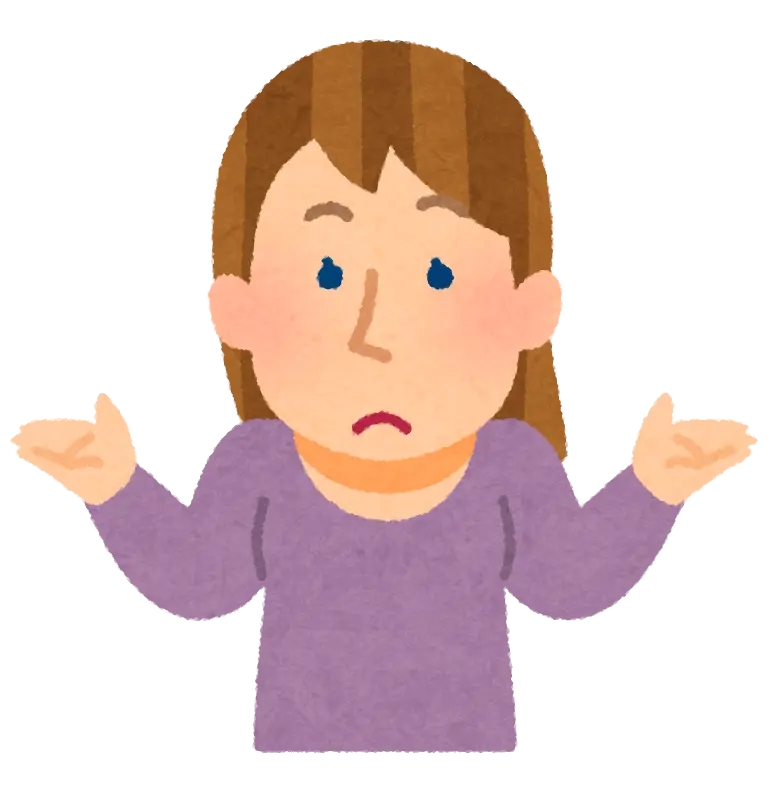 | |||
思い出す | おもいだす | to recollect, to recall | ♪ Play | 大切な用事を思い出しました。 | 大[たい] 切[せつ]な 用[よう] 事[じ]を思[おも]い 出[だ]しました。 | I just remembered an important thing I have to do. | ♪ Play | 328 | 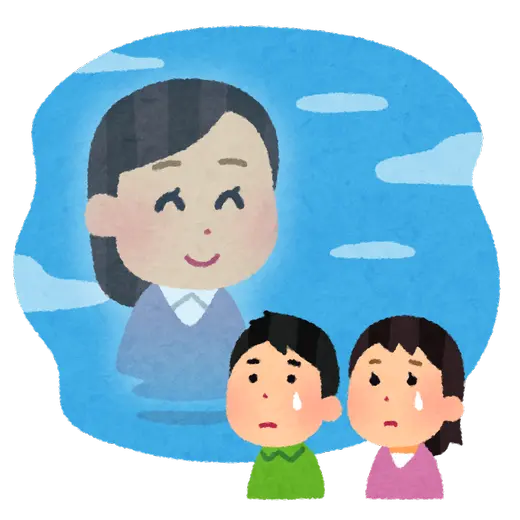 | |||
入れる | いれる | to put in | ♪ Play | 彼はかばんに手帳を入れた。 | 彼[かれ]はかばんに 手[て] 帳[ちょう]を入[い]れた。 | He put the notebook in his bag. | ♪ Play | 331 | 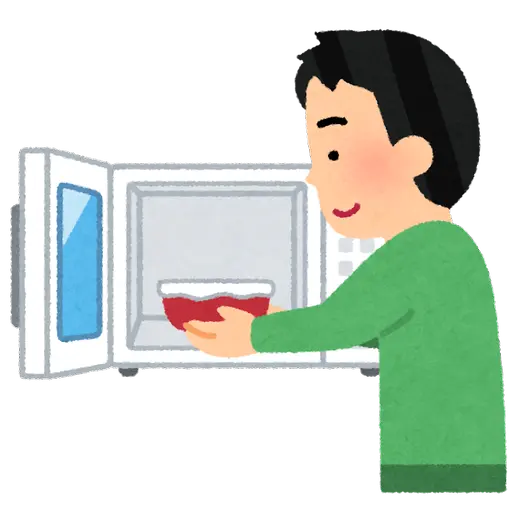 | |||
開く | あく | to open | ♪ Play | 次の駅で右のドアが開きます。 | 次[つぎ]の 駅[えき]で 右[みぎ]のドアが開[あ]きます。 | Doors on the right side will open at the next stop. | ♪ Play | 333 | 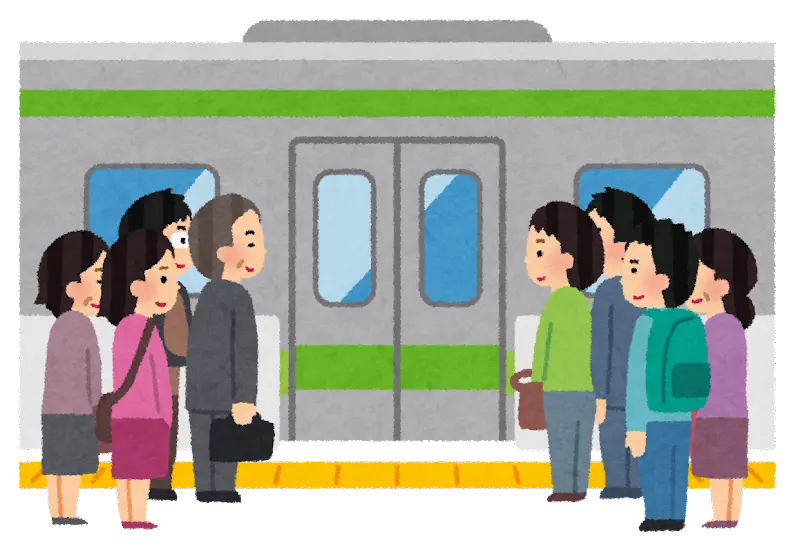 | |||
開く | ひらく | to open | ♪ Play | 32ページを開いてください。 | 32[さんじゅうに]ページを開[ひら]いてください。 | Please open to page 32. | ♪ Play | Open in the sense of spreading, or unfolding, different from 開く read あく. | 333 |  | ||
残る | のこる | to remain, to be left over | ♪ Play | 料理がたくさん残りました。 | 料[りょう] 理[り]がたくさん残[のこ]りました。 | A lot of food was left over. | ♪ Play | 334 | 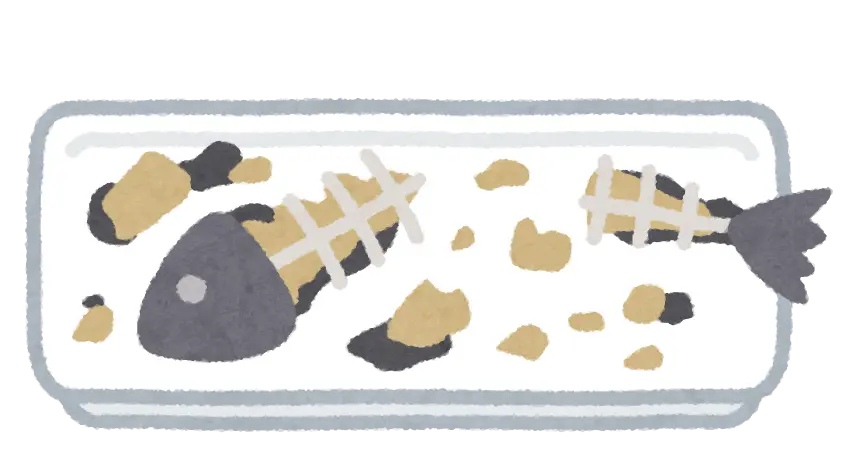 | |||
答える | こたえる | to answer | ♪ Play | 先生の質問に答えます。 | 先[せん] 生[せい]の 質[しつ] 問[もん]に答[こた]えます。 | I will answer the teacher's question. | ♪ Play | 335 | 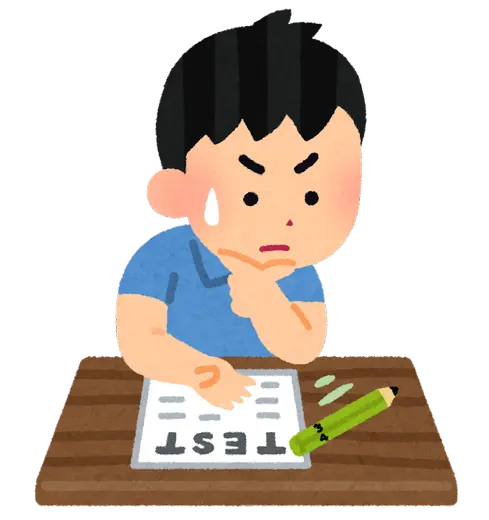 | |||
怖い | こわい | fearful, being afraid, fearsome | ♪ Play | 私は犬が怖いです。 | 私[わたし]は 犬[いぬ]が怖[こわ]いです。 | I'm scared of dogs. | ♪ Play | 337 | 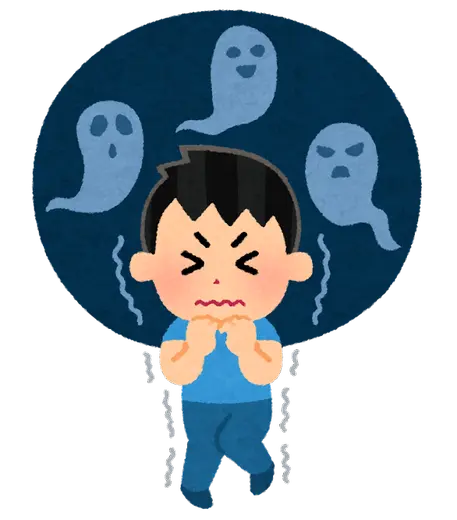 | |||
年 | ねん | counter for years | ♪ Play | 韓国に5年いました。 | 韓[かん] 国[こく]に 5[ご]年[ねん]いました。 | I was in South Korea for five years. | ♪ Play | As a counter, it is almost always \年 although there are a few exceptions: 三年 ̄, 四年 ̄, 五年 ̄. | 340 | 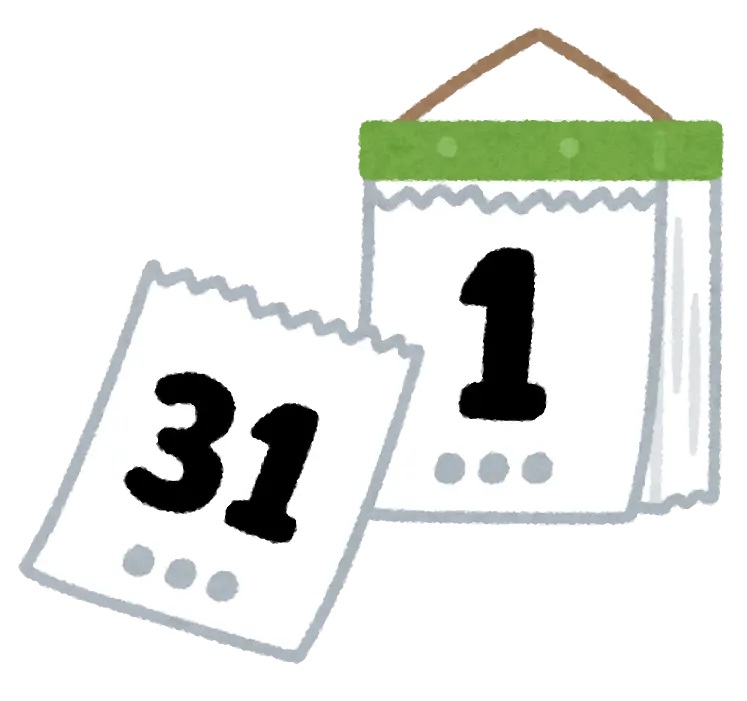 | ||
年 | とし | year | ♪ Play | 新しい年が始まりました。 | 新[あたら]しい年[とし]が 始[はじ]まりました。 | A new year has started. | ♪ Play | 340 |  | |||
取る | とる | to take, to get | ♪ Play | テストでいい点を取った。 | テストでいい 点[てん]を取[と]った。 | I got a good grade on the test. | ♪ Play | 341 | 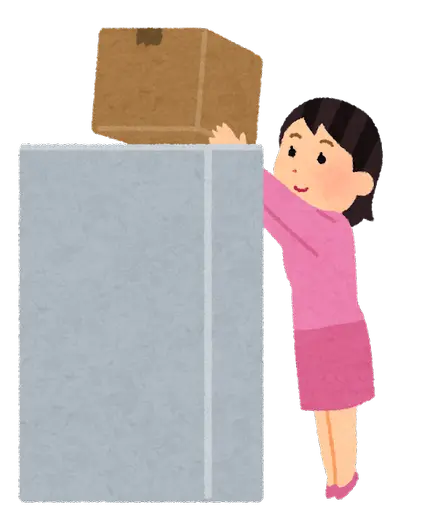 | |||
全て | すべて | all, entirely | ♪ Play | 彼に全てのことを伝えた。 | 彼[かれ]に全[すべ]てのことを 伝[つた]えた。 | I told him everything. | ♪ Play | 342 |  | |||
助ける | たすける | to help, to save | ♪ Play | 彼女は病気の犬を助けた。 | 彼[かの] 女[じょ]は 病[びょう] 気[き]の 犬[いぬ]を助[たす]けた。 | She helped a sick dog. | ♪ Play | 344 | 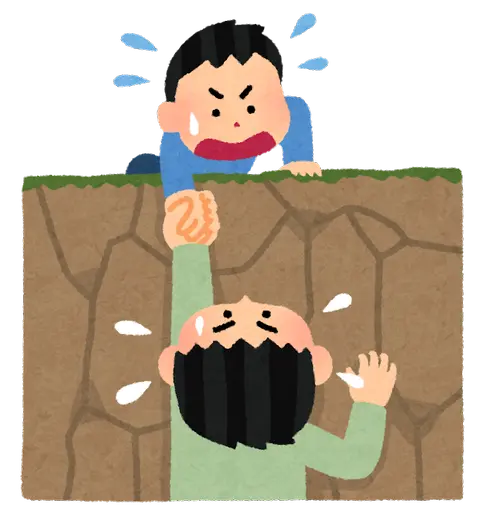 | |||
状況 | じょうきょう | state of affairs, conditions | ♪ Play | この状況では出発は難しいです。 | この状[じょう] 況[きょう]では 出[しゅっ] 発[ぱつ]は 難[むずか]しいです。 | It will be difficult to depart in these conditions. | ♪ Play | 346 |  | |||
確認 | かくにん | confirmation | ♪ Play | もう一度、予約を確認した。 | もう 一[いち] 度[ど]、 予[よ] 約[やく]を確[かく] 認[にん]した。 | I confirmed my reservation one more time. | ♪ Play | 350 |  | |||
消える | きえる | to go out, to disappear | ♪ Play | 電気が消えているので、田中さんは部屋にいないでしょう。 | 電[でん] 気[き]が消[き]えているので、 田[た] 中[なか]さんは 部屋[へや]にいないでしょう。 | The light is off, so Tanaka-san must not be in this room. | ♪ Play | 357 |  | |||
長い | ながい | long | ♪ Play | 彼女の髪はとても長い。 | 彼[かの] 女[じょ]の 髪[かみ]はとても長[なが]い。 | Her hair is very long. | ♪ Play | 362 |  | |||
驚く | おどろく | to be surprised, to be astonished | ♪ Play | 夜中に道で大きな声がして、驚きました。 | 夜[よ] 中[なか]に 道[みち]で 大[おお]きな 声[こえ]がして、驚[おどろ]きました。 | I was surprised by a loud voice on the street in the middle of the night. | ♪ Play | 363 |  | |||
腕 | うで | arm | ♪ Play | 腕を回してください。 | 腕[うで]を 回[まわ]してください。 | Please rotate your arm. | ♪ Play | 366 | 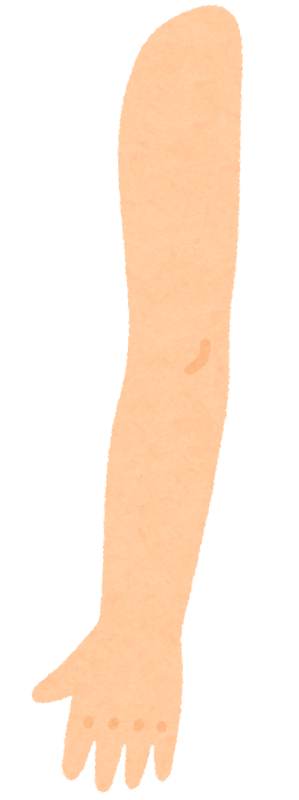 | |||
以外 | いがい | except for | ♪ Play | 私は雨の日以外は自転車で学校に行く。 | 私[わたし]は 雨[あめ]の 日[ひ]以[い] 外[がい]は 自[じ] 転[てん] 車[しゃ]で 学[がっ] 校[こう]に 行[い]く。 | I go to school by bicycle except on rainy days. | ♪ Play | 367 |  | |||
困る | こまる | to be at a loss, to be troubled | ♪ Play | ケータイをなくして困っています。 | ケータイをなくして困[こま]っています。 | I'm at a loss because I lost my cell phone. | ♪ Play | 369 | 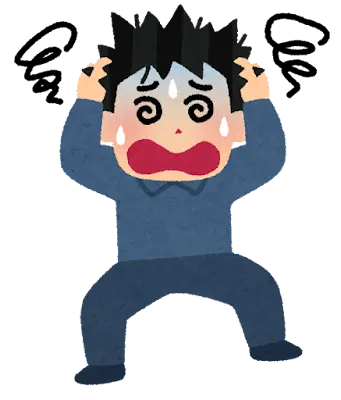 | |||
離れる | はなれる | to be separated, to be apart | ♪ Play | 実家を4年間離れていました。 | 実[じっ] 家[か]を 4[よ] 年[ねん] 間[かん]離[はな]れていました。 | I was away from my parents' house for 4 years. | ♪ Play | 376 |  | |||
気 | き | spirit, temperament | ♪ Play | 旅行に行く気があるか彼女に聞かれました。 | 旅[りょ] 行[こう]に 行[い]く気[き]があるか 彼[かの] 女[じょ]に 聞[き]かれました。 | She asked if I was willing to travel. | ♪ Play | Slightly idiomatic usage. | 377 |  | ||
書く | かく | to write | ♪ Play | 彼に手紙を書きました。 | 彼[かれ]に 手[て] 紙[がみ]を書[か]きました。 | I wrote him a letter. | ♪ Play | 378 |  | |||
光 | ひかり | light, flash | ♪ Play | この部屋は光がたくさん入って、いいね。 | この 部屋[へや]は光[ひかり]がたくさん 入[はい]って、いいね。 | It’s nice how much light comes into this room, isn’t it? | ♪ Play | 380 |  | |||
走る | はしる | to run | ♪ Play | 彼は毎晩3キロ走っています。 | 彼[かれ]は 毎[まい] 晩[ばん] 3[さん]キロ走[はし]っています。 | Every night he runs three kilometers. | ♪ Play | 381 |  | |||
戦う | たたかう | to wage war, to fight | ♪ Play | 彼は最後まで戦ったよ。 | 彼[かれ]は 最[さい] 後[ご]まで戦[たたか]ったよ。 | He fought to the very end. | ♪ Play | 385 |  | |||
余り | あまり | remainder, leftover | ♪ Play | 余りは次回使いましょう。 | 余[あま]りは 次[じ] 回[かい] 使[つか]いましょう。 | Let's use the left-over portion next time. | ♪ Play | あ\まり as a modified adverb and あまり\ as an unmodified adverb or noun like in this sentence. | 388 | 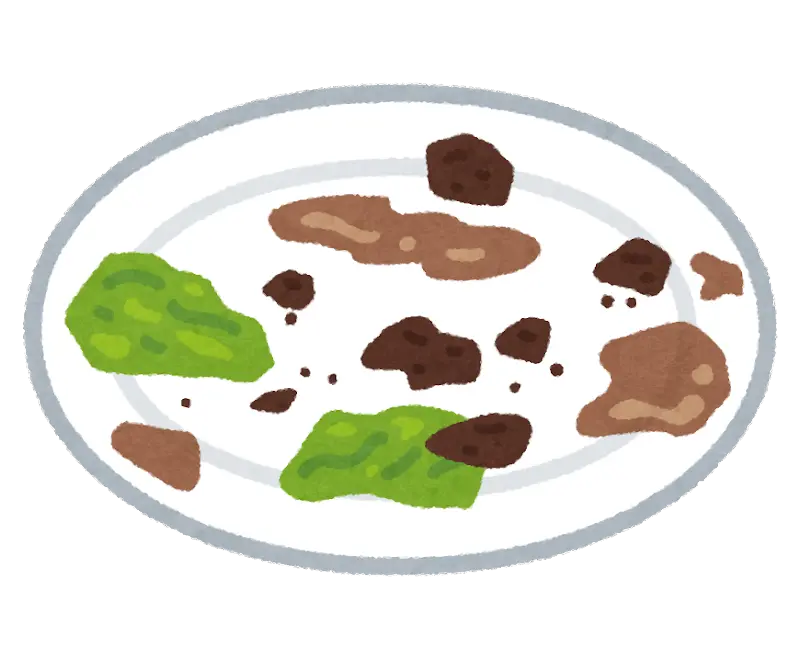 | ||
全部 | ぜんぶ | all, everything | ♪ Play | お弁当を全部食べました。 | お 弁[べん] 当[とう]を全[ぜん] 部[ぶ] 食[た]べました。 | I ate all that was in the lunchbox. | ♪ Play | 390 | 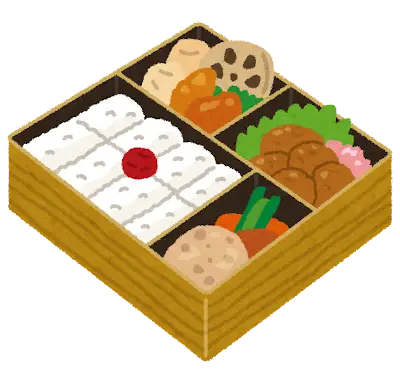 | |||
瞬間 | しゅんかん | instant, moment | ♪ Play | その瞬間、猫が跳び出しました。 | その瞬[しゅん] 間[かん]、 猫[ねこ]が 跳[と]び 出[だ]しました。 | At that instant, the cat ran out. | ♪ Play | 391 | 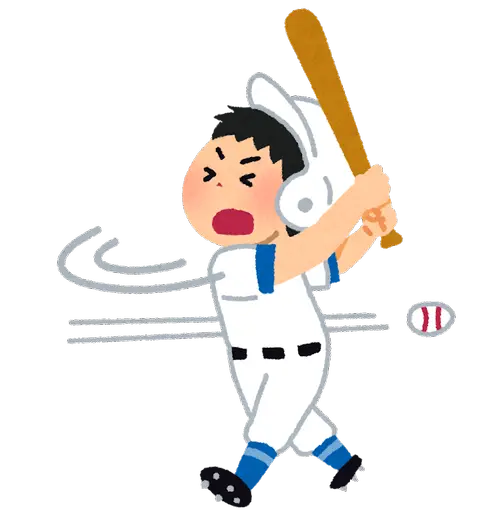 | |||
説明 | せつめい | explanation | ♪ Play | この文法の説明は良く分かりません。 | この 文[ぶん] 法[ぽう]の説[せつ] 明[めい]は 良[よ]く 分[わ]かりません。 | I don't really understand the explanation of this grammar. | ♪ Play | 395 | 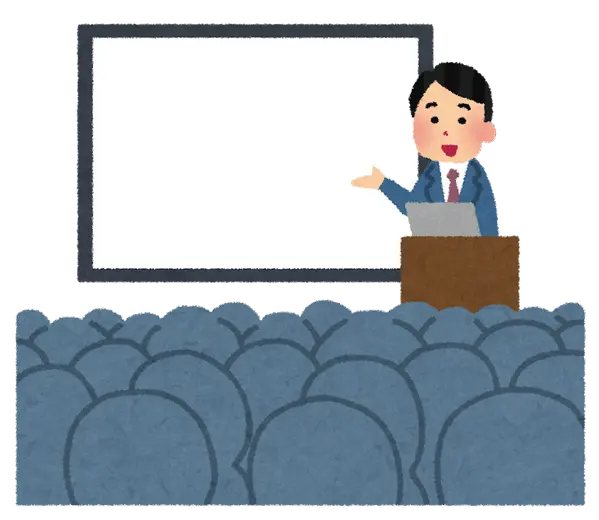 | |||
決める | きめる | to decide | ♪ Play | 会議の時間を決めましょう。 | 会[かい] 議[ぎ]の 時[じ] 間[かん]を決[き]めましょう。 | Let's decide the time of the meeting. | ♪ Play | 403 |  |